I distinguish contact paper and wallpaper by their construction, application, and intended lifespan. Contact paper is a thin, self-adhesive vinyl designed for quick, temporary updates to furniture and smooth surfaces. Wallpaper, whether traditional pasted or modern peel-and-stick varieties, uses heavier, more durable substrates engineered for long-term wall coverage that withstands environmental stressors like moisture and heat. Contact paper peels and sticks without paste, allows repositioning, and lasts months. Wallpaper requires precise installation, offers 10–15 years of service, and resists wear in high-traffic areas. Deeper comparisons of materials, costs, and project suitability follow below.
Contact Paper vs. Wallpaper: Definitions, Materials, and Key Distinctions
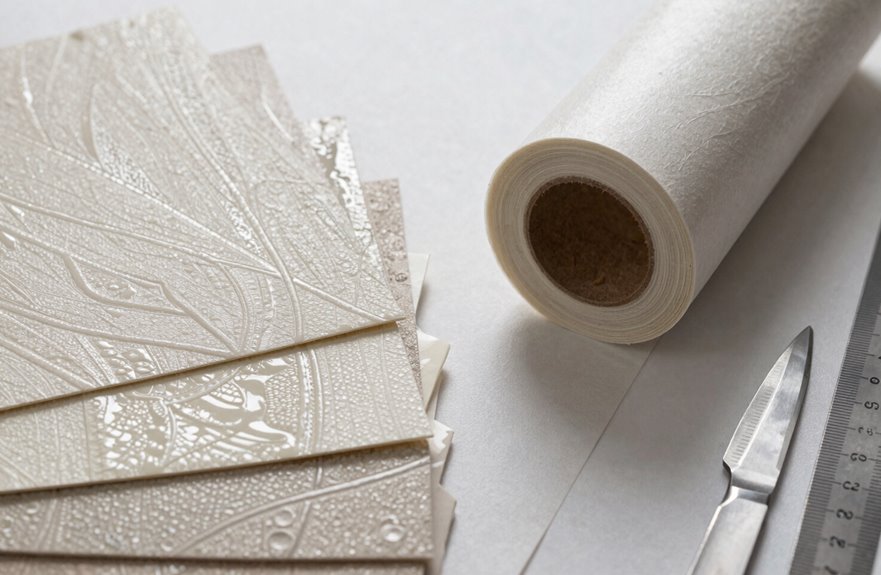
Contact paper is a self-adhesive, peel-and-stick vinyl covering with an adhesive backing used for quick, non-permanent updates to shelves, countertops, and furniture. Wallpaper is a decorative wall covering made from paper, fabric, or vinyl that may be paste-applied or pre-pasted.
Contact paper offers quick peel-and-stick updates for furniture, while wallpaper brings decorative durability to walls with paste or pre-pasted options.
Key Distinctions
- Application method: Contact paper requires no paste and simply peels and sticks. Traditional wallpaper demands paste application and precise seam alignment.
- Durability: Wallpaper withstands long-term wear on walls. Contact paper suits lighter-duty surfaces.
- Removal: Contact paper lifts easily with minimal residue. Wallpaper removal varies by type.
Peel-and-stick wallpaper offers self-adhesive convenience with wallpaper-grade durability for wall installations, combining benefits of both categories.

【SIZE&MATERIAL】17.3In X118.In=14.16sq.ft.Floral wallpaper,upgrading and thickening. Adopt vinyl and the latest removable glue,wallpaper sticks to any smooth, flat ,clean surface,No residue after removal.

Black Wallpaper--Embossing Process- It can effectively reduce the generation of bubbles. The solid color gives the room a more advanced texture, and enhance the ambiance of any room with the stylish and understated matt luxury black finish. This dark textured walls sticker papers complements both modern and traditional decor styles elevates any room instantly

MOSAIC CHECKERED WALLPAPER-Size:17.7” ×78.8” (9.7 Square Feet / Roll). Material: Vinyl / PVC Black and White peel and stick wallpaper
Material Differences: Vinyl Flexibility vs. Paper, Fabric, and Vinyl Ranges
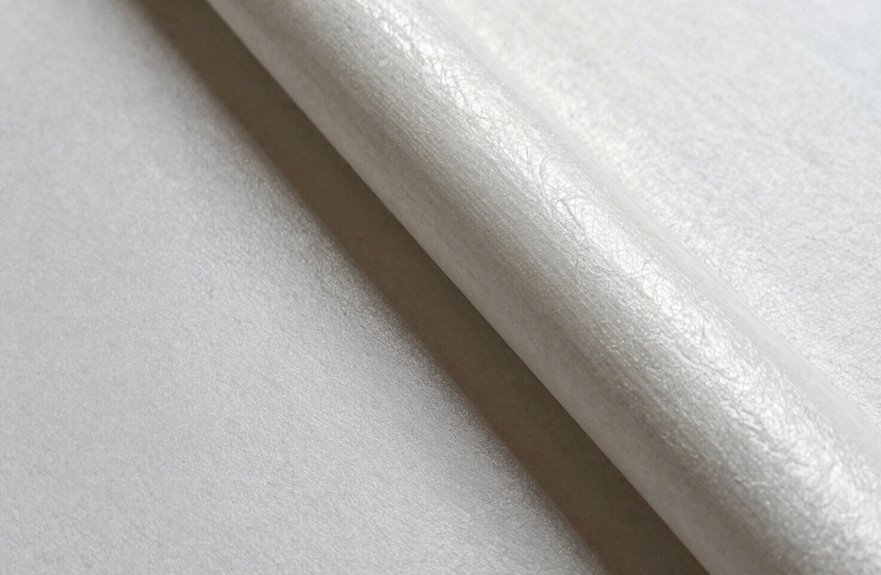
Contact paper is almost always a thin vinyl layer with a self-adhesive backing that prioritizes easy repositioning over longevity. Wallpaper offers a broader material spectrum, which spans from traditional paper and fabric to heavy-duty vinyl and eco-friendly alternatives like bamboo, each offering distinct textures and durability levels. Understanding these compositional differences helps you match the right product to your specific wall surface and environmental demands.

Fashion appearance: Simple and classic white color, coupled with the texture design of the surface, makes it more unique and simple, elegant, versatile and minimalist

【PREMIUM MATERIAL】This Blue Wood Contact Paper Made of high-grade Vinly Film with glue, free of heavy metals, waterproof and oil-proof Contact Paper,durable and easy to clean Wallpaper, high quality printed pattern looks like real wood grain

[Easy to Handle and to Install] One of the best things about the contact paper is that almost anyone can install it or attach it. Choose a table, a piece of old furniture or use it even as wallpaper. The paper is self-adhesive and with 2–3 moves its ready. Choose the size you want, cut it, and then stick it on the specific object
Contact Paper Composition
Contact paper relies on vinyl as its foundation, giving a material that’s thin, pliable, and ready to stick. This vinyl construction limits texture variety, since the working surface consists of printed patterns rather than woven or embossed materials.
Material Characteristics
- Vinyl base provides flexibility and self-adhesive convenience
- Printed patterns substitute for actual tactile variation
- No fabric, grasscloth, or natural fiber options exist
Performance Factors
The vinyl composition delivers water resistance and easy cleaning. Breathability is reduced compared to wallpaper alternatives. Durability depends entirely on vinyl thickness and adhesive quality.
Application Considerations
Contact paper works best for quick, temporary coverage on smooth surfaces. Rough or porous substrates present adhesion challenges and allow imperfections to show through the thin vinyl layer.
Wallpaper Material Variety
Wallpaper opens up a world of material choices that contact paper simply can’t match. Understanding what sets wallpaper apart is essential when planning your space.
Material Ranges
Wallpaper offers vinyl, fabric, paper, and eco-friendly options like bamboo. Contact paper stays limited to thin, self-adhesive vinyl sheets. This distinction matters for your project’s longevity and appearance.
Vinyl Wallpaper Advantages
Vinyl wallpapers provide moisture resistance and durability that contact paper cannot sustain long-term. You gain washable surfaces suited for kitchens and bathrooms.
Textural Possibilities
The material variety in wallpaper enables embossed patterns and fabric textures unavailable in contact paper. You access premium finishes that elevate a room’s character.
Application Note
Peel-and-stick wallpaper includes self-adhesive backing but remains distinct from contact paper in thickness, adhesion quality, and intended permanence.
Where to Use Each: Quick Projects vs. Permanent Wall Coverage
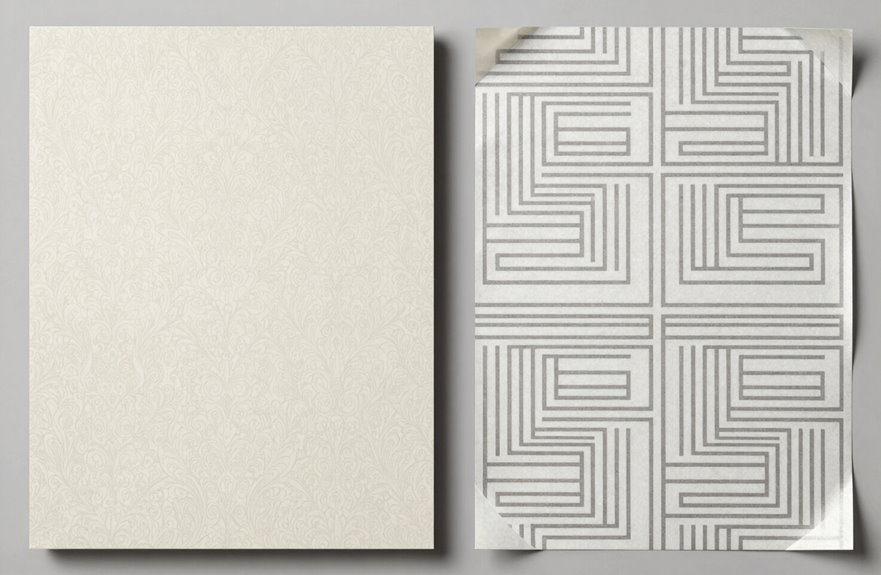
I use contact paper when I need fast, temporary fixes: lining kitchen shelves, covering a worn desk surface, or adding pattern to drawer interiors without commitment. Wallpaper, on the other hand, serves my permanent coverage needs for entire accent walls, bedroom installations, or spaces where I want durable, long-lasting decoration. The distinction matters because it determines whether a material will withstand the project’s expected wear patterns and match how long you intend the finish to last.

[ECO-CONSCIOUS LIVING] - We believe green is a beautiful foundation for any home. Crafted from renewable, plant-based materials and made through recyclable, eco-friendly processes, this green wallpaper brings a fresh, nature-inspired feel to your space. Free from harmful additives, it helps keep indoor air cleaner and healthier for everyday living. More than just decoration, it creates a calm, protective backdrop—perfect for supporting a more comfortable, wellness-focused home

Glossy Marble Wallpaper: Colors are white and gray with a hint of brown due to lighting. Size is 11.8 inches X 78.7 inches. Before purchasing, be sure to measure your own size. This is our minimum size, when purchasing, please confirm if this size meets your needs and we have more large sizes for you to choose from. Material is PVC, self adhesive, no additional glue required. Material upgraded, thickened and wear resistant, realistic marble effect

Wood contact paper 【Material and size】: Wood wallpaper, 17.7×118 inch(45 cm×300 cm)/roll. Covering 14.5 square feet. Upgraded and thickened vinyl wallpaper, waterproof wallpaper, easy to clean
Contact Paper Projects
Several practical applications distinguish contact paper as a tool for rapid surface transformations rather than enduring wall treatments. Unlike wallpaper, contact paper excels in quick, semi-permanent updates on shelves, countertops, cabinets, and furniture. It suits renters seeking damage-free customization or anyone testing a new aesthetic before committing.
Key Applications
- Shelving: Line cabinet interiors or bookcases for instant color.
- Furniture: Cover drawer fronts or tabletops without tools.
- Temporary walls: Apply sparingly in low-traffic, dry areas.
Contact paper installs without water or paste. Peel, position, and smooth. Misalignment allows immediate reapplication. Its thin vinyl construction removes cleanly, though heat and moisture cause peeling. Economical and fast, it sacrifices texture and design variety found in wallpaper. For small surfaces and rapid styling, contact paper delivers results. For walls, traditional wallpaper or paint remain better options.
Wallpaper Applications
Surface selection determines whether you’ll reach for contact paper or wallpaper. I choose contact paper for quick, non-permanent updates like lining shelves, covering countertops, and re-facing furniture. I reserve wallpaper for longer-term wall coverage in residential or commercial spaces.
When I need temporary or renter-friendly solutions, contact paper wins with its easy removal and no-water application. For durable, lasting decorations, I select wallpaper instead.
Consider these applications:
- Apply contact paper to smooth surfaces for small-scale, semi-permanent decor projects
- Use removable wallpaper for semi-permanent wall updates with simpler installation
- Install traditional wallpaper with paste for large-area transformations requiring precision
- Select vinyl wallpaper for high-traffic or moisture-prone walls where contact paper fails
Contact paper lacks the durability needed in demanding environments. Wallpaper provides superior longevity for projects requiring lasting results.
Installation Methods: Peel-and-Stick vs. Pasted Application
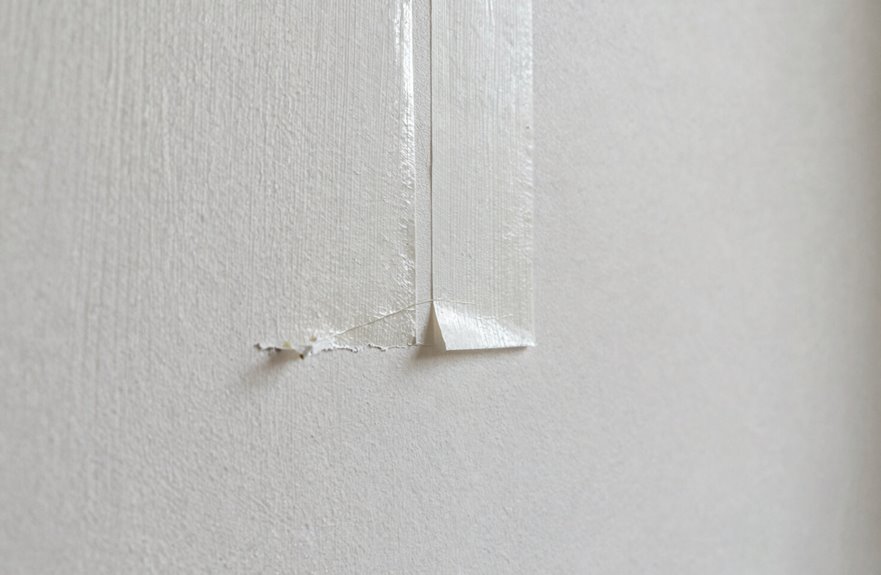
How do you decide between peel-and-stick and pasted wallpaper? Consider your skill level and commitment. Peel-and-stick offers adhesive backing you apply directly to clean, dry walls. You can lift and re-stick to eliminate bubbles. Pasted application demands precise placement, smoothing, and seam matching without second chances.
| Feature | Peel-and-Stick | Pasted Application |
|---|---|---|
| Prep | Clean, dry surface | Paste application required |
| Correction | Lift and re-stick | Permanent placement |
| Removal | Little residue | Labor-intensive stripping |
Measure and cut carefully with traditional wallpaper, aligning patterns exactly. Peel-and-stick skips paste mixing and booking time. Smooth from center to edges. Peel-and-stick works for temporary spaces, while pasted application delivers lasting results. Your timeline and wall condition should guide your choice.

【Color and Size Specifications】:1.5IN/38mm(Width), 10.5FT/3.2m(Length), 0.04IN/1mm(Thickness) Color: White caulk tape waterproof sealant caulk strip has a crease in the middle. CDFYREC caulking strip with crease design can be folded to 90 degrees for tightly sealing gaps between walls.
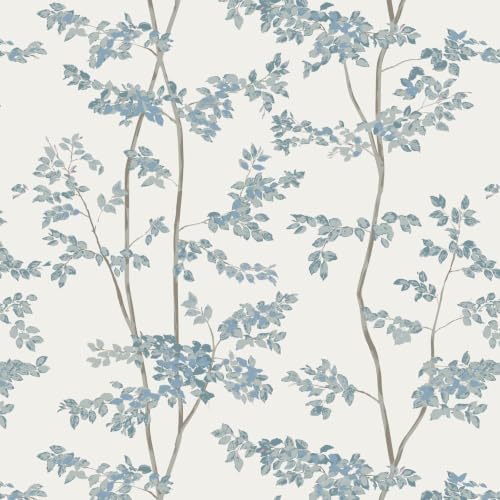
【Renter-Friendly】Designed with renters in mind, this eco-friendly wallpaper is easy to apply and reposition for a precise fit. Each roll measures 17.3 × 78.7 inches (1.44 × 6.56 ft) and covers approximately 9.45 sq.ft. Made from upgraded thickened vinyl, it features a subtle textured, water-resistant surface that wipes clean easily. Self-adhesive and removable, it comes off cleanly without residue or wall damage, ideal for rental homes, kitchens, bathrooms, bedrooms, living rooms, and accent walls
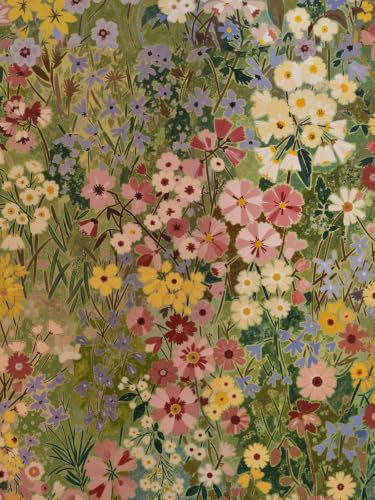
Unique design:This peel and stick wallpaper features abstract floral and grass patterns, blending a rich variety of flowers, grasses, and petals. The thoughtfully designed color scheme and layered floral patterns create a vibrant yet artistic effect. Whether you're looking to add trendy colors or create a cozy, inviting atmosphere, this boho wallpaper is the perfect fit. The bold color palette combined with floral designs brings a unique personality and ambiance, making it an ideal choice for any space.
Durability Compared: Lifespan, Wear Resistance, and Real-World Performance
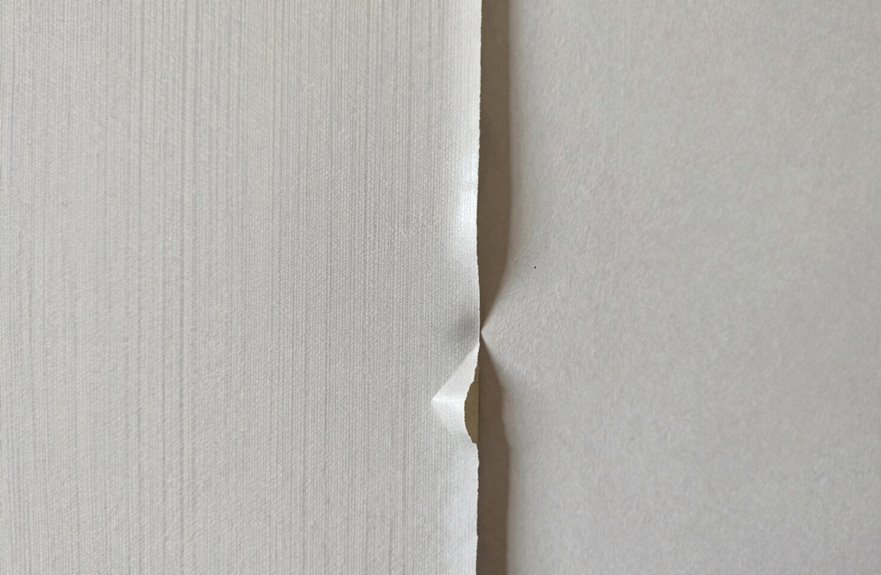
Lifespan expectations, wear resistance, and moisture performance distinguish these materials in practical use. Wallpaper typically endures 10–15 years when installed properly, while contact paper shows vulnerability to peeling, tearing, and discoloration under heat or humidity. Vinyl wallpapers withstand damp, high-traffic areas far better than contact paper, which remains a temporary solution despite its convenience.

TRADITIONAL PASTE THE WALL WALLPAPER: This is traditional wallpaper, not peel and stick. Wallpaper paste sold separately. We recommend professional installation for the best results, especially for first time wallpaperers

Permanent non-woven wallpaper with a classic paper feel and matte finish, designed for residential spaces

REMOVABLE: Durable and long-lasting, suitable for rented spaces, accent walls, and craft projects
Lifespan Expectations
Why does one material outlast the other by a decade or more? The answer lies in fundamental design differences between wallpaper durability and contact paper longevity.
Wallpaper, when installed properly, gives you 10–15 years of service. Contact paper fails within months under the same conditions. This distinction matters when choosing materials for spaces you actually live in.
Here’s what separates them:
- Material thickness — Wallpaper uses heavier substrates that resist structural fatigue.
- Adhesive systems — Wallpaper employs permanent, moisture-resistant bonding agents.
- Surface engineering — Vinyl wallpapers incorporate protective layers contact paper lacks.
- Installation depth — Wallpaper seams interlock; contact paper edges lift.
Contact paper serves temporary needs. Wallpaper provides lasting results and remains the reliable investment for durable installations.
Wear Resistance
Wear Resistance
When you run your hand across a wall covering, you’re feeling the difference between materials built to endure and those designed for convenience.
Understanding Wear Resistance
Wear resistance separates temporary fixes from lasting investments. Wallpaper delivers superior durability through robust construction and secure adhesive bonds. Vinyl options withstand daily contact, maintaining appearance through years of use.
Contact paper lacks comparable resilience. It tears easily, peels at edges, and discolors when exposed to heat. These weaknesses limit its effectiveness in active spaces.
Real-World Performance
Consider your space’s demands:
- High-traffic hallways need wallpaper’s structural integrity
- Temporary rental updates suit contact paper’s lower durability expectations
- Peel-and-stick wallpaper offers middle-ground convenience with moderate wear resistance
Your choice depends on how long you need protection, not just how you want walls to look today.
Moisture Performance
Moisture Performance
Water changes everything for wall coverings. Moisture separates serious solutions from temporary fixes, and you need to know where each material stands.
Moisture Performance Factors
- Material Composition: Vinyl wallpaper withstands humidity by design, while contact paper struggles despite its vinyl content.
- Installation Environment: Vinyl wallpaper belongs in bathrooms and kitchens where steam accumulates daily.
- Degradation Timeline: Contact paper peels within months under moisture exposure; quality wallpaper endures 10–15 years.
- Maintenance Reality: You’ll replace contact paper repeatedly, but vinyl wallpaper maintains adhesion and appearance.
Moisture resistance isn’t optional in wet spaces. Vinyl wallpaper offers engineered durability that contact paper cannot match, even when both share similar materials. Your walls require protection rated to last 10–15 years rather than months.
Moisture and Heat Performance: Which Works in Kitchens and Bathrooms
Where exactly should you use each material when steam, splashes, and heat become daily realities.
Moisture-resistant, vinyl-backed wallpaper handles kitchens and bathrooms far better than contact paper. The vinyl backing creates a protective barrier against humidity and water exposure.
Contact paper fails in these environments. Its adhesive degrades with moisture, causing peeling and discoloration. Heat warps it further. Bubbling occurs near stovetops and loosening happens behind sinks.
Vinyl wallpaper withstands higher temperatures and resists steam damage. Peel-and-stick options offer easier removal when damp, though neither matches dedicated moisture-rated coverings.
For your kitchen backsplash or bathroom walls, choose moisture-resistant wallpaper. Avoid contact paper in these spaces entirely. Your surfaces will remain intact and resist premature failure.

𝐍𝐔𝐑𝐒𝐄𝐑𝐘 𝐅𝐋𝐎𝐑𝐀𝐋 𝐖𝐀𝐋𝐋𝐏𝐀𝐏𝐄𝐑 — Peel and stick wallpaper designed for nursery and baby room walls, featuring soft green botanical floral patterns. Easy to install, repositionable, and removable without residue, perfect for creating a calm and natural space.
Unique design:This peel and stick wallpaper features abstract floral and grass patterns, blending a rich variety of flowers, grasses, and petals. The thoughtfully designed color scheme and layered floral patterns create a vibrant yet artistic effect. Whether you're looking to add trendy colors or create a cozy, inviting atmosphere, this boho wallpaper is the perfect fit. The bold color palette combined with floral designs brings a unique personality and ambiance, making it an ideal choice for any space.

【SIZE&MATERIAL】 16.9In X 118.1In ≈ 13.8sq.ft. Floral wallpaper,upgrading and thickening. The thickened polymer material protective film makes this wallpaper less prone to tearing. Adopt the latest removable glue, strong adhesion and can be easily applied to any smooth and dry surface. No residue after removal.
Design Options Compared: Patterns, Textures, and Premium Finishes
How do design possibilities actually compare between these two materials? Wallpaper dominates when it comes to patterns, textures, and premium finishes that elevate a space.
- Pattern variety: Wallpaper offers thousands of designs from traditional florals to modern geometrics, while contact paper provides basic, limited selections.
- Texture depth: You’ll find grasscloth, embossed vinyl, and fabric-backed options in wallpaper, whereas contact paper remains mostly flat and smooth.
- Premium materials: Bamboo, silk, and high-grade vinyl distinguish wallpaper’s upscale market segment.
- Finish quality: Contact paper mimics looks cheaply, but wallpaper delivers authentic, durable textures built for long-term display.
For a polished, cohesive aesthetic that reflects thoughtful design choices, wallpaper’s broader spectrum delivers more sophisticated results than contact paper.

BRAND--Since 2018, HEROAD brand was specially created for WOOD GRAIN series wallpapers.

Protect Your Shelves, Furniture, or Any Surface: Elevate the appearance of your shelves, cabinets, walls, and furniture while simultaneously protecting them from daily wear and tear with Con-Tact Brand's creative shelf-liner.

CONTACT PAPER DESIGN -- With a clean white faux wood finish and natural, simple grain texture, this contact paper is practical and versatile, easy to fit into any space.
Removal Reality: Easy Peel vs. Labor-Intensive Stripping
Why does removal difficulty matter so much? Because we’ve all lived somewhere temporary, or feared damaging walls we don’t own.
Why does removal difficulty matter so much? Because we’ve all lived somewhere temporary, or feared damaging walls we don’t own.
Peel-and-stick wallpaper changed the game. I strip it off cleanly, often with zero residue. Traditional wallpaper requires scraping, steaming, and significant effort through labor-intensive removal that damages drywall.
Contact paper offers similar easy peel benefits for smaller projects. Both allow readjustment during application, reducing the risk of permanent surface damage.
But I watch for misleading marketing. Some products promise “peel-and-stick” simplicity while hiding stubborn adhesives. I verify claims through reviews before committing.
For renters or frequent redecorators, peel-and-stick options and contact paper deliver accessible, low-commitment solutions. Traditional wallpaper demands professional removal or significant personal effort, making it impractical for temporary living situations.

[Natural Wood Grain Contact Paper ] 15.7 In x 118 In. Authentic wood wallpaper covers an area of 12.8 square feet. Wood wallpaper to the current market in the popular colour blending, mainly brown, using dark brown texture design, with dark and light colours. The matte frosted finish restores the most realistic wood grain look, making it perfect for various decor styles

【SIMPLE AND ELEGANT】- Matte White textured contact paper can add a simple but more elegant style to your home. Find the old wall or cabinets you want to refurbish, peel and stick, knowing the perfect decorative wallpaper is already with you!
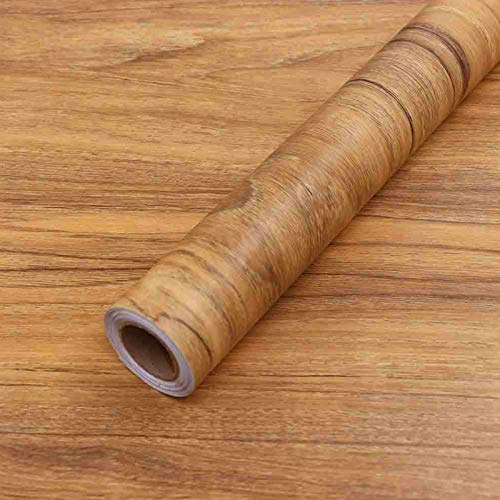
Self-Adhesive and Removable: Easy to install,self-Adhesive and removable,peel and stick wallpaper can be applied to most flat and dry surfaces, just peel and paste.If the paste fails, wallpaper will not leave glue on the surface after removal.
Cost Comparison: Budgeting for Quick Updates vs. Long-Term Investment
What separates a weekend project from a serious renovation? The answer lies in balancing cost against durability.
Contact paper generally costs less than wallpaper, making it ideal for quick, temporary updates. For small projects, you’ll find it more economical. However, wallpaper’s higher price reflects superior durability, textures, and premium finishes suited for long-term, high-traffic areas.
- Material costs favor contact paper for budget-conscious refreshes
- Installation adds significantly to wallpaper expenses
- Designer wallpaper options dramatically increase overall investment
- Contact paper requires minimal installation costs
Wallpaper functions as a long-term investment where durability justifies the expense. You’ll spend more upfront, but you’re paying for longevity. Contact paper serves immediate needs without major financial commitment. Your choice depends on your timeline and traffic demands.

LARGE FLORAL PATTERN: This wallpaper features delicate beige lines that define the contours and textures of the flowers and leaves. The flowing, varied line thickness adds depth and dimension, while the minimalist color scheme creates a fresh, understated aesthetic

【SIZE & MATERIAL】Leaf Peel and Stick Wallpaper--17.7inch x 118.1inch=14.53sq.ft/roll, leaf wallpaper made of newly upgraded thickened removable vinyl material. Self-adhesive ( No extra glue is needed )It's best to buy enough wallpaper in quantities at once to avoid slight color differences from batch to batch.

[Natural Pastoral Style] Inspired by natural pastoral scenes, this wallpaper features hand - painted - feeling small yellow flowers and green leaf patterns, with high - precision printing restoring the flowers’ simplicity and vividness, and high - quality, tough material resisting damage.
How to Decide: Contact Paper or Wallpaper for Your Specific Project
Where exactly do you plan to apply your material, and for how long? This determines everything. For quick, temporary updates, contact paper is the better choice. It’s thinner, self-adhesive, and easier to remove. For lasting wall coverage, wallpaper is more appropriate. It’s thicker, more durable, and built to endure.
Match Your Project to Your Material
Consider these factors:
- Surface type: Contact paper works well for lining shelves and small surfaces. Wallpaper covers walls effectively.
- Installation: Contact paper suits DIY-friendly projects and self-installation. Wallpaper requires precise measurement, seam matching, and sometimes professional help.
- Longevity: Peel-and-stick wallpaper offers repositionability with minimal residue. Contact paper can be harder to reapply without damage.
- Environment: Contact paper deteriorates in humid areas. Wallpaper, especially vinyl, offers superior moisture resistance and durability under heat.
Choose based on your timeline and environmental conditions.
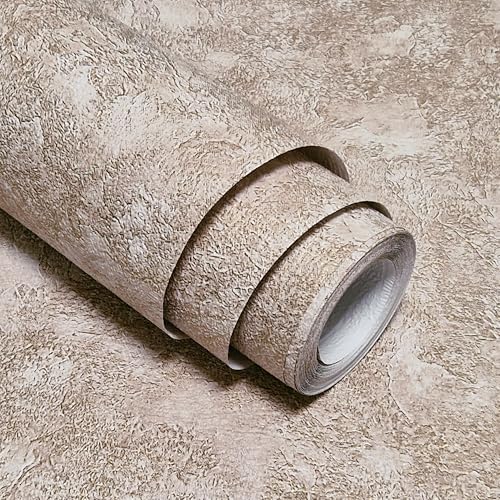
Sophisticated Design: The light coffee hue and faux plaster texture of this modern wallpaper create a warm atmosphere, seamlessly blending into modern boho decor or home decor styles, making this wall paper perfect for feature walls or full-room coverage.

REMOVABLE: Durable and long-lasting, suitable for rented spaces, accent walls, and craft projects

TRADITIONAL PASTE THE WALL WALLPAPER: This is traditional wallpaper, not peel and stick. Wallpaper paste sold separately. We recommend professional installation for the best results, especially for first time wallpaperers