
I can help you identify the right bathtub drain. Traditional options include the trip lever, lift-and-turn, and push-and-pull stoppers that connect to your overflow plate. Modern tubs use toe-touch, push-button, or electronic drains for easier daily operation. Freestanding and vintage tubs require specialty assemblies with specific piping alignments. Measure your drain hole, check overflow configuration, and match your fixture finish before buying. Each type is explained below to help you select the right option.
How Tub Waste and Overflow Actually Work
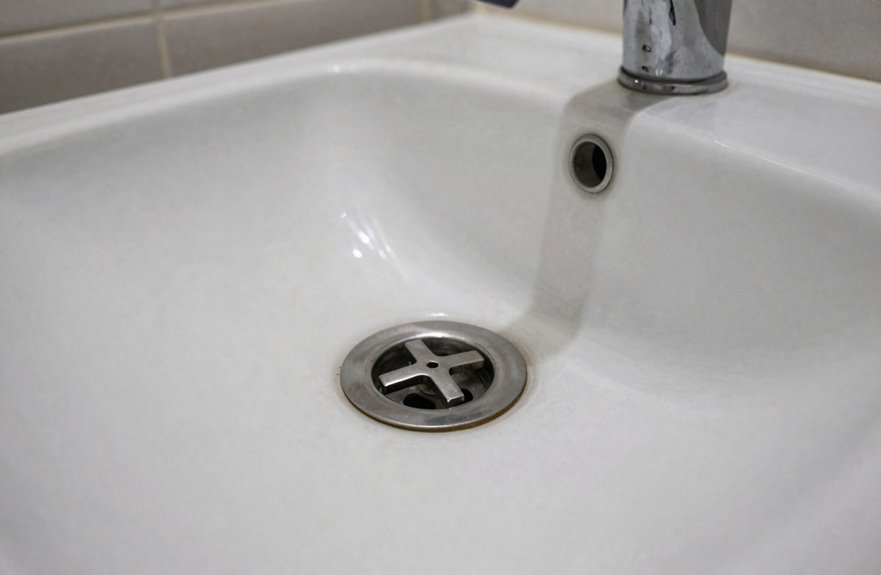
Tub waste and overflow systems keep your bathroom floor dry by managing where excess water goes. The tub waste drain sits on your tub floor and empties water into the waste line. When you close the drain stopper or engage a push-and-pull drain, water stays inside. If water rises too high, the overflow plate channels it safely into the drainage system. This overflow acts as a secondary safeguard, sending excess water to the same pipes as the tub waste drain. Some tubs hide piping in walls, while others use built-in overflow channels within the body. If water rises above the overflow hole, minor edge spillage can still occur despite these protective measures.

BATHTUB OVERFLOW PLATE REPLACEMENT: This Danco tub overflow plate will replace your worn out, scratched current 2-hole overflow plate

TUB DRAIN ASSEMBLY LINKAGE: Designed to repair and replace a worn-out Trip-lever drain assembly linkage that operates the opening and closing of the Trip Lever Bath Tub Waste Overflow Drain, The brass construction that provides strength and durability and will endure the rigors of every day use.
Identify Your Current Drain Before Replacing It
A drain replacement starts with knowing exactly what you have now. Examine your tub carefully to determine if it uses a trip lever, lift-and-turn, push-and-pull, or pop-up stopper, since each connects differently to the overflow and drain assembly.
A drain replacement starts with knowing exactly what you have now—identify your stopper type before you begin.
Follow three clear steps to confirm full compatibility:
- Check whether your current drain integrates directly with the overflow plate or sits completely separate from it.
- Measure the drain hole, which is typically 1-1/2 inches wide, and note whether you need a left-hand or right-hand configuration.
- Match the finish and brand to existing fixtures, and inspect your tub style to verify if interior or exterior overflow arrangements will affect the final fit. This ensures a proper install.
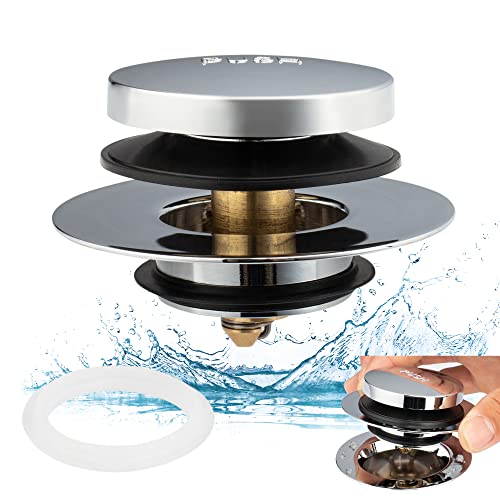
UGRADED TUB DRAIN STOPPER AND COVER: New design for easy installation and removing, so that you can clearing the hair and tangled messes easily.
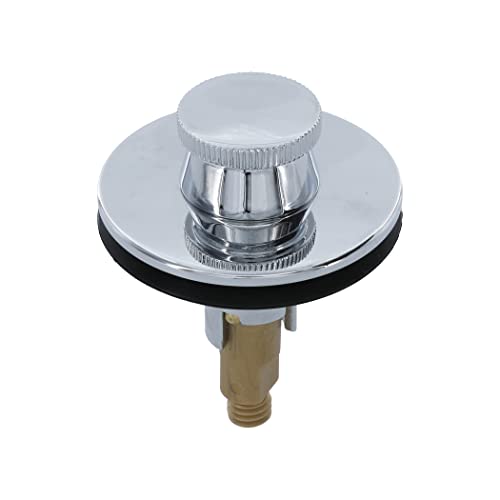
BATHTUB DRAIN STOPPER: This tub drain stopper is ideal for replacing worn-out, dull and non-functioning bathtub drain stopper and you can convert a standard trip-lever drain to an easy lift and turn drain closure.
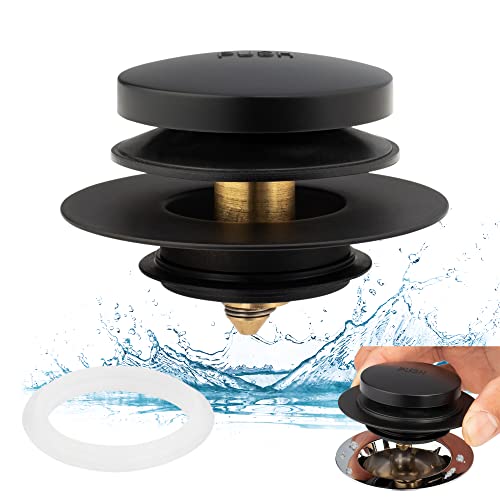
UGRADED TUB DRAIN STOPPER AND COVER: New design for easy installation and removing, so that you can clearing the hair and tangled messes easily
Old-School Bathtub Drains: Trip Lever, Lift-and-Turn, Push-and-Pull
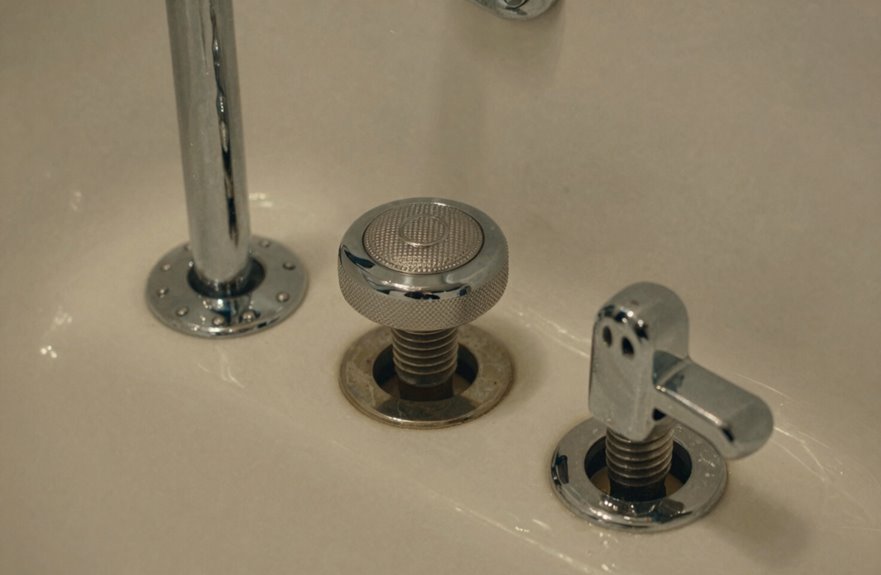
How do you know which old-school drain you’re dealing with? I’ve identified three classic drain types by their distinct mechanisms. Understanding these helps you maintain, repair, or replace your existing setup with compatible components.
Trip Lever
A lever on the overflow plate controls the drain. Flip it to raise or lower a plunger that seals or releases the drain. This design hides the stopper inside the overflow, giving your tub a clean look.
Lift-and-Turn
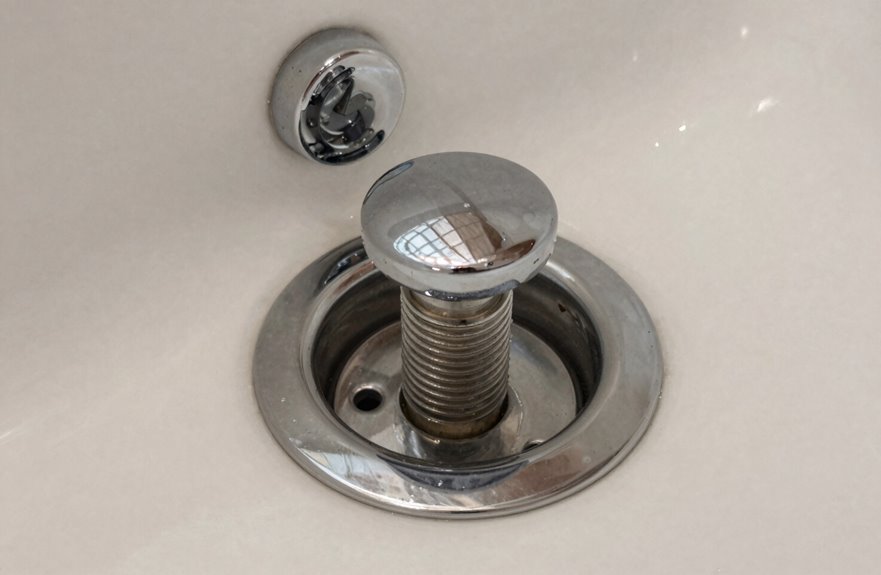
Lift a small rounded knob on the stopper, then twist to lock it open or closed. The stopper sits directly in the drain opening.
Push-and-Pull
Push the stopper down to seal the drain. Pull up to drain. The flat, flush top disappears when closed.
These mechanical drain types require matching overflow and stopper parts, with varying installation complexity and seal reliability.

Constructed of brass and Zinc ensuring durability and dependability
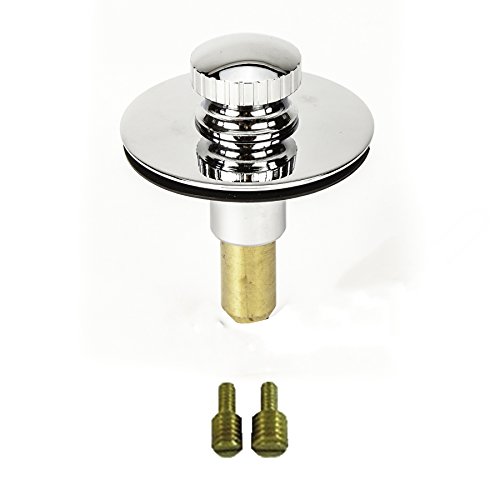
HAND OPERATED Bathtub Drain Stopper

Innovator push pull bath waste. - variety of finishes you can choose from. - installation is simple do-it-yourself job
Modern Bathtub Drains: Toe-Touch, Smart, and Electronic Options
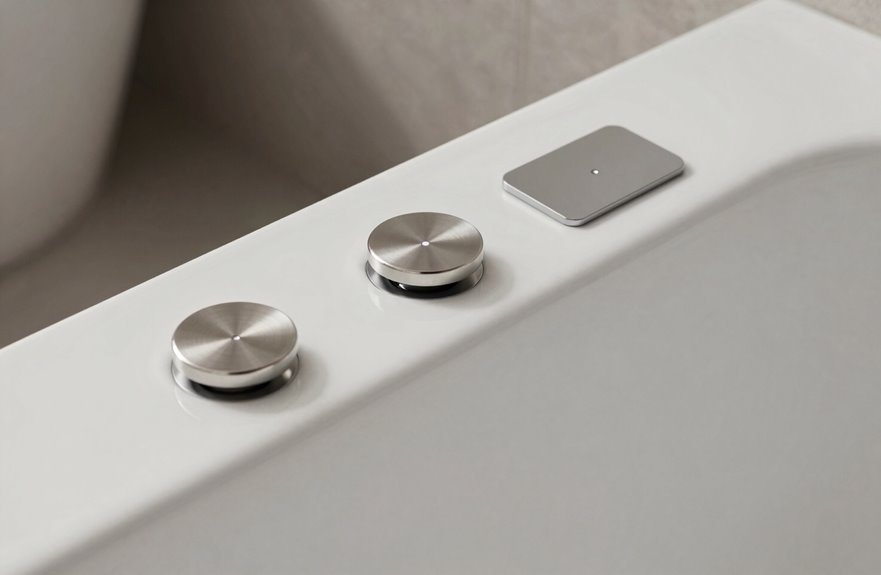
Where traditional stoppers demand manual twisting, modern drains use toe-touch springs, cable-operated types, and push-button controls for simpler operation. Three modern choices blend sleek style with practical everyday function.
- Toe-touch models use a spring-loaded stopper you tap with your foot to seal or release bathwater quickly.
- Push-button drains offer a sleek, integrated overflow tube and clean lines for a minimal, cohesive look.
- Smart drains and electronic drains use motorized controls for hands-free operation, giving you a luxury feel with consistent watertight seals.
These designs streamline your tub’s overall profile. Smart drains and electronic drains require power, and repairs may require specialized parts. Modern systems prioritize ease, aesthetics, and reliable performance over traditional manual mechanics.
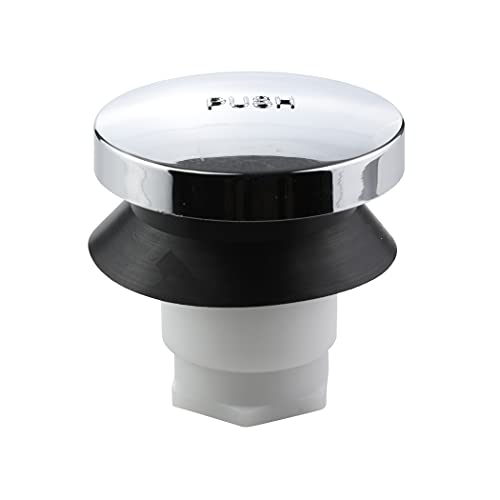
FITS MOST STANDARD BATHTUB DRAINS: Fits 2-inch cross-arm bathtub drains with adapters for 5/16 inch and 3/8 inch thread sizes

With Polished Chrome Cap

FOOT OPERATED Bathtub Drain Stopper
Specialty Bathtub Drains for Freestanding and Vintage Tubs
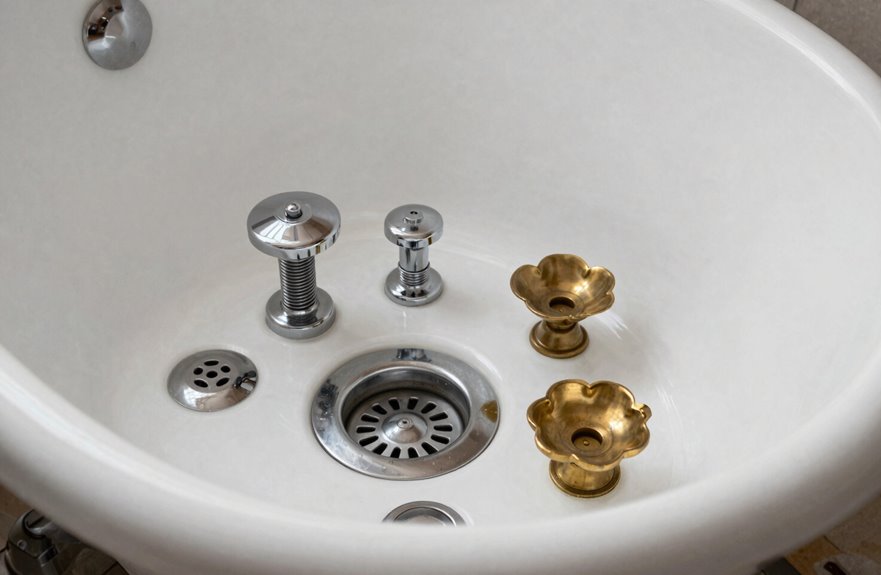
The installation demands on freestanding and vintage tubs push standard drains beyond their limits. Specialty drains accommodate complex piping and non-standard configurations that standard models cannot manage.
Selecting Your Drain Type
- For freestanding tubs, lever mounted or pop-up drain assemblies align with waste tees and overflow components.
- These specialty drains secure tightly within installations where standard hardware fails.
- When restoring vintage fixtures, a rubber stopper provides period authenticity, though it requires manual operation.
Preventing Leaks
- Proper sealing prevents costly leaks and damage.
- Verify alignment with surrounding structure to allow water to flow through intended channels and eliminate seepage.
- Select options that integrate reliable function with sophisticated aesthetics for durable performance.

[Upgraded ] Bath Tub Drain Stoppers, Replaces Old Lift and Turn, Tip-Toe and Trip Lever drains for Tub, EZ Installation and Clearing. Bathtub drain hair catcher bottom basket can strainer hair and debris. Easy to install and remove, just insert and pull out directly bathtub drain cover. Bath plug for tub Pop-up design can effectively store and drain water.

[Upgraded 3-in-1 Design] This bathtub drain stopper integrates three essential functions: water storage, rapid drainage, and efficient filtration. Its optimized flow design ensures water empties quickly and completely, preventing the stagnant puddles often caused by slower, conventional stoppers. Simply press to seal for a bath, and flip to drain instantly

Universal Bath Sink Drain Stopper - V-TOP bathtub drain stopper is designed with a flat design and is perfectly sealed without any leakage. The drain cover measures 5"/13cm, is round and large enough to cover different sizes of drains in the bathtub and kitchen sink. This drain stopper is the perfect bath drain plug for kitchens, bathrooms and laundry rooms.