
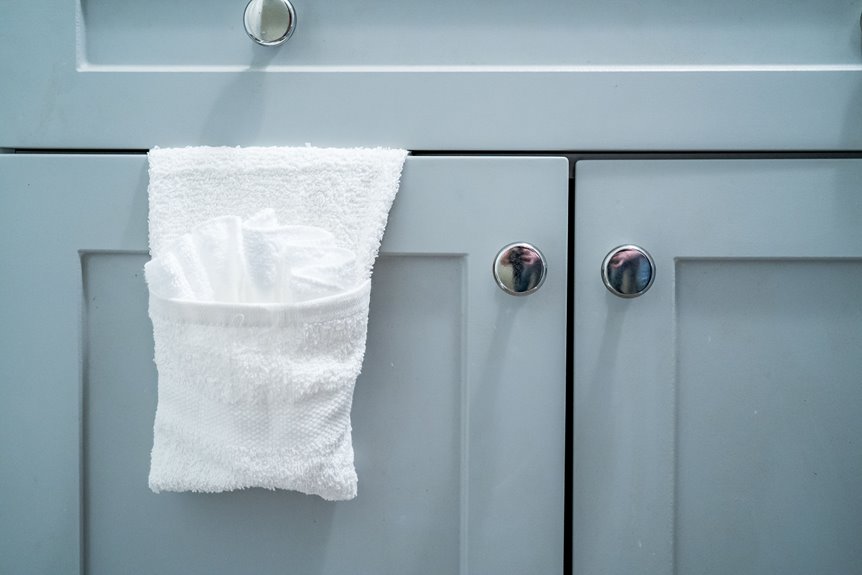
I empty your bathroom cabinet completely to assess what you actually own, then purge expired products and unused duplicates. I measure interior dimensions precisely (height, width, depth, and any obstructions), adding half-inch clearance for organizers that fit. I sort remaining items by daily use rather than product type, placing morning skincare at eye level and evening routines in accessible zones. I maximize vertical space with stackable bins, door racks, and rotating organizers. The complete system is detailed below.
Remove Everything and Sort Before Buying a Single Bin
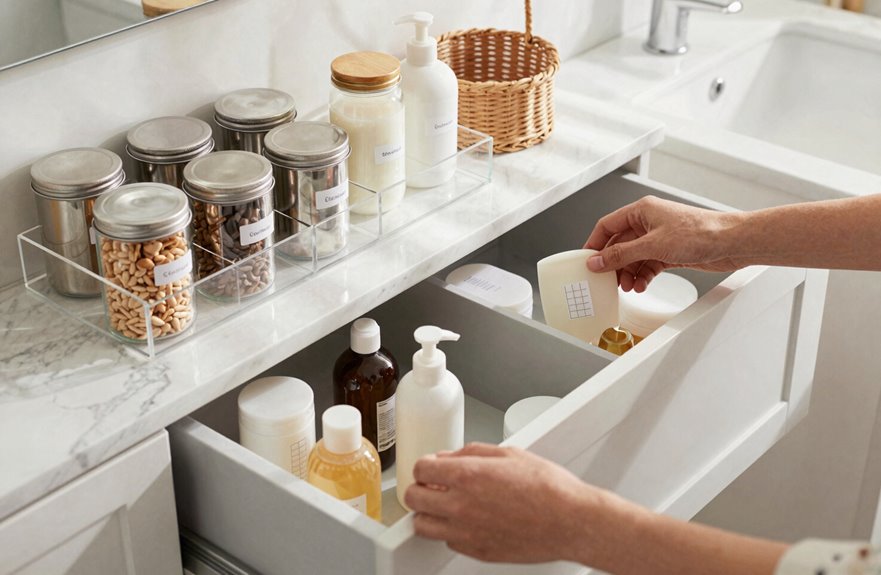
Before I purchase a single storage container, I remove every item from my vanity cabinets and drawers. This complete visual inventory reveals what I actually own, preventing me from buying unnecessary storage bins.
Before I purchase a single storage container, I empty my vanity completely to see exactly what I already own.
Decluttering Essentials
I purge expired products immediately. Old medications, dried-out cosmetics, and unused duplicates consume precious space. This step determines my true storage needs.
Product Grouping Strategy
I categorize items into logical groups: oral care, skincare, hair products, and first aid supplies. This product grouping guides my later bin selection.
Why Sorting Comes First
I sort before buying because guessing leads to mismatched containers. I note rough quantities per category, which informs space optimization decisions. Drawer dimensions and cabinet organization requirements become clear only after this process.
This methodical approach ensures every storage solution serves a purpose.

Deep Drawer Organizer Bins: 4 x larger bins (10.62''L x 4.4''W x 3.15''H), 4 x smaller bins (9.64''L x 3.89''W x 2.87''H)

Stackable Storage Bins-- The top of the drawer has groove design ensures stacking. Use these stackable drawers to save space, which is also keep organized.

【Crystal Clear Drawer Organizer】Made of durable and clear plastic, the drawer organizer looks beautiful in drawer, they are well decorative for home organization and storage, no more mess in bathroom, vanity, office.
Measure Your Bathroom Cabinet Interiors for Organizers That Actually Fit
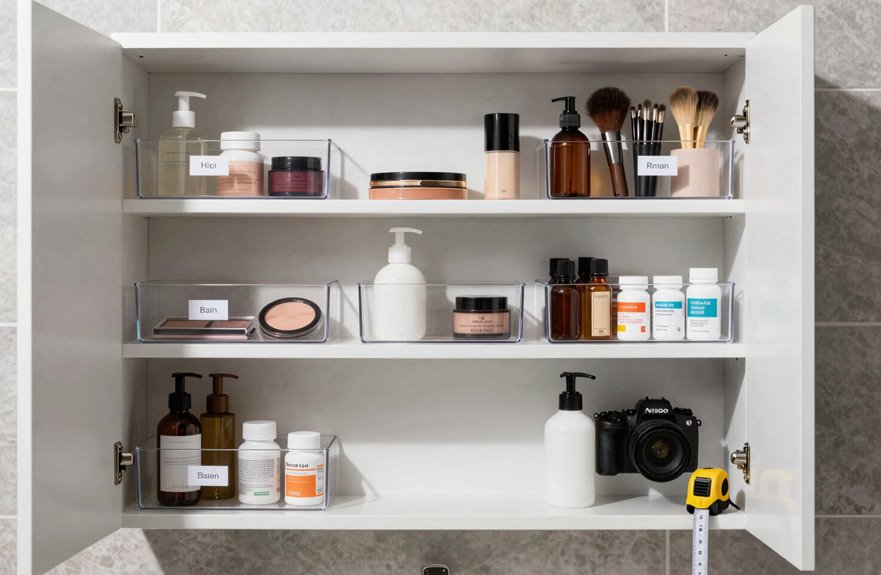
Although I’ve sorted my products, I can’t select organizers until I know my exact cabinet dimensions. I take bathroom cabinet measurements for height, width, and depth, then inspect for plumbing or shelves that reduce usable cabinet interior dimensions. Accurate numbers prevent costly mistakes and ensure proper organizer fit during space planning. I measure twice to avoid errors. I record these figures in my phone for quick reference while I shop.
- Clearance: I add one-half inch clearance around drawer inserts and turntables so items move freely without obstruction or binding.
- Flexibility: I select adjustable organizers and modular organizers that shift when my storage needs change over time.
- Reference: I sketch labeled diagrams using measurement guidelines to verify product compatibility before purchasing.

[ Please Note ] - The lazy susan is large enough for 8 cans of coke (refer to the 2rd image). Please read the lazy susan dimensions and measure your tabletop or closet space before ordering in case it doesn't fit. Overall Size - 10" x 1.4". Available Size - 9.1"

Open Compartments & 360 Rotating Design: This makeup organizer spins on a ball-bearing mechanism, so the tray rotates smoothly without wobbling, while the open compartments offer instant access to your daily essentials. With makeup neatly displayed, you'll save 15-30 minutes every morning finding what you need, starting your day with a beautifully organized counter

SHIPMENT CONTAINS: 1 clear 9-inch diameter, 2-tier lazy susan turntable organizer for spices and condiments in your kitchen cabinet or countertop
Group Items by Daily Use, Not Just by Product Type
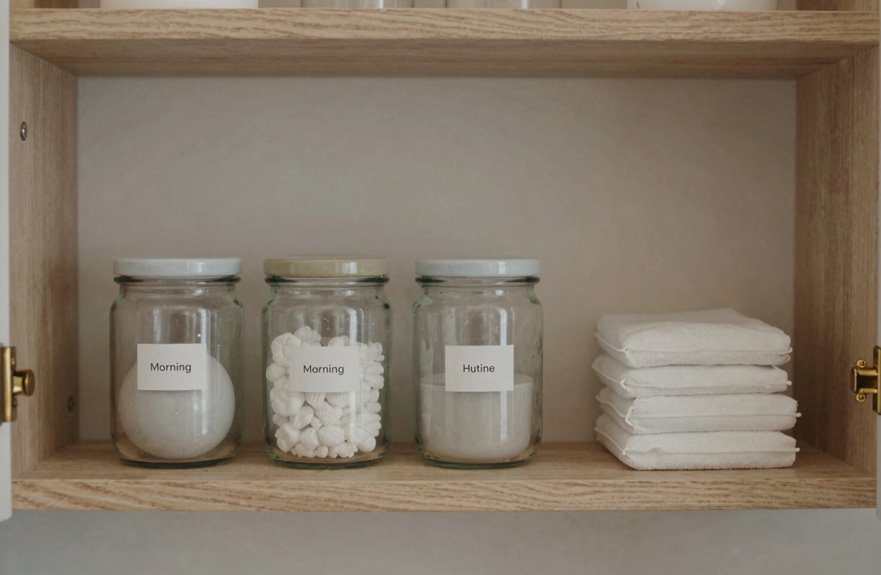
Why sort by product type when you’re always rushing in the morning? Redesigning your bathroom cabinet layout around daily-use organization works better. Create specific daily-use zones for product grouping by routine. Place frequent-use items at eye-level storage and on accessible shelves. Use clear storage bins paired with labeling dividers. Purge and maintain the system monthly. This method saves time every single day and keeps your routine efficient.
Create Daily-Use Zones
Follow these steps:
- Place daily essentials together by routine each morning.
- Reserve back shelves for occasional items only.
- Review contents monthly and remove empties promptly.
| Routine | Location |
|---|---|
| Morning skincare routine | Top drawer |
| Oral care | Eye-level shelf |
| Daily hair tools | Open bin |
| Evening care | Front row |
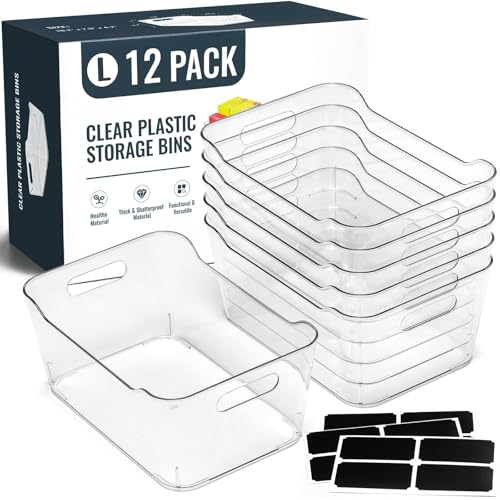
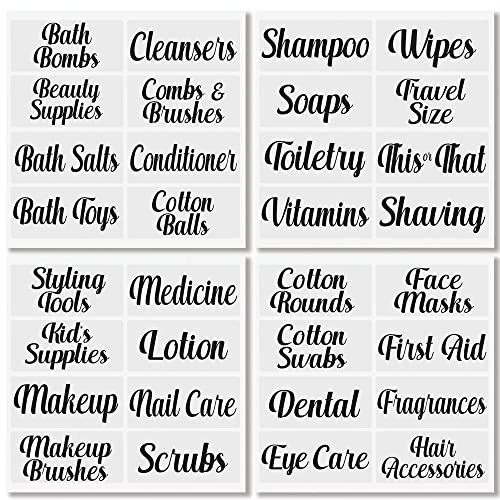
12 PACK CLEAR ORGANIZER BINS - Item includes 12 pcs plastic bins (10.3" L x 7.3" W x 4.7" H) & 12 pcs black labels. These clear organizer bins are made of thick clear plastic with smooth edges which are food grade and easy to clean.

Stackable Storage Bins: The top of the drawer has groove design ensures stacking. Use these stackable drawers to save space, which is also keep organized
Maximize Vertical Space With Stackable Organizers and Door Racks
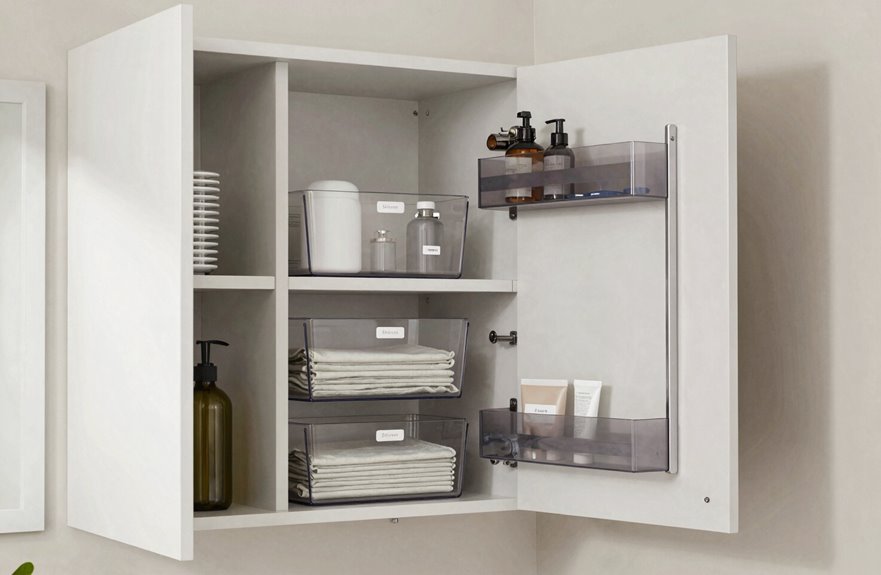
How do you reclaim wasted inches in a cramped cabinet? I use adjustable shelves and stackable organizers to release vertical space, fitting tall bottles securely without tipping hazards.
I install door racks on cabinet interiors to hang brushes, sponges, and towels. These inside-cabinet racks free shelf space for larger items. For spray bottles and lightweight supplies, I slide under-sink tension rods into place, keeping floors clear and accessible.
I practice eye-level placement: frequently used items sit on middle shelves where I reach them easily. On higher shelves, rotating organizers let me spin contents toward me without disturbing neighboring bottles. This bathroom storage strategy transforms dead zones into functional real estate. Every inch serves a purpose.

AMAZING QUALITY: Our top tier makeup organizer is designed to be durable and BPA with exceptional workmanship. This cosmetic organizer has high transparency and can be washed easily with soap and water.

【Perfect for Makeup Drawer Storage】Versatile 10pcs drawer organizer can be combined in 9*12 and 9*18 inch drawer in vanity, they are perfect for organizing cosmetics like lipstick, hair accessories, eye shadow, makeup brush, beauty products, jewelry and more, keep your vanity drawer well organized.

Available in 2 Different Sizes: The smaller size (S) measures 8.27" x 13.19" x 9.06", and the larger size (L) measures 8.27" x 13.19" x 10.63". High-Low combos make this bathroom organizer versatile for multi-purpose storage and organization, such as kitchen organization, cabinet organizer and storage, bathroom organizer countertop, pantry organizer, under sink organizer, etc
Organize Deep Drawers for Makeup, Tools, and Daily Essentials
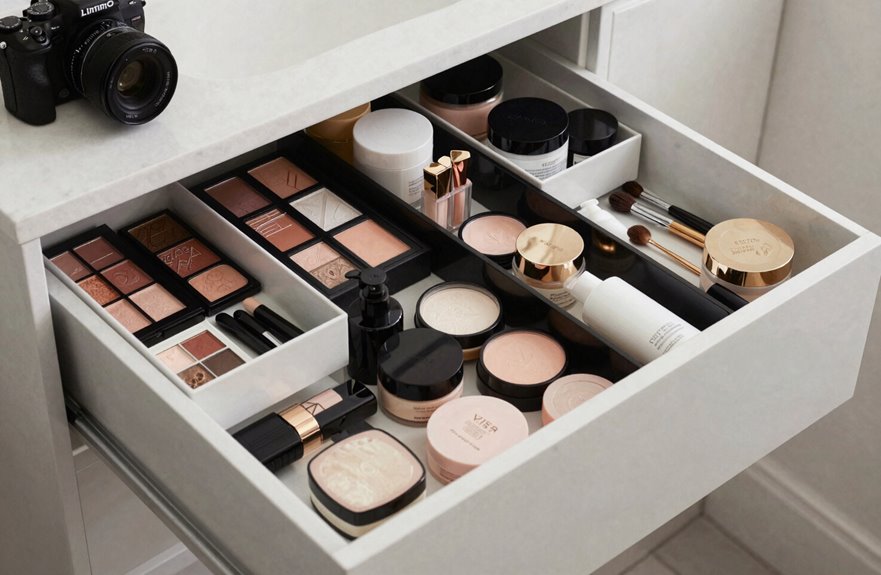
I don’t start with containers; I begin by pulling every item out of the drawer and purging what’s expired or unused. This decluttering routine creates the foundation for effective bathroom cabinet organization.
Next, I implement category zoning. I group remaining products by function: eyes, lips, face, and makeup tools. Then I select clear drawer organizers that fit my deep drawers precisely. For cosmetics organization, I place daily essentials in top drawers for immediate access.
My lipstick storage method saves time. I turn tubes upside-down to display shade names. The bottom drawer holds larger items like palettes and removers. This makeup storage system maximizes depth without sacrificing clarity, so each morning I find exactly what I need.

[Important Note] Please measure before ordering: Inside Depth: Requires > 4.5" Cabinet Door Width: MUST be wider than 12" Door Fit: Fits door thickness ≤ 1.1" with a door gap > 1/8"
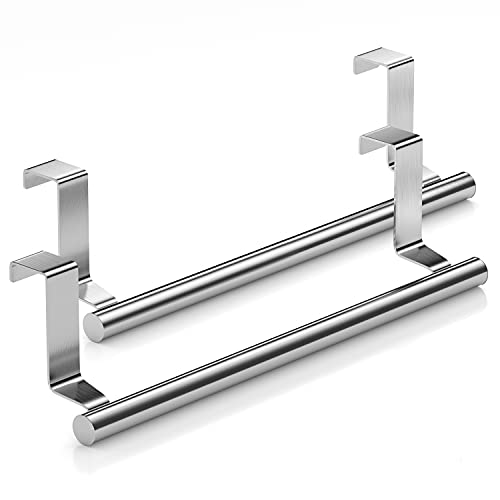
Made of strong steel with a durable rust-resistant finish; Soft foam pads behind over door hooks protect cabinets; Easy Care - Wipe clean with damp cloth. Gorgeous brushed stainless steel finish goes with any decor, resists smudges and won’t rust.

Upgraded Extended Back Hook: This cabinet door towel holder features an extended the back hook design, solving the problem of kitchen cabinet door towel racks easily falling off