

I use activated charcoal sachets to absorb odors without adding fragrance, placing them near trash cans or pet areas and recharging them monthly in sunlight.
Simmer pots with citrus peels, cinnamon sticks, and rosemary create immediate, natural scent.
I open windows for fifteen minutes weekly to exchange indoor air, or run an air purifier when outdoor conditions are poor.
I avoid synthetic fragrances, which can contain thousands of undisclosed chemicals including phthalates that harm indoor air quality.
These methods address odor sources directly rather than masking them. The following sections explain each technique in greater detail.
Ditch Synthetic Fragrances: What’s Hiding in Your Air
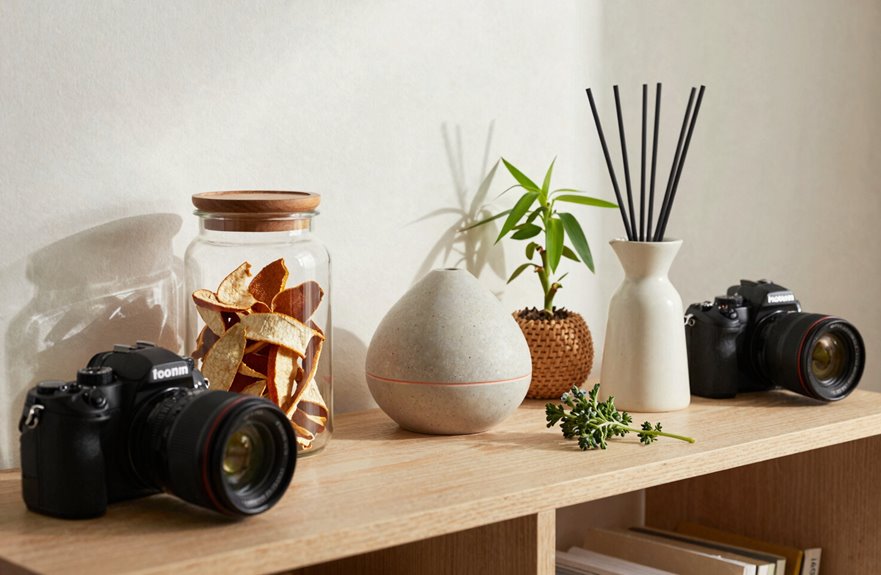
Although I enjoy a fresh-smelling home, I’ve learned that conventional air fresheners and scented products often create more problems than they solve.
I love a fresh-smelling home, but conventional air fresheners create more problems than they solve.
The Hidden Problem
When I check labels, I notice “fragrance” or “parfum” listed without details. This matters because fragrance ingredients remain undisclosed, hiding over 3,000 possible chemicals with no universal safety testing. These undisclosed components directly impact my indoor air quality in ways I cannot monitor.
Phthalates: A Specific Concern
Many products use phthalates as fixatives to make scents last longer. Research shows these hormone-disrupting chemicals appear at high concentrations in tested items. They circulate through my indoor air, creating exposure risks for everyone in my household, including pets.
A Clearer Path
I avoid synthetic fragrances entirely. This prevents adding toxic chemical burdens to my air and keeps my scent options natural and safer.

UNLEASH THE PURIFYING POWER OF 28°N LATITUDE - Cultivated in bamboo forests bathed in sunlight at 28°N latitude, activated charcoal shoe deodorizer boasts a superior porous structure and organic makeup, thanks to its pristine growing conditions. Serving as a natural odor eaters for shoes, it delivers sustained and reliable odor adsorption performance, keeping your surroundings fresh and clean

100% NATURAL BAMBOO CHARCOAL: The bamboo charcoal bags are made of 100% natural bamboo charcoal, without any fragrance and chemicals. They are safe for children and pets. Standard size bamboo charcoal particles have a larger contact area with air, the performance of adsorption is better, effectively remove odors and bring fresh air.

CHARCOAL DEODORIZER BAGS WITH HOOKS. Our 3.5oz bamboo charcoal bag musty smell eliminators are the perfect size to place wherever you have a bad smell: closet, car, shoes, gym bag, basement, pet areas.
Find What’s Making Your Home Smell Bad
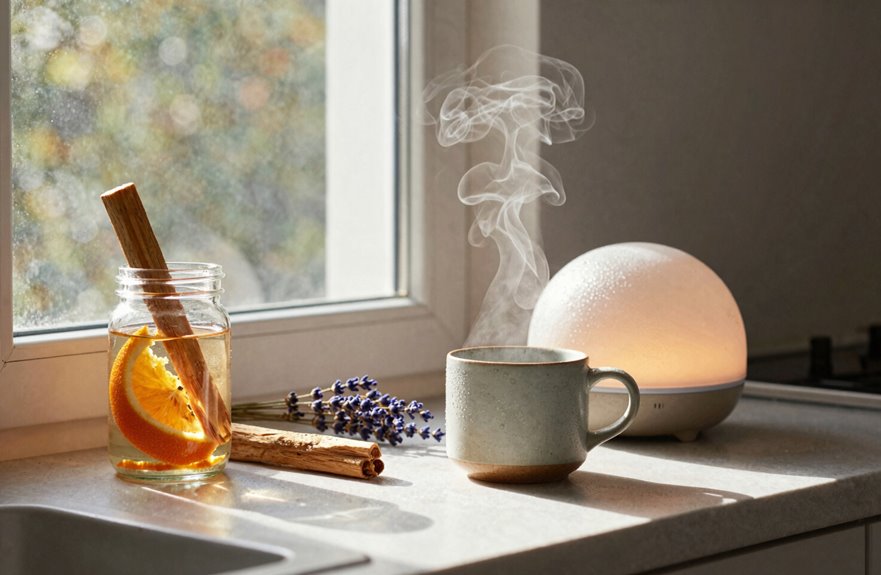
I’ve eliminated synthetic fragrances from my home, but that alone doesn’t guarantee fresh air. I need to find what’s actually making my home smell bad.

🏠 WARMTH YOU CAN SMELL Varonite’s Warm Home stovetop potpourri is a heartwarming blend of spices and fruits that fills your space with cozy nostalgia. Perfect for crisp fall days, holiday hosting, or simply creating a snug, welcoming atmosphere.

Simmer Pot Ingredients: Cinnamon sticks 30g, dried orange slices 20g, dried apple slices 15g, sage 20g, lemon slices 10g, 10g each of lilacs and star anise. A rich fall scents fragrance stovetop potpourri can bring you a sense of abundance, positive, confidence, comfort, and joy.

Autumn Potpourri Bags Set: our simmer pot potpourri includes 3 Individually Packaged Simmer Pot Blends: spiced citrus harvest, harvest citrus blend and amber harvest Each formula delivers a unique natural fall fragrance experience for your home, freshen indoor air and add an autumnal atmosphere
Common Odor Sources
I check these trouble spots first:
- Trash cans, garbage disposals, and refrigerators
- Laundry hampers and damp towels
- Pet bedding and fur

Certified Gentle & Safe Pet Carpet Cleaner Solution: Chlorine free, color safe, no hazardous propellants or residue; safe to use around pets and children; certified safe for all carpets with a Seal of Approval by the Carpet and Rug Institute (CRI)

FOR SEVERE DOG MESSES: Powerful enzymatic formula works to eliminate tough stains and odors from dog urine, diarrhea, vomit and other bio-based accidents.

1. DESTROYS URINE ODORS THE FIRST TIME Urine elimination technology neutralizes and removes odors on contact for immediate freshness
Cleaning Strategies
I don’t mask odors. I eliminate them. I wash bedding weekly, scrub pet areas with enzyme cleaners, and give my pets regular spa days with thorough brushing and washing. For musty smells, I remove spoiled items and address dampness or mold immediately.

𝐀𝐇𝐀𝐌 𝐕𝐞𝐫𝐢𝐟𝐢𝐝𝐞 𝐚𝐭 𝟑92 𝐬𝐪 𝐟𝐭.: Also cleans rooms up to 1,882 sq ft in 1 hour (941 sq ft in 30 minutes, 627 sq ft in 20 minutes, 470 sq ft in 15 minutes)

WHY CHOOSE AHAM VERIFIDE AIR PURIFIERS: AHAM (Association of Home Appliance Manufacturers) is an ANSI-accredited organization that sets strict standards for appliance performance. Air purifiers with the AHAM VERIFIDE seal have been independently tested for air cleaning performance and energy efficiency. When you choose an AHAM certified air purifier, you're choosing a product trusted for reliable and effective indoor air quality improvement
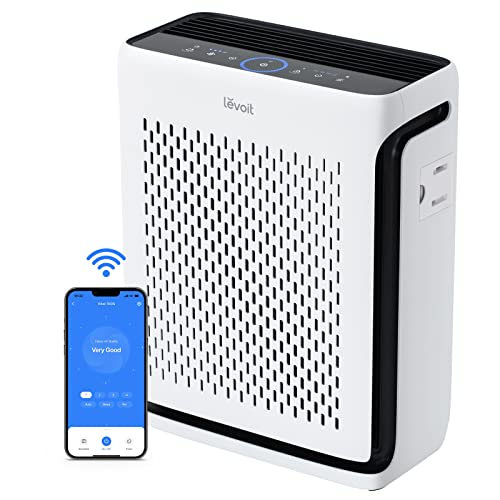
𝐖𝐇𝐘 𝐂𝐇𝐎𝐎𝐒𝐄 𝐀𝐇𝐀𝐌 𝐕𝐄𝐑𝐈𝐅𝐈𝐃𝐄 𝐀𝐈𝐑 𝐏𝐔𝐑𝐈𝐅𝐈𝐄𝐑𝐒: AHAM (Association of Home Appliance Manufacturers) is an ANSI-accredited organization that sets strict standards for appliance performance. Air purifiers with the AHAM VERIFIDE seal have been independently tested for air cleaning performance and energy efficiency. When you choose an AHAM certified air purifier, you're choosing a product trusted for reliable and effective indoor air quality improvement
Ventilation Matters
I improve airflow to prevent stale air buildup. Opening windows works best, though air purifiers help when outdoor conditions aren’t favorable. Proper ventilation stops odors before they accumulate.
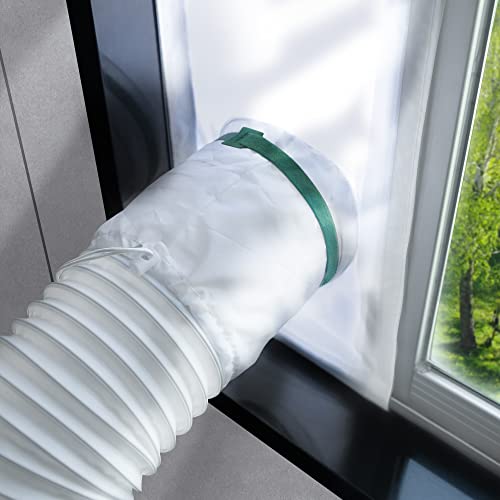
❄️【Adjustable Universal Size】LOVIGA Portable AC Window Seal Kit size in (Width)10x24~36 inch(Length), length is adjustable from 24~36 inch, matching all portable air conditioners and air dryers, fit horizontal or vertical SLIDING WINDOW ONLY (single-hung and double-hung).
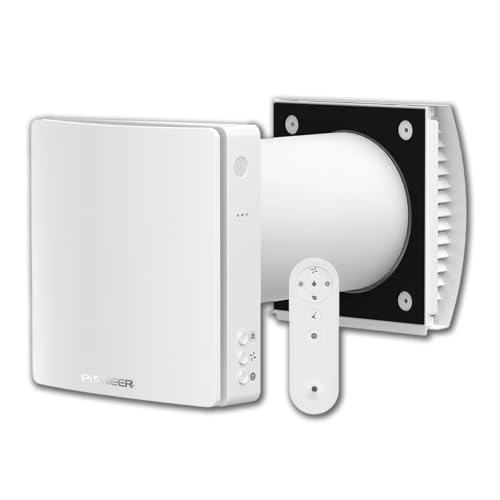
Ultra High Efficiency ECOasis ERV-rm Series Ductless Energy Recovery Ventilation System with 97% Heat Recovery| Minimal Energy Consumption with an Average Power draw of only 8W | Wall-Mounted with Variable Length Air Channel Duct to Suit Different Wall Thicknesses| Large Volume Air Output with Up to 35 CFM of Treated Airflow| Washable Re-usable Integrated Prefilters along with F7 (MERV13) Filter| Wi-Fi Controlled via Free Smartphone App (along with Standard Controller)| Rainproof Design with Hooded and Angled Outdoor Cover| Super-Silent Operation with a Maximum Sound Output of 32.7 dB(A)| Remove Room Air Pollutants: Filtration of air impurities such as MVOCs (Microbial Volatile Organic Compounds) along with removal of dust and other contaminants that commonly cause coughing fatigue and allergy aggravation| Freshen and Renew Breathing Air: Extraction of stale and stuffy room air while simultaneously introducing fresh outdoor air into the room to improve oxygen levels and overall quality of life| Minimize Strain on the Home Heating or Cooling System: By cooling the incoming hot outside air in summertime and heating the incoming cold outside air in wintertime the system intelligently prevents a change in indoor air temperature by using that outgoing stale indoor air to preheat or precool the incoming outdoor air depending on the season (Recommended to install two 50 Series ERVs to take advantage of this benefit)| Continuously Monitor Air Quality: A built-in CO2 sensor allows automated management of oxygen CO2 levels inside the room to maximize breathability| Power Supply: 110 ~ 240 VAC (50~60 Hz) with Plug-In Power Cord| Dimensions (WDH): 9-3/8" x 19-5/8" x 10-1/8"| Airflow w/ F7 Filter (Lo/Med/Hi/Max): 11.8 / 23.5 / 29.4 / 35.3 CFM | In-Wall Channel Span: 11" ~ 18-1/2"| Method of Control: Onboard Interface Handheld Remote Smartphone App| Product Weight: 11 lbs| Input Power (Lo/Med/Hi): 6 / 7 / 8 W| Water-Resistance Rating: IPX4| Diameter of Air Duct: 6-1/4"|User's Manual

3 IN 1 COMFORT - The Midea EasyCool Window Air Conditioner unit has three modes to help your house, apartment, office, or room be as comfortable as possible. It can cool a space up to 250 sq. ft. quickly, circulate air with its 3-speed fan, or reduce humidity utilizing the dehumidifier mode.
Air Out Your Home: Windows vs. Purifiers
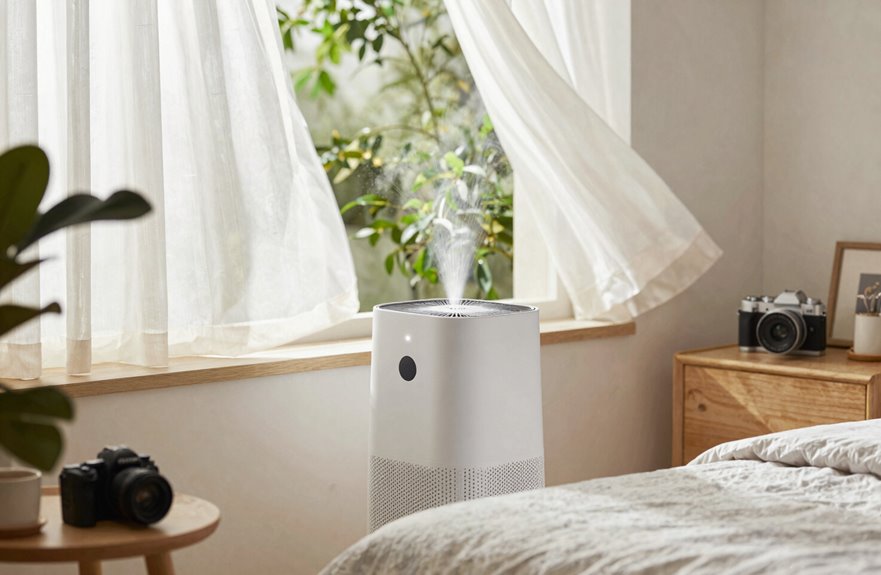
Several approaches exist for clearing stale air from my home, and I choose between them based on what’s practical at the moment. I open windows to air out stale indoor air and exchange it with fresh outdoor air, which improves ventilation and reduces odor buildup. When weather or location prevents this, I rely on an air purifier to elevate indoor air quality and remove odor particulates.
Consider these factors when deciding:
- Outdoor air quality determines whether window ventilation helps or harms
- Seasonal temperature extremes may make purifiers more practical
- Room size affects how quickly each method works
- Noise tolerance influences whether I prefer silent windows or humming machines
- Energy costs differ between free ventilation and running electrical devices
Both methods serve the same goal: cleaner indoor air through effective circulation.
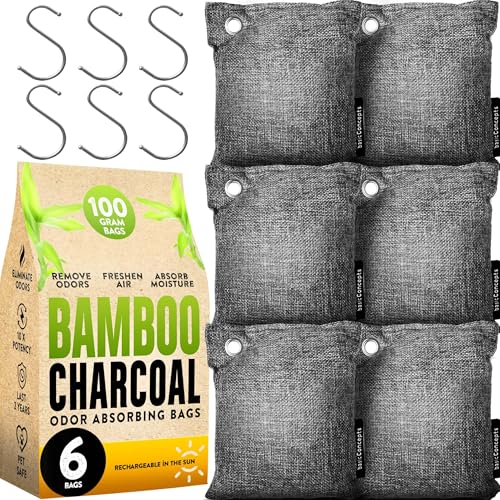
🚫 Remove Bad Odors - Freshen up your car, home or even shoes with our charcoal odor absorber. This bamboo charcoal air purifying bag act as a natural odor eliminator to remove unwanted smells. Think of your activated bamboo charcoal bags like sponges that absorb odor and freshen the air. This makes a perfect cat odor eliminator for home, basement odor eliminator, and air deodorizer odor eliminator.

POWERFUL SHOE ODOR ABSORBERS. Our 1.76oz activated charcoal bags utilize adsorption, where millions of micropores physically bind odor molecules to the surface. These charcoal bags for shoes are scientifically effective charcoal shoe inserts for footwear.

【Activated Charcoal】:This set includes 8 charcoal deodorizer bags (50g each) with hooks, designed to naturally absorb odors and moisture for a fresher environment.
Use Charcoal to Absorb Odors (No Scent Needed)
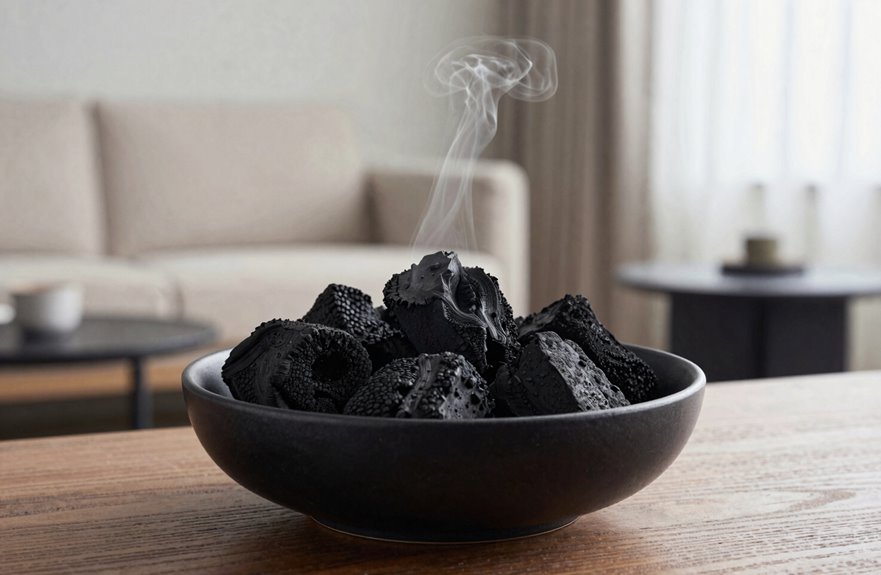
Use Charcoal to Absorb Odors (No Scent Needed)
When I need to eliminate odors without masking them with artificial fragrances, I turn to activated charcoal as my go-to solution.

7-Ingredient Simmer Pot Mix: Includes approximately 30g cinnamon sticks, 20g dried apple slices, 25g dried orange slices, 10g dried lemon slices, 10g star anise, 10g rose petals and 5g cloves, approximately 100g total for creating your own stove top simmer pot

🏠 WARMTH YOU CAN SMELL Varonite’s Warm Home stovetop potpourri is a heartwarming blend of spices and fruits that fills your space. Perfect for crisp fall days, holiday hosting, or simply creating a snug, welcoming atmosphere.
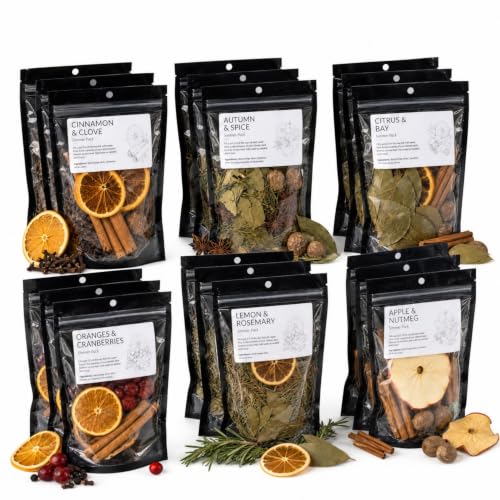
Simmer Pot Potpourri: you will receive 18 individually packaged fragrance sachets containing six exclusive seasonal fragrance combinations, each with a different blend of spices to create a distinct atmosphere; Capture the lingering scents of the season and let any kitchen feel like it's surrounded by a warm fireplace, autumn gatherings, and festive celebrations
How Charcoal Works for Odor Absorption
Activated charcoal binds odor molecules to its porous surface, delivering fragrance-free results. I place charcoal sachets in closets, near litter boxes, and pet areas where smells accumulate.

PET STAIN AND ODOR REMOVER: Works on pet accidents, wine spills, cloth diapers, laundry, disposals, garbage cans.

SPOT STAIN & ODOR REMOVER: Begins to break down and remove stains immediately on contact.

FOR CAT URINE MESSES: Begins to break down and remove stains immediately on contact.
Using Charcoal Effectively
- Position sachets in inconspicuous spots throughout your home
- Recharge charcoal bricks monthly by placing them in direct sunlight for several hours
- Replace or refresh sachets regularly to maintain efficiency

𝗪𝗛𝗬 𝗖𝗛𝗢𝗢𝗦𝗘 𝗔𝗛𝗔𝗠 𝗩𝗘𝗥𝗜𝗙𝗜𝗗𝗘 𝗔𝗜𝗥 𝗣𝗨𝗥𝗜𝗙𝗜𝗘𝗥𝗦: AHAM (Association of Home Appliance Manufacturers) is an ANSI-accredited organization that sets strict standards for appliance performance. Air purifiers with the AHAM VERIFIDE seal have been independently tested for air cleaning performance, safety, and energy efficiency. When you choose an AHAM certified air purifier, you're choosing a product trusted for reliable and effective indoor air quality improvement

𝐀𝐇𝐀𝐌 𝐕𝐞𝐫𝐢𝐟𝐢𝐝𝐞 𝐚𝐭 𝟑92 𝐬𝐪 𝐟𝐭.: Also cleans rooms up to 1,882 sq ft in 1 hour (941 sq ft in 30 minutes, 627 sq ft in 20 minutes, 470 sq ft in 15 minutes)

Effortless Operation: Simplified control panel with intuitive design makes it easy to operate. No complicated setup—just one tap, and you're on your way to cleaner air, saving time and letting you relax with ease
Maximizing Results
I broaden odor absorption by distributing charcoal across multiple locations. Pairing it with baking soda or white vinegar strengthens overall odor management without introducing scents. This approach keeps spaces genuinely fresh rather than artificially perfumed.

Effortless Cooling: Achieve optimal comfort with customizable temperature settings and two fan speeds; Effortless Temperature Control helps to maintain your preset temperatures for consistent comfort

NO MORE HOT AIR-HOOMEE window seal closes the gap around the exhaust hose of potable air conditioner between the window frame and window, help blocking the hot air out, keep cool indoor.
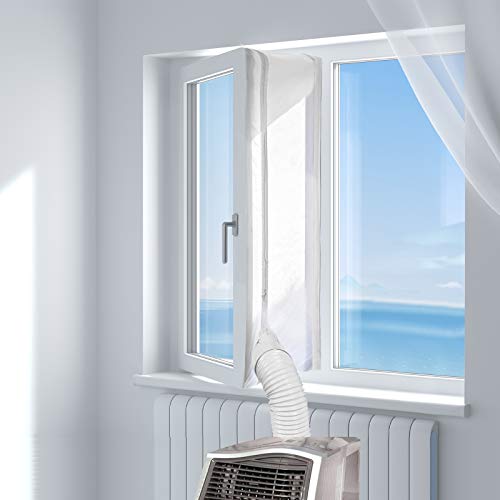
EFFECTIVE WINDOW SEALING: HOOMEE window seal closes the gap around the exhaust hose of portable air conditioner between the window frame and window, helping block the hot air out and keep cool indoor
Simmer Pot Recipes for Natural Home Scents

I’ve found that simmer pots offer one of the most flexible ways to fill your space with natural fragrance. Start with whole spices like cinnamon sticks and cloves, which release scent slowly and can be reheated multiple times. Add fresh elements such as citrus slices or coffee grounds for immediate impact. For heating, you can use a small saucepan on your stove, a mini slow-cooker for unattended simmering, or a tea warmer if you’re working with smaller batches.
Essential Simmer Ingredients
A simmer pot offers one of the simplest ways to fill your home with natural fragrance. I build my simmer potpourri from base ingredients that create effective scent waters without synthetic additives.
My essential components include:
- Citrus fruits (orange peels, lemon halves) for bright, clean top notes
- Fresh or dried herbs like rosemary, bay leaves, and thyme for earthy depth
- Whole spices including cinnamon sticks, cloves, and nutmeg for warmth
- Extracts such as vanilla, almond, or mint for subtle sweetness
- Optional essential oils for intensified fragrance when natural materials prove insufficient
I combine these elements in water, then heat to release aromatic steam. Ingredient selection directly affects scent quality and how long the fragrance lasts.
Heating Method Options
Once you’ve gathered your ingredients, the way you apply heat determines how quickly and intensely your space fills with fragrance.
Stove-Top Simmering
Stove-top simmering produces the strongest scent and fastest dispersion. High heat requires frequent attention. Check water levels regularly and top off as needed to prevent drying.
Slow Cooker Options
A slow cooker releases subtler aroma over multiple hours without constant monitoring.
Optimization Techniques
- Preheat water to boiling before adding ingredients to accelerate aroma release
- Maintain gradual heat for sustained scent
- Reuse mixtures 2–3 times, noting that higher temperatures yield stronger fragrance
- Add floating citrus slices or cranberries for visual appeal during simmering
DIY Natural Room Spray in 5 Minutes
How quickly can you transform your space with a custom scent? You can craft a natural room spray in five minutes.
Here’s what you’ll need for this DIY fragrance:
- 2 Tbsp Dr. Bronner’s Magic Soap or Sal Suds as your gentle base
- 10–20 drops of essential oils, starting small and adjusting to your preference
- Unscented water to fill the remainder of your spray bottle
- A secure spray top for easy application
- A cool, shaded storage spot to maintain scent stability
Combine the soap and essential oils first, add water, then shake vigorously. For a different approach, steep herbs or citrus peels in vodka for weeks, strain, and dilute. Always drip-test on a small area first, and use within days for optimal freshness.
Make Cinnamon Ornaments That Smell Good for Months
While sprays offer quick fragrance, I prefer methods that reward patience with lasting results. I make cinnamon ornaments by mixing applesauce and cinnamon into dough, then cutting shapes and air-drying them for 3–4 days. Alternatively, I bake them at 200°F for 3 hours. The ornaments harden and release warm, spicy scent for months.
| Method | Duration |
|---|---|
| Air-drying | 3–4 days |
| Oven drying | 3 hours |
| Storage refresh | As needed |
I stud whole cloves into the dough for extra aroma. Once dried, I hang these ornaments on furniture knobs or attach magnets for fridge use. To preserve their scent potency, I store them sealed and crush or warm them occasionally to reactivate the essential oils.
Tie Herbal Bouquets for Weeks of Natural Fragrance
I start by selecting aromatic plants like eucalyptus, lavender, sage, or rosemary for their potent, lasting scents. After bundling and air-drying these herbs, I hang them in closets or arrange them in bowls to serve as weeks-long natural fragrance accents. I occasionally crush the dried bouquets lightly to refresh their aroma, ensuring a continuous, chemical-free scent throughout my space.
Selecting Aromatic Plants
Herb bundles offer a straightforward, lasting solution for natural room fragrance without synthetic additives. I select aromatic plants that release sustained scent and tie them into herbal bouquets for weeks of natural fragrance throughout my space.
Consider these options when choosing your plants:
- Eucalyptus, lavender, sage, and rosemary form lightweight, potent bouquets
- Dried bouquets release essential oils when crushed lightly
- Fresh citrus peels with rosemary or bay leaves create layered aromas
- Sun-refreshing reenergizes scents in closets and pet areas
- Gift-ready pomanders preserve dried herbs in breathable containers
I match my selections to each room’s needs. Kitchens benefit from rosemary and bay, while bedrooms favor calming lavender. These herbal bouquets eliminate the need for synthetic chemicals in your home fragrance routine.
Drying and Displaying Bouquets
Once you’ve selected your aromatic plants, proper drying and display methods lock in their fragrance for lasting impact.
Drying Your Bouquets
Crush eucalyptus, lavender, sage, or rosemary lightly before tying. This releases oils and strengthens natural fragrance without electricity. Hang these bundles upside down in dry, dark spaces for two to three weeks. Lightweight, long-lasting dried bouquets result from this process.
Display Methods
Several approaches preserve and present herbs effectively:
- Pack dried bouquets in glass jars to seal scent
- Tie with twine for compact, gift-ready arrangements
- Combine with dried orange pomanders or cinnamon sticks for visual appeal
Maintaining Freshness
Re-crush partially dried stems and place bouquets where air circulates. This step refreshes and extends fragrance for weeks.
Add Scent to Cleaners Without Synthetic Fragrances
Why rely on artificial fragrances when you can scent your cleaners with natural ingredients. Essential oils provide potent, organic fragrance, starting with 10 drops per 16 oz bottle. Citrus peels infuse cleaners with bright, clean notes.
Skip synthetic fragrances—essential oils and citrus peels deliver powerful, natural scent for your homemade cleaners.
- Mix 10 drops essential oils into water-based All-Purpose Spray using Dr. Bronner’s or Sal Suds
- Steep citrus peels in vinegar solutions for 2 weeks before diluting
- Layer scents by combining rosemary, vanilla, and citrus peels in homemade formulas
- Add essential oils to baking soda scouring powder for surface deodorizing
- Assemble gift kits with unscented bases and custom essential oil blends
These methods reduce toxic chemical exposure while creating naturally scented spaces. Natural fragrance options avoid synthetic additives linked to respiratory irritation and allergic reactions.
Freshen Carpets With This 3-Ingredient DIY Powder
Carpets trap odors from daily life, but a simple powder restores freshness without harsh chemicals.
Creating Your Carpet Deodorizing Powder
GIY Scouring Powder serves as the base. Grind cinnamon sticks into the mixture to create a gentle, natural scent throughout your space.
Application Steps
- Test the carpet deodorizing powder on a hidden area first
- Sprinkle evenly across carpet surface
- Brush into fibers with a broom
- Wait 20 minutes
- Vacuum thoroughly
- Empty the vacuum immediately to prevent odor recirculation
Scent Options
Cinnamon provides an effective fragrance option, though you can use plain GIY Scouring Powder if you’re sensitive to fragrances. Both methods eliminate odors effectively without synthetic irritants.
This approach works well as part of a natural home care routine.
Scent Your Home by Baking (With Freezable Dough)
When I want my home to smell welcoming without relying on air fresheners, I turn to my freezer. Freezable dough lets me prepare batches of fragrant cookies in advance, storing them airtight until needed. I bake from frozen, filling rooms with natural fragrance without last-minute kitchen chaos.
I turn to my freezer. Freezable dough lets me prepare batches of fragrant cookies in advance, storing them airtight until needed.
My approach:
- Shape chocolate chip, molasses crinkle, or oatmeal scotchie dough into portions
- Freeze on baking sheets before transferring to airtight containers
- Bake cinnamon-spiced varieties with cloves and nutmeg for warm, immediate aroma
- Package ready-to-bake portions in glass containers with directions for gifting
- Combine with other natural scent methods, since baked fragrance complements broader strategies
This method delivers consistent results. The baking process distributes scent efficiently, and freezable dough ensures I’m always prepared for guests or personal enjoyment.
Pick Candles That Don’t Pollute Your Indoor Air
How do I keep my room smelling pleasant without compromising air quality? I choose my candles carefully.
Select Natural Waxes
I opt for beeswax candles, or those made with soy or coconut wax. These burn cleaner than paraffin, which releases petroleum-based pollutants into my air.
Check Fragrances and Wicks
I look for essential oils or third-party certified fragrances instead of synthetic scents. I also pick cotton, wood, or hemp wicks, avoiding metal cores that add contamination.
Skip Unnecessary Additives
I avoid dyed candles. When color matters, I select natural colorants only.
Maintain Ventilation
I always crack a window while burning. This simple step dilutes any remaining pollutants and reduces inhalation of harmful particles.
Keep Your Home Fresh: A 15-Minute Weekly Routine
I keep my home consistently fresh with a focused 15-minute weekly routine built around three core actions. The routine includes quick surface wiping, a linen refreshing ritual, and an air exchange boost, each designed to eliminate odor sources before they settle. These targeted steps prevent buildup without relying on artificial fragrances or time-consuming deep cleans.
Quick Surface Wiping
Why let odors settle into your space when fifteen minutes each week can stop them cold. Quick surface wiping transforms house smell management into a manageable habit. This routine delivers reliable odor control without overwhelming your schedule.
Here’s my method for tackling surfaces efficiently:
- Spray kitchen counters, dining tables, and bathroom vanities with GIY All-Purpose Spray to dissolve residue
- Dust electronics, shelves, and baseboards with a microfiber cloth to trap dust and pet dander
- Wipe trash cans, recycling bins, and laundry hampers, focusing on rims and lids
- Clean pet areas including beds, crates, and litter box surroundings
- Rotate freshened fragrances by replacing cloths and adding activated charcoal sachets
This systematic approach prevents odors from establishing themselves in your home.
Linen Refreshing Ritual
The Linen Refreshing Ritual tackles odor at its source: textiles that absorb daily life. A fifteen-minute weekly routine of washing blankets, towels, and pet bedding prevents odors from embedding in fabrics.
Weekly Washing Targets
- Towels and blankets: wash hot, dry completely
- Pet bedding: separate load, pre-treat stains
- Throw pillows and curtains: monthly refresh
Natural Boosters
Half a cup of baking soda or white vinegar neutralizes stubborn smells. Unscented charcoal sachets tucked in closets absorb residual moisture. When weather permits, airing textiles near open windows before washing accelerates odor release without synthetic sprays.
This ritual maintains consistent freshness throughout the home. Clean textiles improve air quality noticeably; the benefits become apparent to visitors immediately.
Air Exchange Boost
Where does stale air hide when windows stay shut for days? It lingers in corners, fabrics, and closed spaces. Consistent air exchange transforms a room’s atmosphere without artificial fragrances.
My weekly 15-minute ventilation routine works through these steps:
- Open windows fully for fifteen minutes to swap indoor and outdoor air
- Run an air purifier when window access is limited for continuous filtration
- Place unscented activated charcoal sachets in closets and pet areas for passive odor neutralization
- Recharge charcoal monthly in direct sunlight to restore absorption capacity
- Address odor sources directly by emptying trash, managing laundry, and cleaning pet spaces before adding any scents
This ventilation strategy creates a neutral baseline. Natural fragrances introduced afterward complement rather than mask your home’s true freshness.
When Natural Fixes Fail: 3 Last-Resort Options
What happens when you’ve tried every natural remedy and your room still smells off. These three options can help eliminate stubborn odors.
Activated Charcoal
Place fragrance-free charcoal sachets in closets, under beds, and behind furniture. They absorb smells without masking them.
Deep Cleaning Protocol
Tackle textiles directly. Wash all bedding, blankets, and curtains. If you have pets, provide thorough brushing, bathing, and drying.
Professional Intervention
For stubborn cases, consider professional odor control services or EPA-registered eliminators. When contamination runs deep, replacing heavily soiled furniture or addressing musty structural issues becomes necessary to eliminate odors effectively.
Turn Your Best Scents Into Giftable Kits
Once your room smells fresh, you can share that experience with others. I assemble giftable kits that let you spread natural fragrance throughout your circle.
Gift the freshness: natural fragrance kits that turn your circle into a community of scent.
- Package simmer potpourri in 2-cup jars with recipe cards and essential oil blends
- Include three scent combinations like Orange-Cinnamon-Spice and Lemon-Rosemary-Vanilla
- Add reusable charcoal sachets and mini spray bottles with low-tox recipes
- Provide storage labels for refrigerated or freezer-safe use
- Emphasize DIY philosophy with tips on eliminating synthetics and personalizing blends
Each kit contains airtight jars for easy giving. Recipients reuse batches 2-3 days, or store unused portions 1-2 weeks. You teach others to craft their own natural fragrance environment while building connections through shared, sustainable practices.