I’ll transform your upstairs hallway by starting with pendant lights rather than recessed fixtures. They draw the eye upward and create width where tunnel effects dominate.
Test paint samples under those actual lights, choosing warm neutrals with 60% LRV or higher to counteract cool LED tones.
Your end wall gets one large painting or three vertical prints, nothing else, while side walls carry board-and-batten for depth.
A patterned runner grounds the space, slim storage preserves traffic flow, and carefully placed mirrors bounce light without cluttering.
Each choice builds on the last to create a functional, visually balanced hallway.
Fix the Tunnel Effect in Your Long, Dark Upstairs Hallway
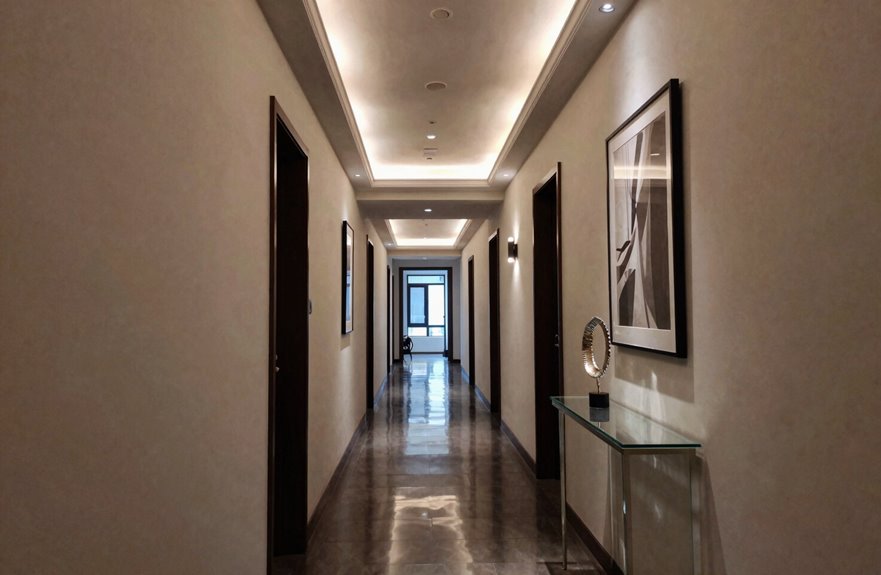
Why does your upstairs hallway feel like a cramped passage instead of an inviting space? The tunnel effect plagues most upstairs corridors, but you can transform yours with strategic hallway decor.
Create Visual Depth
Paint the end wall a dark colour. This draws the eye forward, making the space feel wider than it is. Hang one large painting there, nothing else on that wall. You’ll anchor the view without cluttering precious floor space.
Add Texture and Light
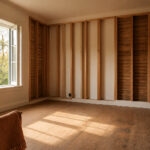
Install board and batten or light textures along side walls. These add brightness and depth without narrowing your corridor. The vertical lines break up monotony.
Keep It Open
Mount a tall, slim print arrangement or shallow storage. You’ll maintain visual openness while gaining display space. Your hallway becomes an invitation, not an obstacle.

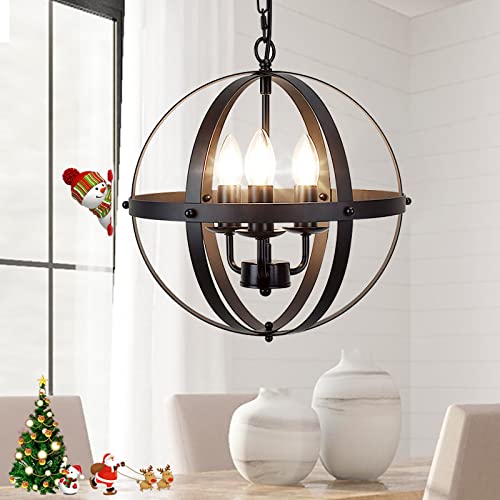
【 Walnut Wooden Pattern Pendant Light 】 ELYONA pendant light fixture classic walnut wood pattern with black metal shade, gold tone interior for a vintage look.The retro pendant lamp adds a touch of modern and industrial feeling. Ideal for kitchen island, dining room, living room, office, coffee bar, bedroom, beside nightstand. Add this industrial looking to your home now!

Elegant Modern Look: This ceiling light fixture features a metal frame with crystal accents that create beautiful light patterns across the ceiling when illuminated. The open-bottom design puts out plenty of light while making bulb replacement quick
CLASSIC FARMHOUSE STYLE DESIGN: A timeless elegance that never fades! Since 2019, we have won the hearts of millions of families! We are always here with you ! The most trust for your choice ! Choice this one , It will take surprise for you ! The shape of the earth, like mother's embrace!
Choose Lighting Before Paint: Pendants vs. Recessed
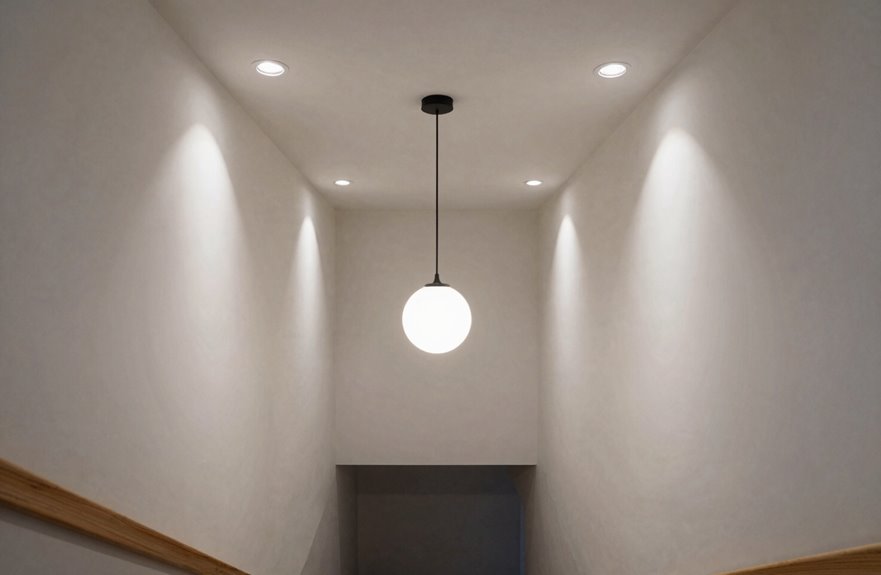
I always select lighting before committing to paint colors, because fixtures determine how wall hues actually appear. Pendant lights draw the eye upward and expand perceived width, while recessed options can flatten ceilings and create that tunnel effect we’re trying to escape. Establish your brightness strategy first with ceiling fixtures paired with end-wall illumination, then layer in lighter tones like Accessible Beige to complete the transformation.

All-in-One Design - Package of 20 premade molding trim slat + 4 decorative edge strip create instant board & batten walls
All-in-One Design - Package of 10 premade molding trim slat + 2 decorative edge strip create instant board & batten walls
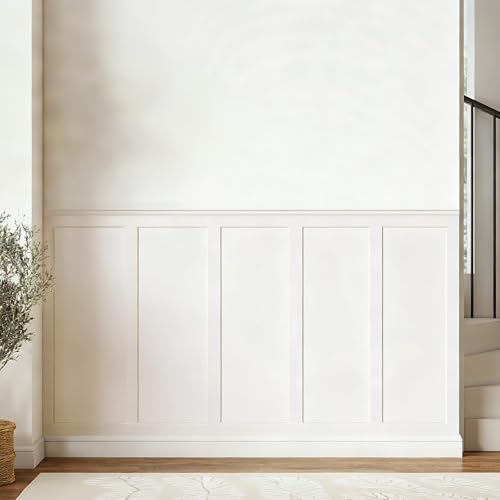
【Coverage】Includes 10 pre-cut wall molding slats and 2 shelf edge strips to create a clean board & batten look. (No peel-and-stick adhesive or nails included)
Pendant Light Benefits
How should you brighten a long, narrow hallway without making it feel like a tunnel? Pendant lights solve this problem effectively in hallway design.
| Pendant Light Feature | Practical Benefit |
|---|---|
| Upward visual draw | Expands perceived ceiling height |
| Adjustable focal points | Coordinates with wall color and trim |
| Ambient wall casting | Creates wider feel across space |
When selecting fixtures for a hallway, prioritize scale and spacing. Pendant lights distribute illumination evenly, eliminating harsh shadows that fragment narrow spaces. They integrate seamlessly with Accessible Beige walls and white trim, maintaining cohesive flow from adjacent rooms.
Consider your ceiling height when choosing drop length. Properly positioned pendants transform transitional spaces into intentional design moments. Functional lighting elevates everyday pathways into welcoming passages by providing strategic illumination and visual interest.
Recessed Light Drawbacks
Recessed Light Drawbacks
While pendant lights offer clear advantages for hallway design, recessed lighting presents specific challenges you’ll want to consider before finalizing your paint selection.
Why Recessed Lighting Falls Short
Recessed lighting can flatten your upstairs hallway into a tunnel-like space, particularly when natural light is scarce. Without vertical elements, your eye finds nowhere to rest, and the corridor feels confined rather than inviting.
The Missing Focal Point
Pendants draw attention upward, creating movement and interest. Recessed fixtures distribute light evenly but eliminate that crucial focal point your hallway needs to feel intentionally designed.
Paint Interaction Problems
Color temperature reacts differently with recessed lighting. Warm paint can appear muddy; bright tones may wash out. You’ll need to commit to your lighting plan before selecting paint, as predicting these effects is otherwise difficult.
Brightness Strategy First
Where should you begin when planning your upstairs hallway? Start with your lighting strategy, not your paint swatches. Choosing fixtures first prevents costly mismatches between ambiance and color.
Pendant lights brighten upward, widening narrow corridors without ceiling clutter. Recessed lighting offers subtle, even glow that minimizes shadows in long halls. In a well-designed hallway, pendant lights reduce the tunnel effect and draw eyes upward.
Pair warm pendants with light wall colors like Accessible Beige to enhance perceived width. When daylight is scarce, prioritize mid-to-end placements to illuminate artwork evenly. Layer overhead pendants with wall sconces for gallery displays.
| Fixture Type | Best For | Placement Tip |
|---|---|---|
| Pendant lights | Narrow, tall spaces | Centered, 7-8 feet high |
| Recessed lighting | Long, shadow-prone halls | Every 4-6 feet |
| Wall sconces | Artwork highlighting | Eye level, flanking pieces |
Pick Wall Colors That Respond to Artificial Light
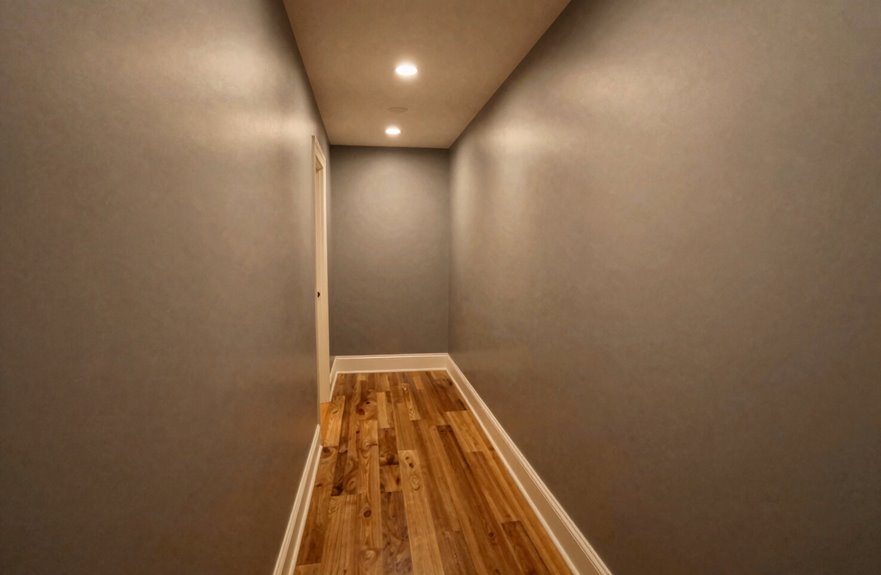
Test paint samples under your actual fixtures before committing, since artificial light shifts how colors appear throughout the day. Choose warm undertones (yellow, peach, or soft taupe bases) to counteract the cool cast that LED and fluorescent bulbs often produce. Check the Light Reflectance Value on paint cans, aiming for 60% or higher to bounce artificial light effectively and prevent the hallway from feeling cave-like.

Long, Narrow 2-Piece Set: Includes two framed panels, each measuring 8 inches wide by 56 inches high, including the frame. Display them side by side, stagger their heights, or hang them separately to suit narrow wall spaces in entryways, hallways, living rooms, and bedrooms.

[Framed Wall Art]: This set of 2 beige long vertical canvas wall pictures features slim wood frames that help support each tall 14x57 inch panel and give the artwork a clean finished look. The narrow shape is suitable for high walls, hallways, entryways, stairways, living rooms, or bedrooms

[Framed Wall Art]: This long narrow vertical wall pictures features teak-colored solid wood frames that give each 14x57 inch piece a warm, finished appearance. The slim upright format creates a balanced paired display while adding visual height without taking up much wall width
Test Paint Samples First
How can you be sure your chosen color won’t shift unexpectedly under hallway lighting? Test paint samples under artificial light before committing to any hallway color.
Sample Testing Method
Apply swatches to the end wall and adjacent walls, since color reads differently across long, narrow spaces. Observe how paint samples warm or cool as fixture light replaces daylight.
Key Comparisons
Check Accessible Beige and Extra White against your actual pendant lamps, ensuring trim and battens don’t cast unintended hues. Hold sample cards at different times to track shifts.
Final Selection
Choose a shade that maintains brightness under ceiling lights, avoiding that cave-like feeling. This step prevents costly mistakes and ensures your hallway feels welcoming day and night.
Choose Warm Undertones
Once you’ve tested your samples, you’ll want to narrow your focus to colors with warm undertones. These hues respond beautifully to artificial light, which matters when your upstairs hallway lacks windows. Warm neutral colors like beige and cream counteract dim conditions effectively.
To implement this approach:
- Select beige or cream shades that reflect artificial light and brighten the space
- Pair warm wall tones with white trim to maintain brightness in narrow hallways
- Test paint under your actual bulbs, since warm undertones shift between incandescent and LED lighting
- Choose warm neutral colors such as Accessible Beige to complement wood trim and flooring
- Finish multiple walls in the same warm family for seamless, inviting illumination from fixtures
Embrace Light Reflectance Value
Why Paint Colors Look Different in Various Lighting
The same paint color appears different upstairs than in the showroom due to variations in light reflectance and surrounding conditions.
Understanding Light Reflectance Value
Light reflectance measures how much light bounces off your walls. Pale colors like Accessible Beige reflect more artificial light, transforming dark hallways into brighter, more open spaces.

Chic Modern Elegance: The modern bordered area rug features a distressed geometric pattern that adds a unique artistic flair to any space. Its stylish design brings warmth and comfort, creating a relaxing atmosphere that makes you feel at home

Machine Washable & Easy Care: Keep your rug fresh with ease! Simply vacuum regularly, or for a deeper clean, toss it in the machine. Ideal as long kitchen runner, laundry room decor, entrance and hall way rug, or bathroom carpet.

Anti Slip Backing Rug: Our indoor entryway rug is designed with non skid backing,, which can firmly grip the ground. It is suitable for placing in high-traffic areas without worrying about slipping. Also protects your floors from stains and scratches. Low pile design is ideal for any area in your home and will not obstruct doorways. Perfect for busy home with kids and pets.
Practical Applications
- Pair pale walls with white trim (try Extra White) for high contrast that boosts reflectance without altering warmth
- Install ceiling and pendant lighting to draw eyes upward, eliminating that tunnel effect
- Add board-and-batten treatments in pale shades for texture that maintains brightness

Black Mirror Dimenson: Thin long oval mirror with black iron frame, measures around 45"X8", G.W: 9lbs, N.W 6.4lbs. Ligthweigt is easy for hang and decor your home.

【3-Door Shoe Cabinet with Full-Length Mirror】Boasting an updated integrated mirror design, this cabinet seamlessly matches all kinds of home decor styles. It works perfectly for entryways, hallways, living rooms and porches, tidying up your footwear clutter while maximizing limited floor space. The built-in full mirror also lets you quickly check your outfit before heading out

Narrow Arched Wall Mirror: Designed in a slim 12 x 50 inch vertical shape, this arched wall mirror adds height and visual interest to narrow walls without overwhelming the space.
The Nighttime Factor
Colors responding well to artificial light preserve perceived accuracy after sunset. This ensures consistent ambiance around the clock, maintaining the appearance of your hallway under both natural and artificial lighting conditions.

Modern Dining Room Light Fixture:The pendant lights feature a sleek black finish, exuding a stylish and contemporary aesthetic that enhances any space's ambiance. Pendant light is adjustable, allowing you to customize the cord length to 39.5 inches, adapting to your preferences and spatial needs.

【Product Dimensions】Lampshade Dimensions: 6.89"Dia.x7.48"H(17cmx19cm),Adjustable Chain Length: 59"(150cm). Polishing brass accessories are less prone to rusting, durable, anti-oxidation and moisture proof. INCLUDING A Bulb (G45, 6W,2700k). With a rotary switch, need Hardwired. Shenmoyl pendant light has obtained CEC certification.

【Modern & Farmhouse Design】Combines wood grain with black metal in a square presentation, the two frames can be revolved to fully perpendicular or one is inside the other according to needs, this simple yet artistic pendant light adds a farmhouse, vintage, rustic, and stylish charm to your home
Gallery Wall or One Big Piece? Solve the Art Dilemma
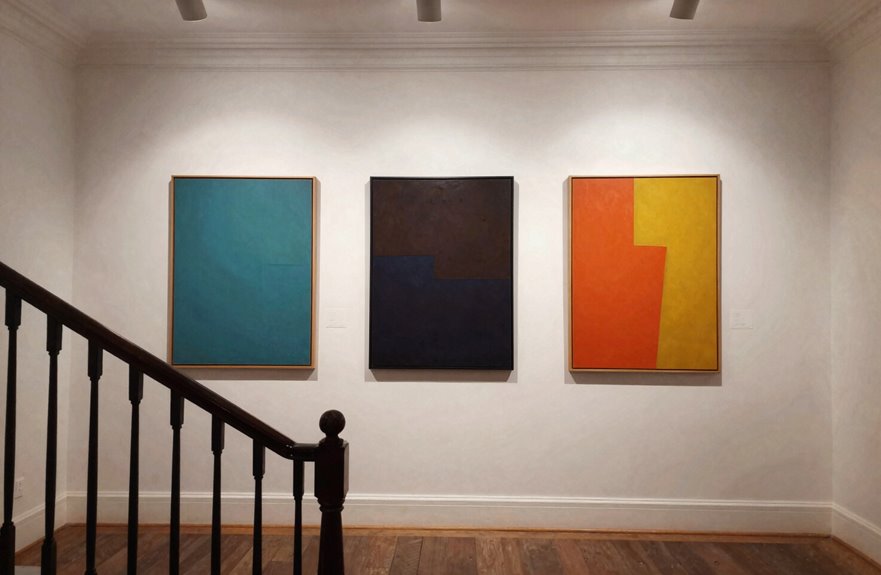
While the upstairs hallway often gets overlooked, choosing the right wall art can transform it from a forgotten passageway into a deliberate design moment. Consider both gallery wall arrangements and single statement pieces based on your space constraints.
- Stack three medium prints vertically on narrow end walls to guide the eye upward without crowding
- Select a really large painting for minimal floor impact and distant visual intrigue
- Install long tall prints along walls to complement perspective and maintain cohesion
- Skip full-length mirrors opposite art to prevent formal compression of corridor space
- Rotate arrangements seasonally using either format to refresh without added bulk
Both approaches work. Gallery walls offer collected personality through multiple pieces. One large painting provides bold simplicity. Your hallway benefits from intentional choice between these two options.

Board and Batten Wall Design : Include 10 premade molding trim slats and 2 decorative edge strip. No measuring or extra shopping. Everything you need for a accent wall, ready to assemble right out of the box

【Create a Professional Board and Batten Accent Wall】Upgrade plain walls with a timeless board and batten design. This premade wainscoting panel kit includes 12 pre-cut wall molding slats and 3 decorative edge strips, providing coverage for walls up to 118 in x 45.3 in. Designed to simplify installation, it eliminates complicated measuring and cutting while helping create elegant wall paneling, accent wall panels, and decorative wall molding for living rooms, bedrooms, hallways, dining rooms, and other interior wall decor projects.
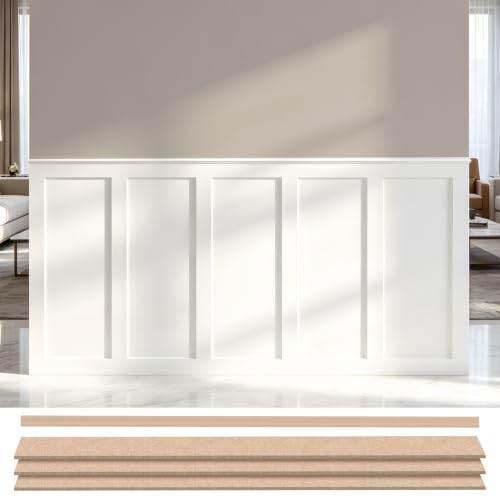
[Complete Board & Batten Wall Makeover] Refresh plain walls with a timeless board and batten design using one convenient kit. The premade panels and matching molding trim help create a clean, custom-built accent wall while reducing measuring, cutting, and assembly for a faster DIY installation.
Ground the Space With a Patterned Runner
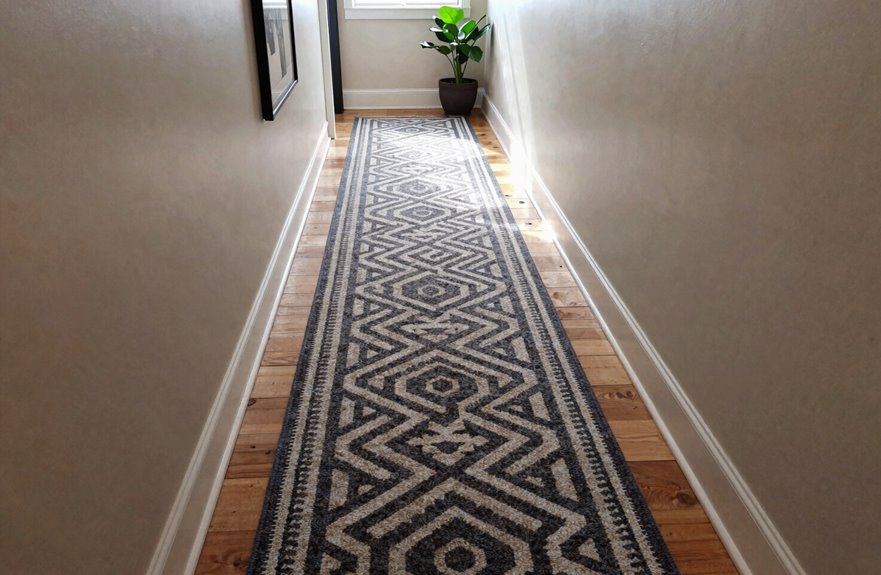
A patterned runner transforms your upstairs hallway from a shifting afterthought into a cohesive design element. The right runner adds visual interest while grounding the space and tying together wall color, flooring, and furniture accents.
| Pattern Type | Best For | Pair With |
|---|---|---|
| Cheetah print | Narrow hallways | Neutral walls |
| Geometric | Modern spaces | Minimalist décor |
| Floral | Traditional homes | Vintage accents |
| Striped | Lengthening short halls | Solid-colored art |
| Abstract | Eclectic styles | Bold end-wall pieces |
Choose a runner with durable, low-pile material and a scale that complements your hall’s length to avoid crowded visuals. Coordinate the runner’s colors with end-wall focal elements like wreaths or artwork to create cohesive focal flow. Pair your pattern with lighter wall colors and upward-looking lighting to maximize brightness and reduce tunnel effects in long, dark halls.

[Framed Wall Art]: This set of 2 long narrow vertical wall paintings features sturdy black frames with a 35mm thick frame profile, helping support each tall 20x60 inch panel and giving the artwork a clean, finished look. The thicker framed edge adds structure and makes the tall panels feel more complete on the wall

【Large Vintage Landsape Wall Art】Bring a calm countryside view to your home with this 60x20 inches large framed vintage canvas wall art set of 2. The soft green landscape, river scene and nature paintings create a retro pastoral look for your living room, bedroom, hallway, entryway, dining room or home office

[Framed Wall Art]: This set of 2 long narrow skinny wall pictures features teak-colored sturdy wood frames that help support each tall 14x57 inch panel and give the artwork a clean finished look. The slim vertical shape works well for narrow walls, high walls, hallways, or entryway spaces
Squeeze In Slim Storage Without Blocking Traffic
Once your runner anchors the hall’s visual flow, you’ll notice the walls begging for purpose beyond decoration. Smart hallway storage transforms dead space into functional territory without sacrificing movement.
To maximize slim storage in narrow passages:
Transform your hallway’s dead space into functional territory with smart, slim storage solutions that keep traffic flowing.
- Mount a shallow bookshelf or slim console to gain display space without intruding on walkways
- Install vertical storage solutions, such as tall narrow bookcases or wall-mounted shelves, to exploit wall height
- Select slim-profile storage with doors or baskets to conceal clutter while maintaining openness
- Blend storage with decorative elements like plants or art to avoid bulky furniture
- Position low-profile benches or storage ottomans for seating and hidden storage that preserves traffic flow
These strategies keep your hallway navigable and purposeful.
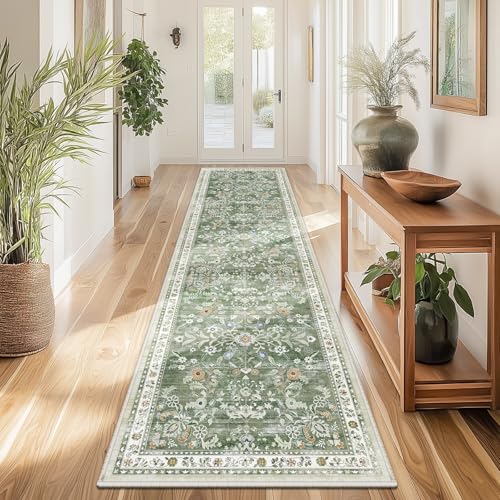
【Floral Design & Soft Runner Rug】Yamaziot boho floral runner rug is made of 100% polyester faux wool which is luxury soft underfoot and bare-feet friendly. This vintage kitchen runner has a unique beautiful printed floral pattern and a trendy faded style. It has elements of accent, boho and traditional to give an elegant look to your home.
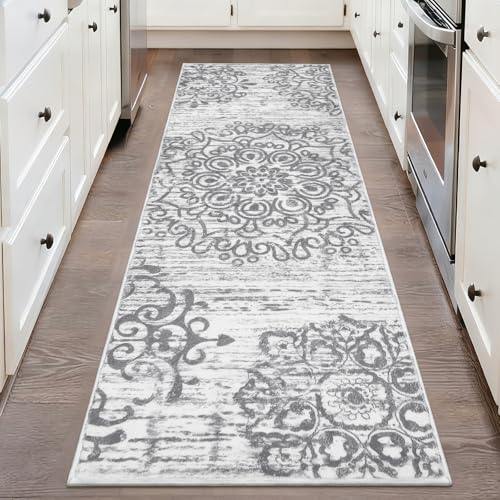
Comfort Boho Distressed Rugs Runner: The vintage runner rug is 2 X 6 feet, that enable you get enough space,the 0.39inch polyester faric, surprisingly soft for being touch plush yet stand up to high traffic, which is comfortable, warm and durable, providing great comfort for your bare feet.

Soft Comfort & Certified Materials — Made from soft 100% polyester carpet material certified to OEKO-TEX STANDARD 100, this washable rug offers a cozy, comfortable feel underfoot. Available in compact, runner, and room-size options, it adds warmth to entryways, hallways, bedrooms, home offices, living rooms, and dining areas. Inviting for barefoot use and active households, it brings together everyday comfort, versatile style, and trusted material standards.
Widen the Walls With Mirrors: If You Actually Want Them
Why hang a mirror in a narrow hallway? Mirrors add width without overwhelming your space when used correctly.
Choose the Right Style
Full-length mirrors in slim corridors feel cluttered. Instead, select slim vertical mirrors, mirrored gallery panels, or staggered groupings. These options reflect light while preserving visual breathing room.
Position for Maximum Effect
Place mirrors opposite windows or light fixtures. This placement bounces natural and artificial light, instantly doubling perceived width.
Balance Your Composition
Pair mirrors with pale wall colors and minimal frames. Adjacent artwork prevents sterile reflections without crowding the corridor.
Maintain Over Time
Rotate surrounding prints seasonally. This refreshes the space without adding bulk.
Mirrors expand your hallway’s width through reflection, not excess, when deployed strategically.

Dimenson:Mirror with frame 44"X8"

Aluminum Frame for Bathroom Spaces: Designed for bathroom vanity walls, the aluminum frame provides a clean, modern profile suited to everyday bathroom use.

【6-Mirror Door Entryway Hero】 Doubles as a floor-length mirror and a high-capacity shoe closet. The 6 sleek mirror doors provide a crystal-clear reflection for daily outfit checks while visually expanding your narrow hallway. This modern entryway solution keeps your home organized and stylish, hiding cluttered shoes behind a luxury mirrored facade.