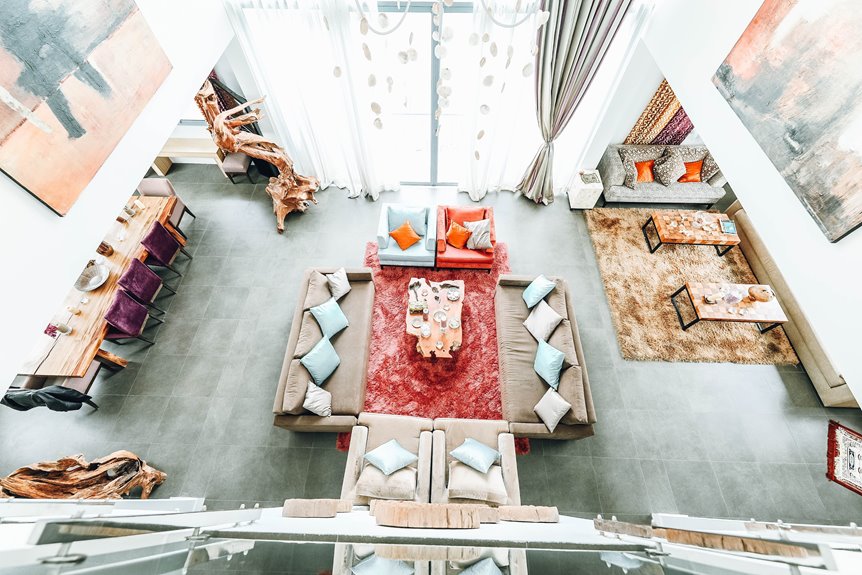
To make your small living space feel bigger, start by planning the layout before anything else. Furniture placement drives openness, and you should always leave 30-inch pathways. Float pieces away from walls for breathing room and use an oversized rug with front legs on it to ground the area. Hang curtains 6-12 inches above windows to stretch the ceiling vertically. Match wall color to natural light, using high-LRV shades in bright rooms and deeper tones in dim spaces. Add oversized mirrors to double visual space and edit ruthlessly to eliminate clutter. Each trick builds on the next to create a more spacious environment.
Plan Your Layout First: Before the Paint Goes On
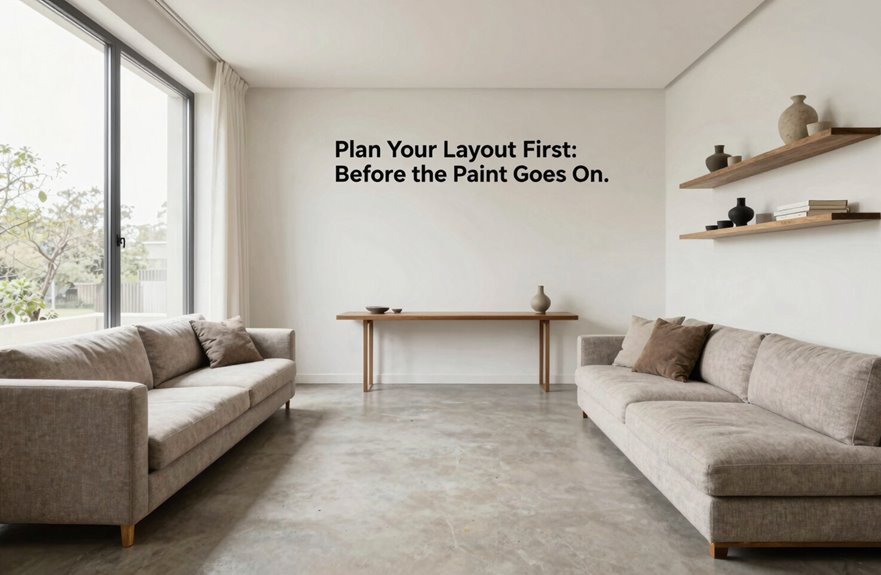
Where do you start when every square foot counts? You plan your layout before you touch a paintbrush.
Plan your layout before you touch a paintbrush—because in small spaces, every square foot demands intention.
Furniture arrangement drives openness, not color. Test your flow first. Map movement paths that let you walk without squeezing past chairs. Give yourself pathways: at least 30 inches around seating.
Your method:
- Choose one focal point. One anchor piece. This guides every decision.
- Position your seating to face that focal point.
- Use rug anchoring to ground the area; your front legs belong on the rug.
- Check that breathing room exists between pieces.
Virtual interior design can deliver this cohesive plan without structural changes. You’ll get actionable layouts and sourcing guidance.
Paint comes last. When your layout works, your small space functions as intended.

Key Attributes:Size: 12' x 15' (144 in. x 180 in.) | Thickness: low pile,Thin| Color: Beige, Grey, Brown | Backing: Non-Slip Rubber | Easy Care: Machine washable and easy to maintain | Family-Friendly: Made with safe components, perfect for homes with children and pets

Trendy Modern Rug: Our area rug is designed in today's popular minimalist style, featuring adaptable printed patterns that seamlessly blend into a wide range of interior aesthetics. This neutral rug adds understated elegance with a strong feeling of individuality to your living room, bedroom, dining room, nursery or playroom.
Float Your Furniture to Create Breathing Room
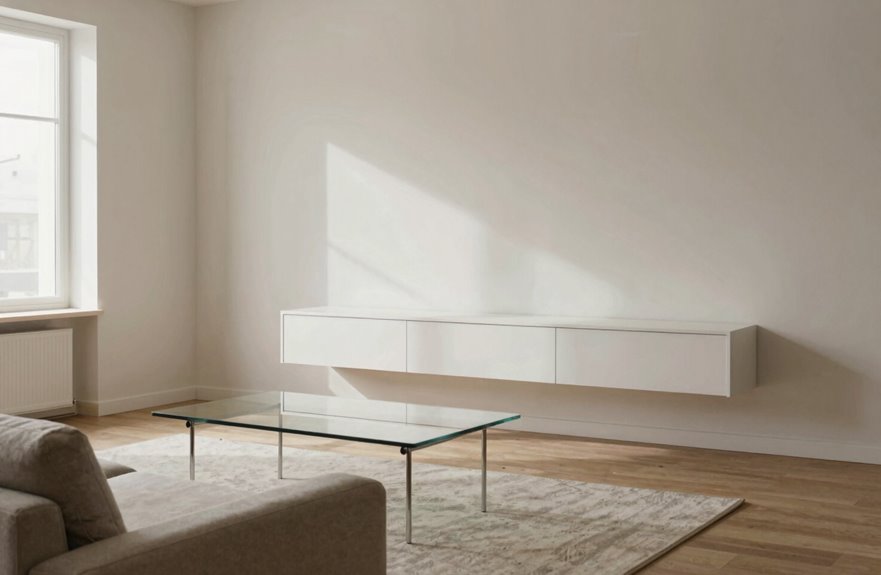
Why does a room feel smaller when every piece hugs the wall? Pushing furniture against walls creates a cramped, boxy feel rather than maximizing small living spaces.
Float Your Furniture for Spaciousness
When you float key pieces away from walls, you gain breathing room. Position your sofa several inches out and place a slim console behind it. This furniture placement improves visibility around seating and establishes clear pathways for movement.
Actionable Steps
- Pull your largest anchor piece into the room, leaving generous walking space behind
- Maintain 30-36 inch pathways around all furniture
- Ensure the eye can travel around each piece for an open feel
This technique transforms tight quarters into welcoming spaces where you’ll actually want to gather.

Note: Total Length: 78.8 inches — Made by combining two 39.4-inch sofa tables.

【Innovative Wall-Mounted Design】Unlike wobbly floor-standing tables, our wall-mounted sofa table behind couch is closely attached to the wall without any gaps, eliminates shaking and tipping issues completely, ensuring safety and stability for your space while freeing up valuable floor space - maximizes your sofa side space while creating a more coordinated space

【Patent Pending, Design Protected】 This product features a unique and original design that is fully protected by a pending patent application.
Size Up Your Rug to Ground the Small Room
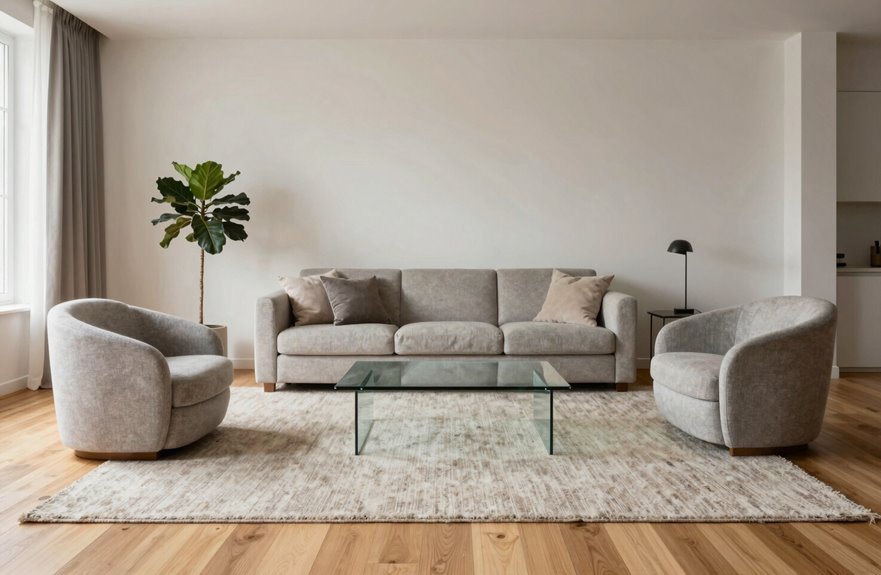
How often have you seen a postage-stamp rug floating in the middle of a room, making the entire space feel disjointed and smaller than it actually is? A small rug breaks room balance and shrinks space perception instantly.
Scale Your Rug for Maximum Impact
Rug scale determines whether your space breathes or suffocates. An oversized rug creates a grounding area that anchors your seating arrangement and establishes defined zones without walls. Size up so most furniture sits on the rug, not beside it.
Key Placement Guidelines
- Leave visible floor around edges; this maintains an open feel
- Position front legs of sofas and chairs on the rug
- Avoid clustering multiple small rugs, which fragments the room
Proper furniture placement on one large rug achieves superior grounding. This approach creates cohesion, improves spatial flow, and transforms cramped quarters into welcoming, balanced territory.

Low Profile Design:The door mats is lightweight, long lasting and low profile,putting welcome mat under the door will not affect the opening or closing of the door. Water...
Hang Curtains High to Stretch the Ceiling
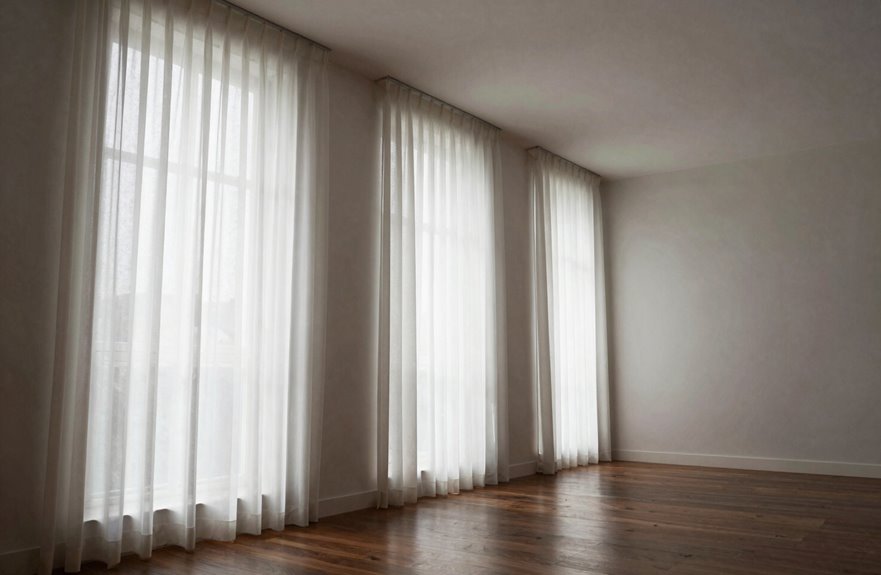
Although standard curtain placement might seem intuitive, mounting rods at window level actually compresses your vertical space and undermines the room’s potential height. Strategic curtain rod placement creates a room height illusion that transforms your space.
Position Your Hardware Higher
Mount your curtain rod 6 to 12 inches above the window frame. Extend it 5 to 10 inches beyond each side. This window treatment technique draws eyes upward, amplifying perceived ceiling height.
Choose the Right Fabrics and Length
Select light-weight fabrics that permit natural light diffusion while maintaining privacy. Hang panels that kiss the floor for a seamless floor-to-ceiling look. This eliminates visual breaks that fragment vertical space.
The result is an open feel that makes your compact living area appear significantly more expansive and welcoming.

12" Extra Long Bracket: Measuring 12 inches(30.48 cm), our curtain rod brackets are significantly increasing the distance between rods and ceilings, perfect for hanging plants or vertical gardening.

Longer Design --- Our ceiling mount curtain rod bracket has a 10 inch length, longer than most standard brackets on the market. The bracket is excellent for when you need a rod and cannot attach it between two walls. This curtain rod holder is ideal for large living rooms, high ceiling spaces and spacious bedrooms with floor to ceiling windows.
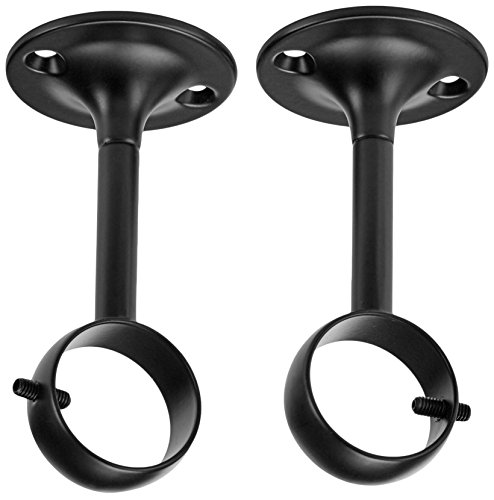
Set of 2 curtain-rod brackets mount securely to a ceiling or wall
Match Wall Color to Your Natural Light
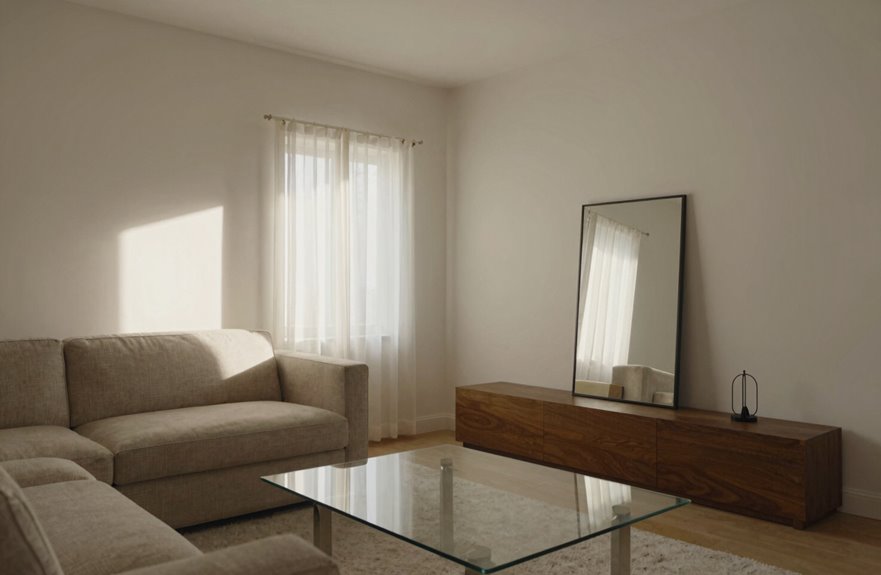
Natural light shapes how colors behave in your space, making it one of the most effective ways to manipulate perceived dimensions through wall color selection.
Natural light transforms wall color into a powerful tool for reshaping how spacious your room feels.
Understanding the Light-Color Relationship
Natural light directly determines which wall shade expands your perceived space. The approach differs by room conditions:
- Bright rooms: Choose lighter colors with high-LRV (65+) to maintain openness
- Dim rooms: Select deeper tones. Blue or teal creates a cozy yet spacious feeling in low-light conditions, while taupe tends to feel flat
Achieving Proper Color Balance
Your color balance depends on room brightness. Ensure color flow by using consistent undertones across adjacent walls. Secondary spaces tolerate bolder choices without shrinking the perceived area.
Layer ambient lighting to support your wall color after sunset. This prevents harsh boundaries and preserves the dimensional illusion you’ve created through strategic color selection.

【Arched Top Mirror】The full length mirror is arched floor mirror 76in x34in,this mirror is perfect for creating a focal point in anytime, The sleek and sturdy frame is made of high quality allumium alloy,providing both durability and a touch of morden flair

Arch Full-Length Mirror : 76" x 34" Arched-top full length mirror. The full length wall mirror could make you more light, beautiful and confidence. The Arched-top mirror makes your bathroom more elegant and classy, which especially attracts your eyes. Ideal for decorative bathroom makeup mirror to make the space more brighter and spacious

【𝗗𝗘𝗦𝗜𝗚𝗡 𝗦𝗧𝗬𝗟𝗘】The mirror full length is a good choice for you to see yourself and your outfit better while also helping a room appear large and brighter. this full length mirror come in size 70" x 26", It is very like a art through time, adding a wider visual experience to the home.
Use Oversized Art or Mirrors to Double Visual Space
One oversized piece transforms a cramped wall into a visual escape route. Oversized art serves as an anchor piece that commands attention without crowding. A single bold canvas preserves negative space, creating a spacious feel that multiple small frames cannot achieve.
Mirrors double visual space instantly. Position them to reflect light from windows, amplifying brightness and depth across the room. When mirrors capture architectural features, they extend boundaries visually.
Placement determines success. Hang oversized art or mirrors opposite windows or beside lamps to maximize how they reflect light and expand perception.
One anchor piece combined with calm surroundings builds a cohesive focal point. This method adds dimension without clutter, proving that scale rather than quantity creates a sense of spaciousness in compact homes.

Ultra Fluffy Living Room Rug: 8x10 living room rugs is made of high-quality microfiber and memory foam. Soft and comfortable touch, you will feel like walking on the clouds whether you are standing, sitting or lying. While enjoying the warmth and comfort, this rug will not shed, making it an ideal choice for the bedroom, living room or nursery.

Soft Comfort & Certified Materials — Made from soft 100% polyester carpet material certified to OEKO-TEX STANDARD 100, this washable rug offers a cozy, comfortable feel underfoot. Available in compact, runner, and room-size options, it adds warmth to entryways, hallways, bedrooms, home offices, living rooms, and dining areas. Inviting for barefoot use and active households, it brings together everyday comfort, versatile style, and trusted material standards.

[Striking Abstract Design]: Our abstract modern rug stands out with a striking mix of bold color blocks and eye-catching organic textures. It brings a touch of cutting‑edge elegance to living rooms, bedrooms, kids’ rooms and more, and fits right in with minimalist styles without even trying.
Edit Ruthlessly: Clutter Shrinks Rooms
How quickly does a room shrink when clutter takes hold? I’ve watched it happen in my own space. Surfaces disappear, pathways narrow, and suddenly I’m navigating obstacles just to cross the room. Decluttering isn’t about minimalism; it’s about reclaiming your territory.
| Clutter Problem | Solution |
|---|---|
| Stray items everywhere | Create designated places for daily objects |
| Competing small decor | Choose minimal decor with large anchor pieces |
| Busy walls and corners | Preserve negative space for eye travel |
I maintain open sightlines by keeping floors and tabletops clear. This builds visual breathing room and improves room flow. Every clutter-free surface invites movement. I practice restraint with accessories, allowing the eye to rest. When I edit ruthlessly, I preserve personality while gaining functional space that responds to how I actually live.

【2 Flexible Power Strips】This long console table features 2 built-in power strips, each with 2 AC outlets, 1 USB port, and 1 USB-C port. And guess what? You can place the outlets anywhere along the narrow sofa table (except the center board) to fit your setup. Whether you're charging a laptop, phone, tablet, or game controller, you won't need to bend over or struggle with wall outlets blocked by furniture anymore

Sofa Table With Charging Station: We know what you need, the sofa table is equipped with 2 outlets, 2 USB ports and 78-inch power cord. In addition, you can place the power strip where you like by adjusting the tabletop section. Let your mobile phone, laptop, lamp and other electronic devices charge in an orderly manner

【Sleek & Functional Charging Solution】Designed to fit seamlessly behind your sofa, this 78" narrow console table features a built-in power strip with 2 AC outlets, 1 USB-A port, 1USB-C port and a 4.9ft power cord. Easily charge your laptops, phones, lamps, and more while keeping your space clutter-free.