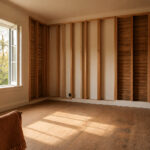
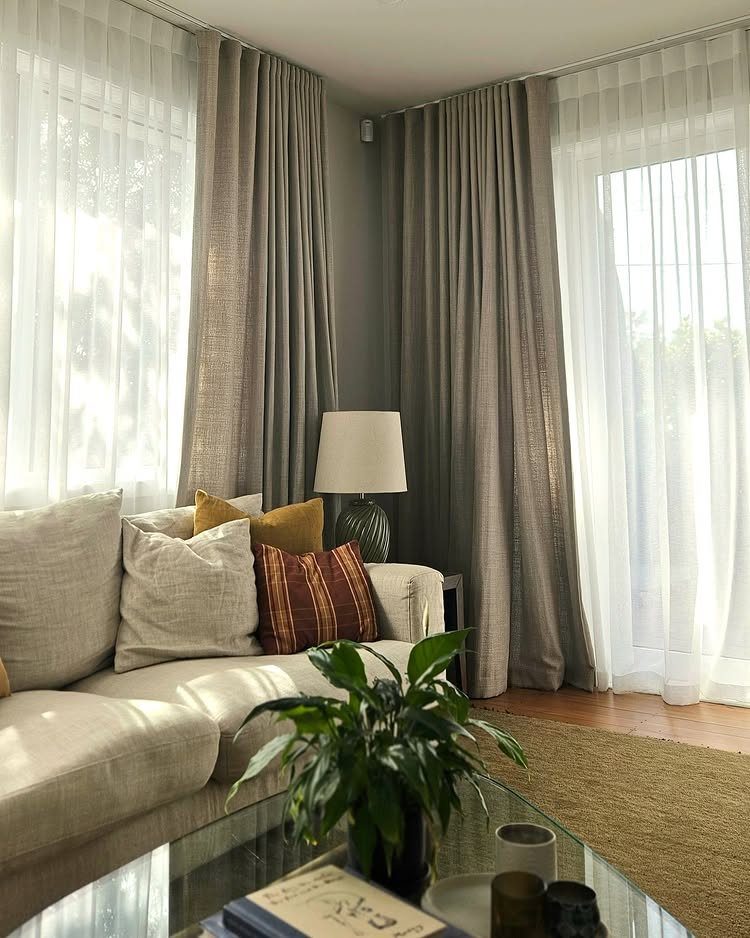
Living room curtains range from sheer panels that filter light without blocking it to layered setups that pair blackout fabric with sheers for full control over brightness and privacy.
The right choice depends on how much natural light the room gets, whether you need coverage at night, and whether the windows themselves are the focal point or the curtains should carry decorative weight.
1. Sheer Curtains
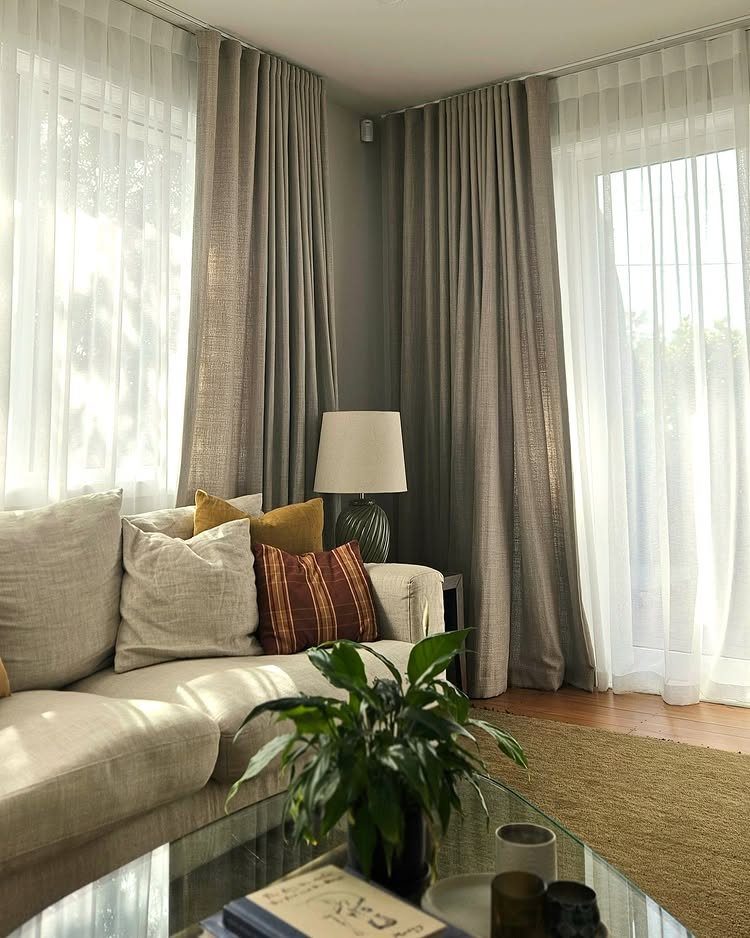
Sheer panels filter sunlight without blocking it, which keeps a living room bright while still softening the glare. I use them when privacy isn’t the main concern or when the room faces a garden or quiet street.
They add a layer of texture without visual weight, so the windows feel finished but the room stays open. If you need more coverage at night, sheers pair well with heavier drapes or blinds underneath.

WELL MADE: Sold as 2 panels, each panel is W52" x L84", and W104" x L84" in total. Each curtain panel has 2-in-1 top style design: rod pocket and back tab. With 3-inch inner diameter fit most standard rod. Curtains also can be hung with clip rings. 3 ways meet your various needs.

STANDARD MADE: Curtains are sold per pair. Each pack contains 2 blackout functional curtain panels. Each panel measures 52" W x 84" L | Pair measures 104"W x 84"L. Thread trimmed and wrinkle free, each piece is constructed with 8 anti rust grommets which fit well up to 1 1/2 inches curtain rods for effortlessly installation and sliding

- Custom Design Fabric:To reduce budget while keeping the linen/cotton organic characteristics,XTMYI R&D designer makes this stone-washed ultra soft yet linen look blended fabric - 20% cotton,20 linen,60% polyester.It drapes well,medium thick,airy and breathable in hot summer.
2. Velvet Curtains
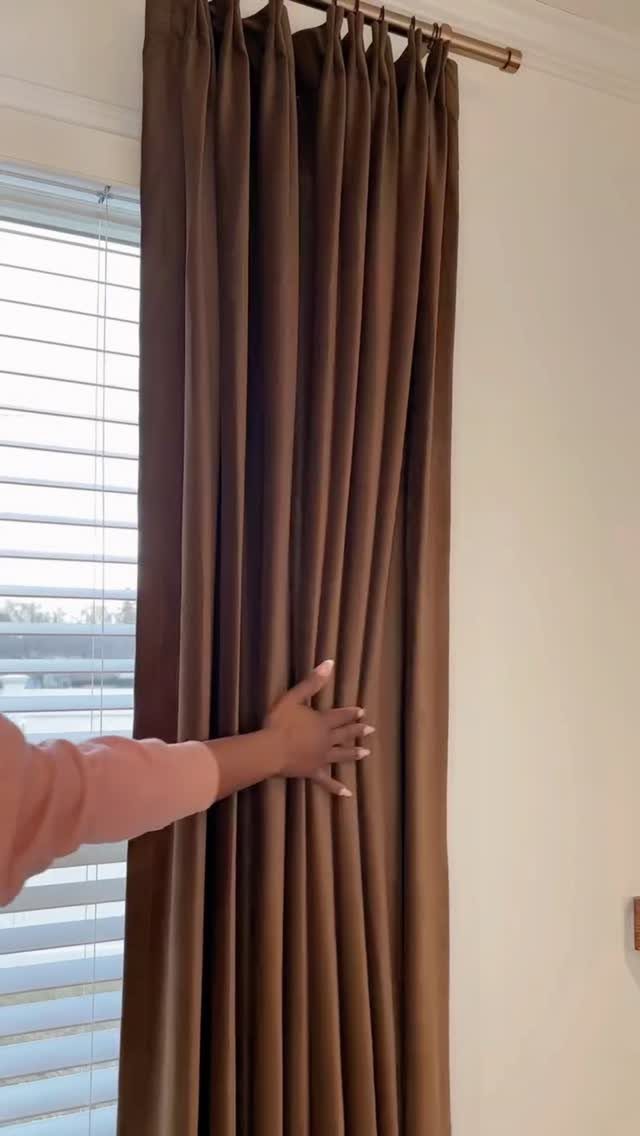
Velvet brings weight and richness that lighter fabrics can’t match. The texture catches light differently depending on the angle, which gives the curtains a subtle depth even in a single color.
I reach for velvet when a living room needs to feel warmer or more formal. The fabric naturally falls into heavy, clean folds that stay in place without much fussing.
Velvet does block more light than cotton or linen, so it works particularly well in rooms where you want some control over brightness.

Basic Information: Includes 2 curtain panels, each measuring 50 inches wide for a total of 100 inches. Easy care for machine washable in cold water, do not bleach, tumble dry low, iron on low heat if needed.

READY MADE: 2 Linen Curtain Panels per package.Each panel measures 52 inches wide by 96 inches long. Top design of Back tab & loop pocket provide 3 hanging options. <1> hanging from the back patch to create an elegant pleated look, <2> from the 3 inch rod pocket for a classic look <3> Hanging with clip rings for easy, slide open and closed (clip rings are not included)

Packing Detail: The package includes 2 natural ivory linen curtains and each linen textured curtain measures 52 inch wide and 84 inch length(104" wide total). The top style of the curtains is bronze grommets with 1.5 inch inner diameter, fit well with most rods.
3. Bold Patterned Curtains
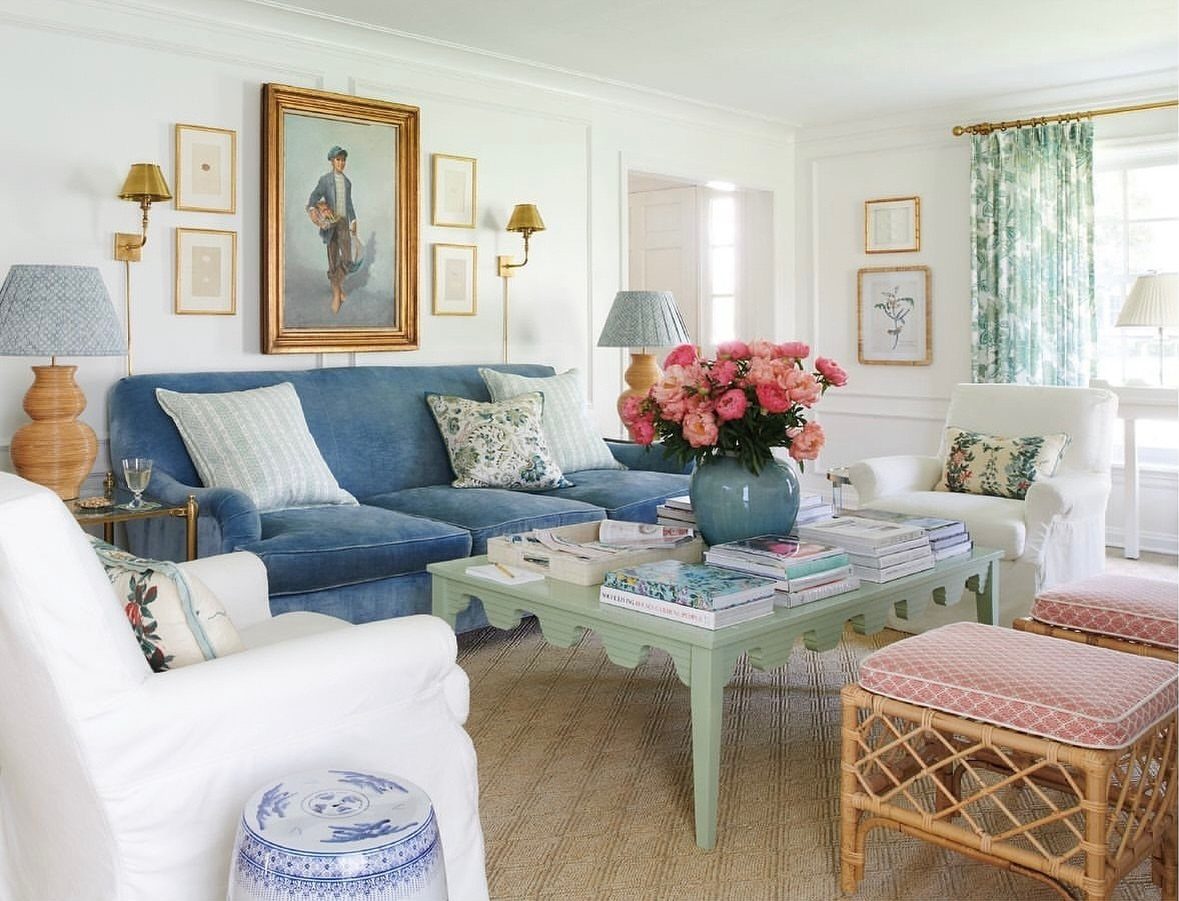
A bold print turns the curtains into a focal point, especially in a room with mostly solid furniture. The pattern can pull in colors from other parts of the space or introduce a new one entirely.
I choose this approach when the walls and upholstery are fairly neutral and the room can handle one strong element.
The scale of the print matters: larger patterns read better from across the room, while smaller ones can feel busy if the windows are wide.

1【Our Strengths】Over 100 Years Window Covering Expertise (SCHOENBERGER GROUP est.1878)

REAL WOVEN BAMBOO CONSTRUCTION: Authentic natural bamboo fibers create a warm, textured roman shade with genuine tonal variation in every panel. Adds organic texture to modern organic, boho, coastal, farmhouse, and rustic rooms at an everyday price.

REAL WOVEN BAMBOO CONSTRUCTION: Authentic natural bamboo fibers create a warm, textured roman shade with genuine tonal variation in every panel. Adds organic texture to modern organic, boho, coastal, farmhouse, and rustic rooms at an everyday price.
4. Floor-to-Ceiling Curtains
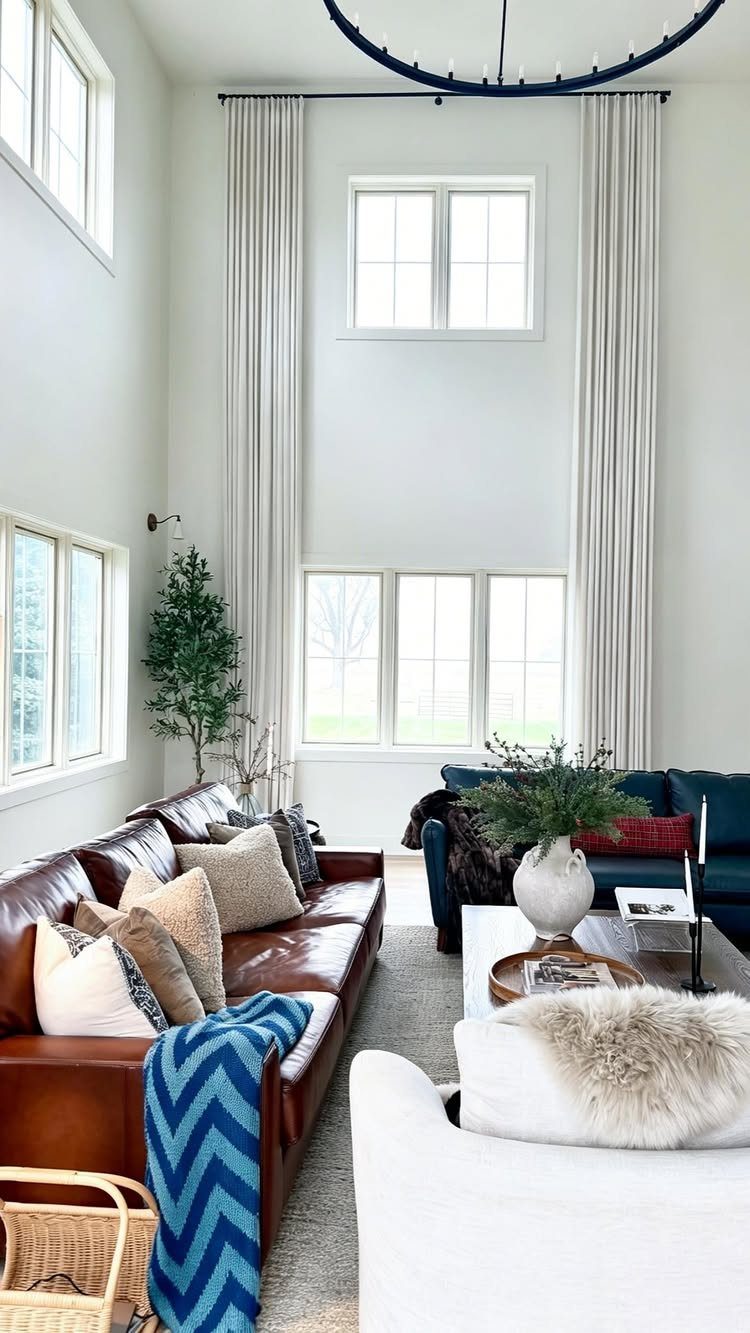
Hanging curtains close to the ceiling and letting them pool or skim the floor creates the illusion of taller walls.
The vertical line draws the eye up, which makes the room feel more spacious even when the square footage hasn’t changed.
The panels should just touch the floor or puddle slightly, depending on how formal you want the look.
This approach works especially well in rooms with standard 8-foot ceilings where every inch of height counts.

Sold as 2 Panels: Each package includes 2 pieces sheer curtains. Each panel measures 42 inch width, 84 inch long( The curtain length not include top 1.5 inch header) 2 pieces total width is 84 inches, Sheer curtains width is 1.5-2 times wider than your window to show a nice look. Multiple Length are available, please measure your window first for the right choose
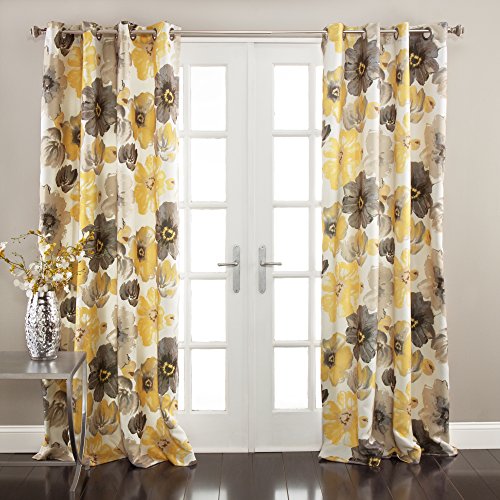
Bold Florals: The charming design of our Leah Light Filtering Curtains feature large, colorful blooming flowers that will brighten any room in your home with the feeling of spring. Add to your bedroom, dining room, home office or living room decor.

PREMIUM MATERIAL FOR ELEGANT STYLE:Made from 100% high-quality polyester, MIULEE sheer curtains offer a soft, breathable fabric that allows natural light to filter through while still providing privacy. The delicate texture adds a touch of elegance to any room, making it the perfect blend of beauty and functionality.
5. Floral Curtains
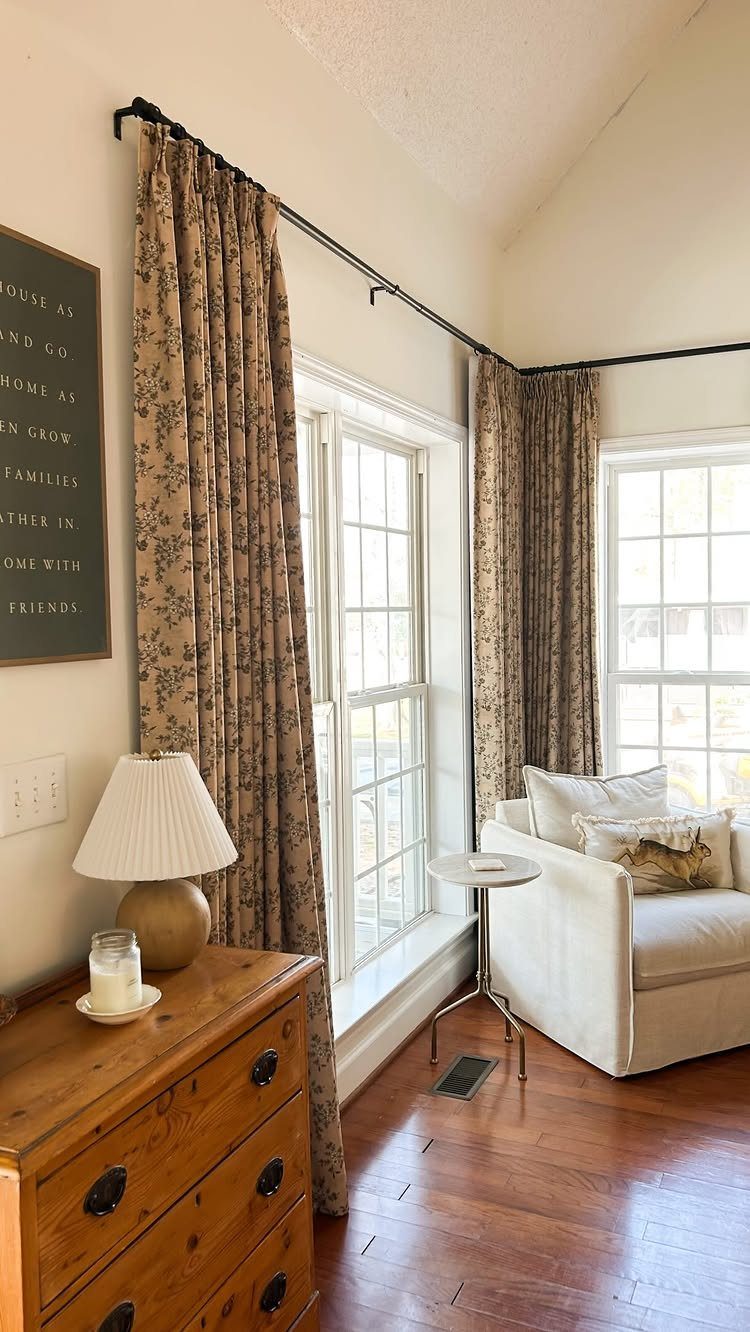
Floral patterns bring a softer, nature-inspired feel without needing actual plants in every corner. The print can tie together colors already in the room or introduce a palette shift if you’re updating the space.
I choose florals when the furniture and walls are plain enough to let the curtains carry some decorative weight. Smaller prints feel more subdued, while larger blooms make a stronger statement.
Match the scale of the pattern to the size of the window and the room.

100% BLACKOUT: Picture yourself enjoying uninterrupted sleep even on bright summer mornings. Engineered with innovative composite yarn technology rather than stiff chemical coatings, these single-layer panels physically block 100% of harsh light. Create a pitch-black sanctuary for night shift workers, nurseries, or family movie nights.

100% BLACKOUT: Picture yourself enjoying uninterrupted sleep even on bright summer mornings. Engineered with innovative composite yarn technology rather than stiff chemical coatings, these single-layer panels physically block 100% of harsh light. Create a pitch-black sanctuary for night shift workers, nurseries, or family movie nights.

Package Contents: This listing includes one piece of premium fire-resistant curtain fabric.The curtain measures 42 inches (approx. 106.68 cm) wide and 84 inches (approx. 213 cm) long, providing full coverage for standard-sized windows.For easy installation, the curtain is designed with 8 durable stainless steel grommets with a diameter of 1.6 inches (approx. 4 cm), ensuring secure and convenient hanging.
6. Curtains That Match Pillows
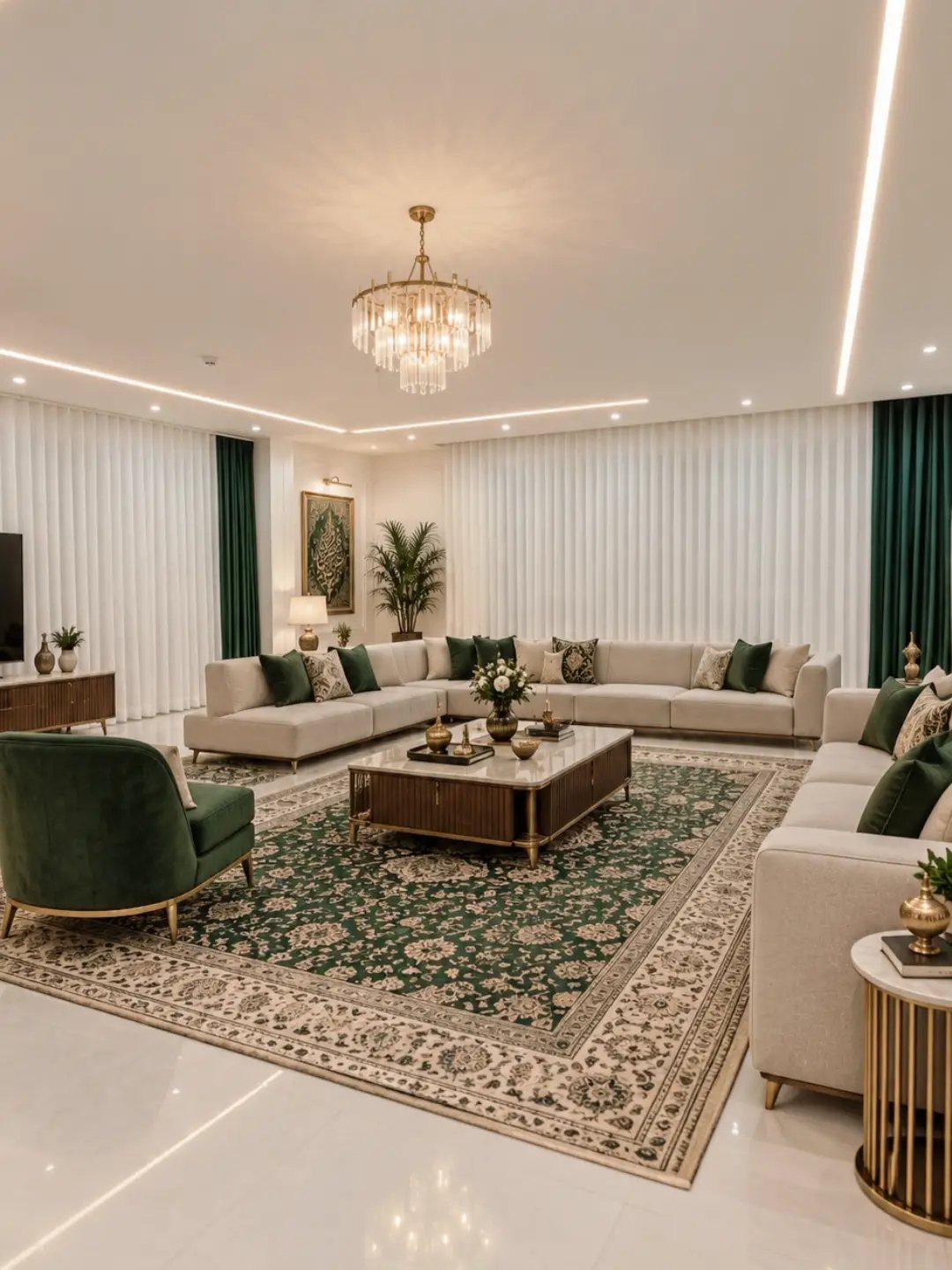
Repeating the curtain color or pattern in pillows, throws, or even a rug ties the room together without much effort. The connection doesn’t have to be exact; even pulling one accent color through creates cohesion.
I use this approach when a living room has several colors or patterns and needs something to anchor them. The curtains and matching accessories act as bookends that frame the rest of the space.

Custom Design Fabric:Each package includes 2 panels of pinch pleated curtain with 18 hooks and 16 rings,measuring 40"Wx90"L each panel,To reduce budget while keeping the linen/cotton organic characteristics,Designer makes this stone washed ultra soft yet linen look blended fabric 20% cotton,20 linen,60% polyester.It drapes well,medium thick,airy and breathable in hot summer

【PREMIUM SILK MATERIAL】 This room darkening dupioni silk curtain is made of 100% dupioni silk material with a soft touch feeling, the surface of the fabric is smooth and has a good sense of luster, which can add a touch of luxury to the interior, creating a fantastic visual effect, especially suitable for the pursuit of romantic atmosphere of the bedroom.
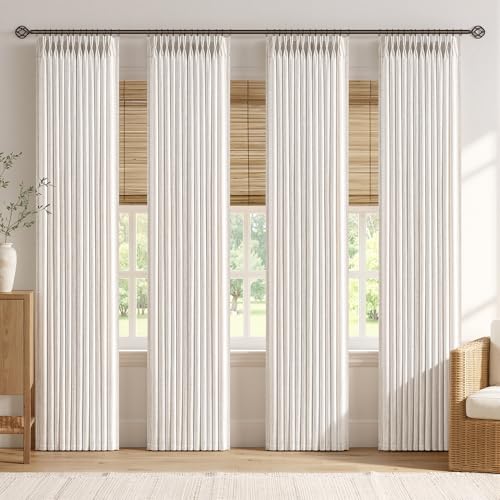
Extra Thick Linen Fabric: Crafted from a premium 380 GSM (grams per square meter) blend of linen,and polyester, these linen curtains strike the perfect balance between softness, natural beauty, and durability. The extra-thick linen fabric captures the authentic richness of true linen while adding a refined, substantial feel
7. Sheer and Blackout Pair
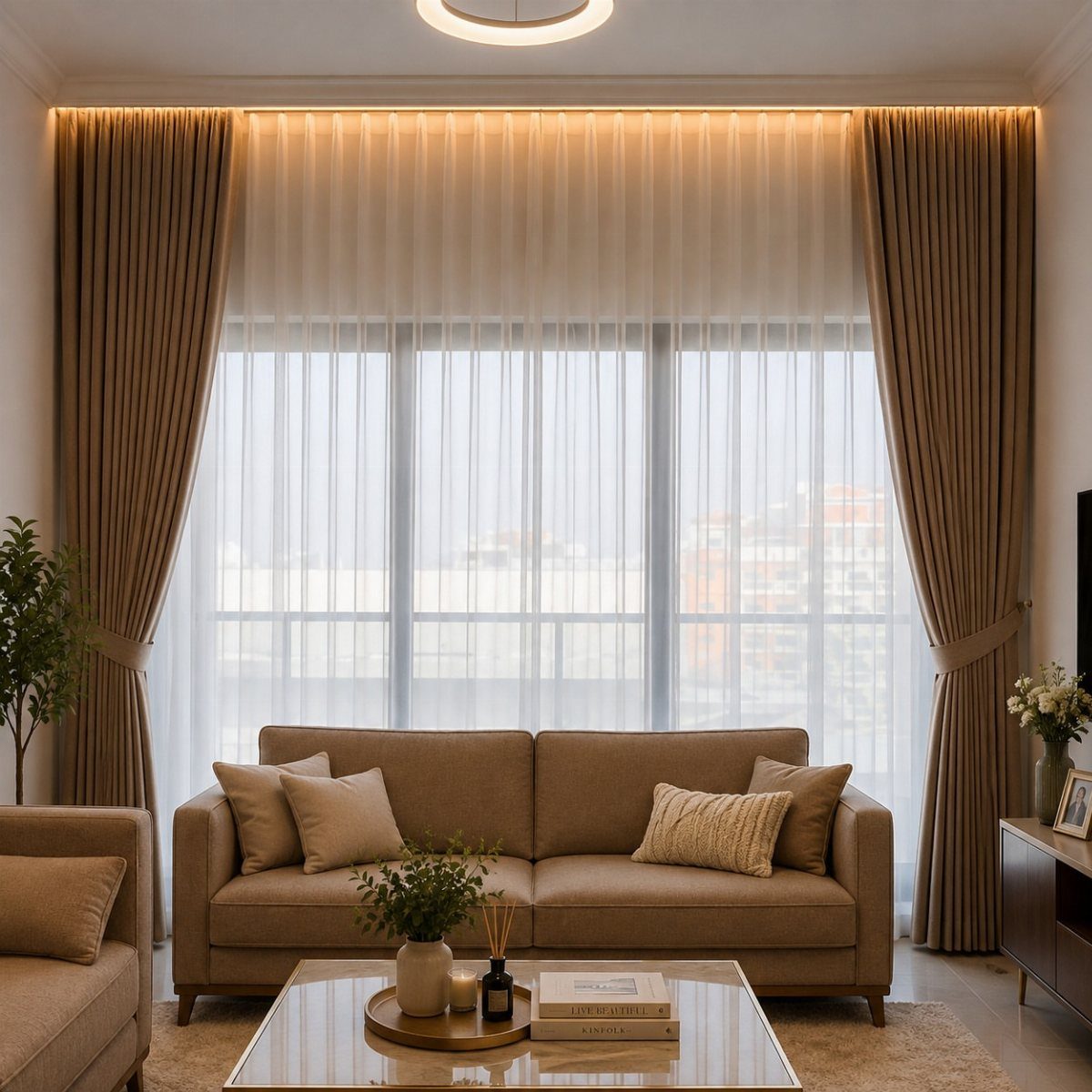
Pairing sheer panels with blackout curtains gives you soft filtered light during the day and full coverage when you close both layers.
The sheers stay drawn most of the time, and you pull the blackout layer only when you need privacy or want to darken the room for a movie.
I use this setup in living rooms that face bright afternoon sun or streetlights. The two layers stay on separate rods, so you can adjust each one independently.

Ready Made:Each package includes 1 panel of pinch pleated curtain with 12 hooks(without rings),measuring 60"Wx90"L each panel.

SOPHISTICATED LOOK: The well-crafted design of the Loha curtain panels offers a touch of elegance to your home with rich, linen-like texture and a variety of luxurious colors.

Thick Linen Fabric: These linen curtains are carefully crafted from 380 GSM fabric of flax linen, cotton and polyester, offering a blend of softness, natural aesthetics and durability. Thicker linen curtains capture a real rich flax textured feel while savoring a heavier set,adding a touch of sophistication
8. Bright White Curtains
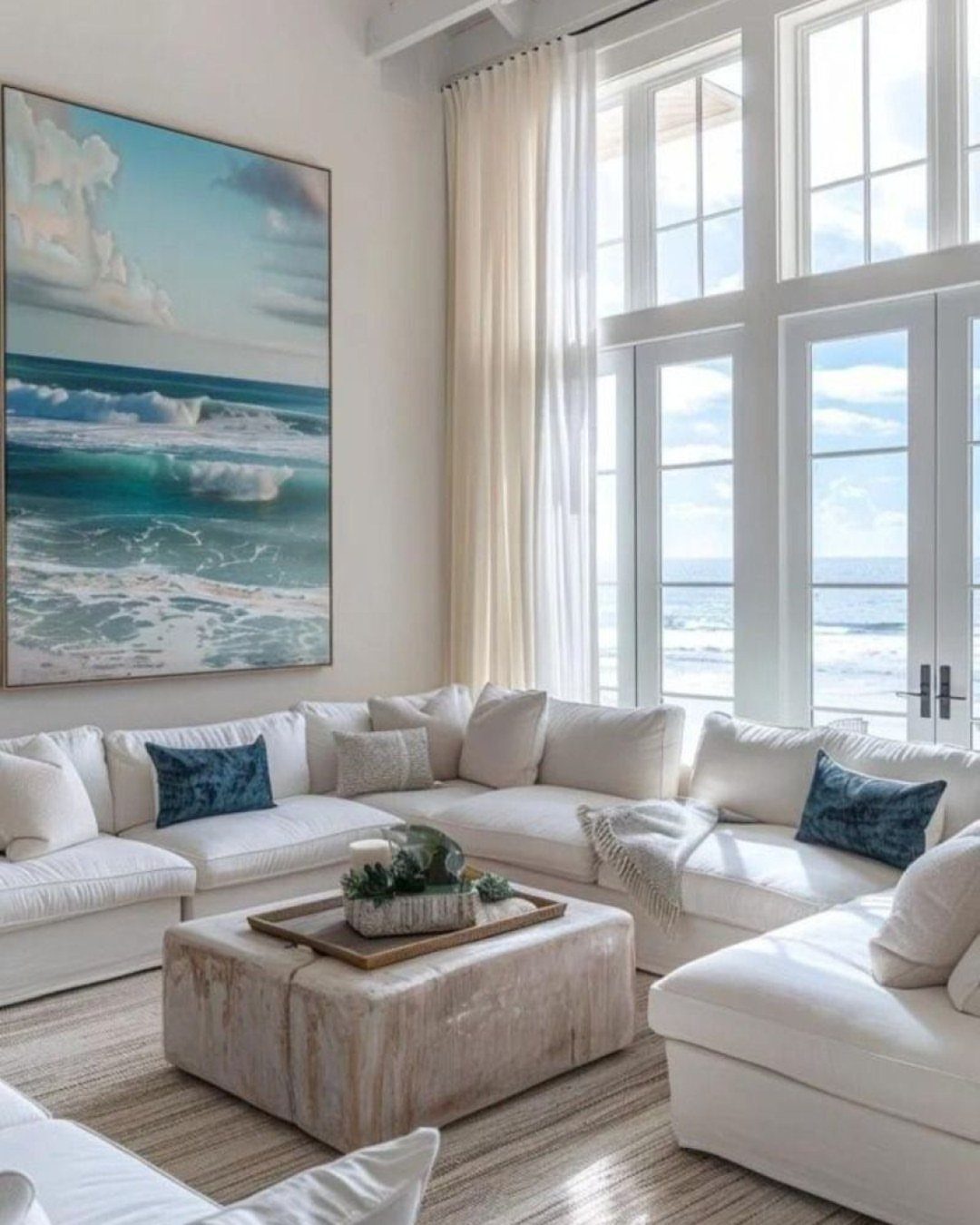
White panels reflect light back into the room instead of absorbing it, which makes a space feel brighter without adding more lamps.
The color works with nearly any furniture or wall tone, so it stays neutral even when the rest of the room shifts over time.
I choose white when the living room gets good natural light and I want to amplify it. The fabric can be anything from crisp cotton to soft linen, depending on how formal the room feels.
1【Our Strengths】Over 100 Years Window Covering Expertise (SCHOENBERGER GROUP est.1878)

REAL WOVEN BAMBOO CONSTRUCTION: Authentic natural bamboo fibers create a warm, textured roman shade with genuine tonal variation in every panel. Adds organic texture to modern organic, boho, coastal, farmhouse, and rustic rooms at an everyday price.

1【Our Strengths】Over 100 Years Window Covering Expertise (SCHOENBERGER GROUP est.1878)
9. Curtains Framing a Wall of Windows
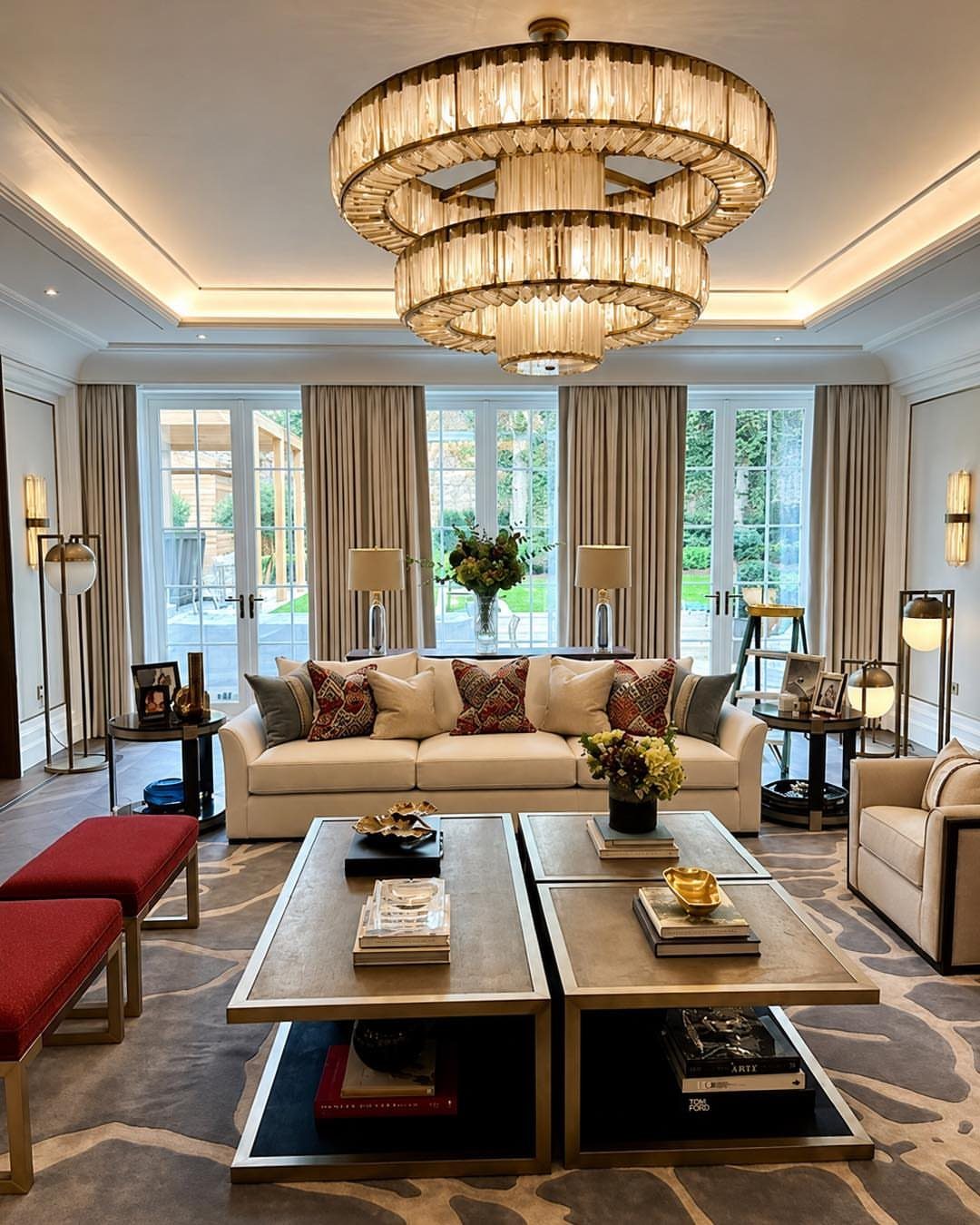
Panels hung at the outer edges of a window wall frame the glass without covering it, which keeps the view open while still adding softness.
The curtains stay pulled back most of the time, so the focus stays on the windows themselves.
This approach works when you have multiple doors or tall windows in a row and want to define the whole section without blocking light. Keep the fabric simple so the architecture stays the main feature.

True premium voile sheer, woven by high twisted double filaments,

RECONNECT THE BEAUTY OF NATURE: Inspired by the designer’s childhood memories of her grandma’s garden, our decorative print sheer curtains capture the delicate dance of nature. Roses bloom and vines twist gracefully, while butterflies flutter across the linen textured fabric. As sunlight filters through, the patterns spring to life, gently swaying like leaves in the breeze. Add a touch of vibrant energy, creating a soothing atmosphere that refreshes your space, leaving it serene and inviting.
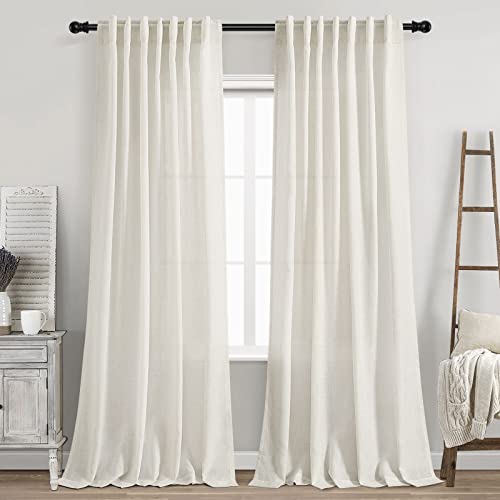
READY MADE: 2 Linen Curtain Panels per package.Each panel measures 52 inches wide by 84 inches long. Top design of Back tab & loop pocket provide 3 hanging options. <1> hanging from the back patch to create an elegant pleated look, <2> from the 3 inch rod pocket for a classic look <3> Hanging with clip rings for easy, slide open and closed (clip rings are not included)
10. Windowed Rooms
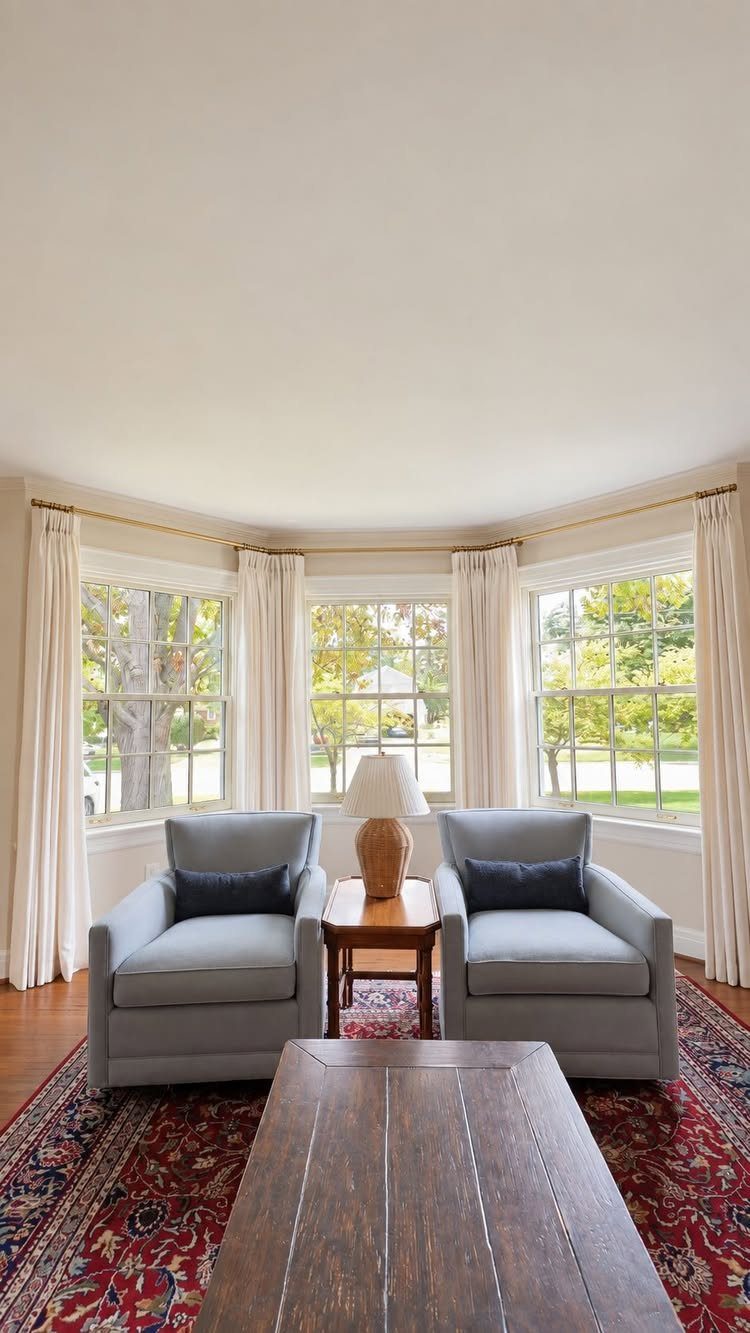
Using the same curtain style across windows that vary in size or placement creates a sense of order in a room that might otherwise feel uneven. The consistency ties them together visually, even when the spacing or proportions don’t match.
I do this in older homes where windows were added or changed over time and the layout feels a bit random. The curtains become the unifying element, and the mismatched windows fade into the background.

100% BLACKOUT: Picture yourself enjoying uninterrupted sleep even on bright summer mornings. Engineered with innovative composite yarn technology rather than stiff chemical coatings, these single-layer panels physically block 100% of harsh light. Create a pitch-black sanctuary for night shift workers, nurseries, or family movie nights.

Package Contents: This listing includes one piece of premium fire-resistant curtain fabric.The curtain measures 42 inches (approx. 106.68 cm) wide and 96 inches (approx. 243 cm) long, providing full coverage for standard-sized windows.For easy installation, the curtain is designed with 8 durable stainless steel grommets with a diameter of 1.6 inches (approx. 4 cm), ensuring secure and convenient hanging.
Package Contents: This listing includes one piece of premium fire-resistant curtain fabric.The curtain measures 42 inches (approx. 106.68 cm) wide and 63 inches (approx. 160 cm) long, providing full coverage for standard-sized windows.For easy installation, the curtain is designed with 8 durable stainless steel grommets with a diameter of 1.6 inches (approx. 4 cm), ensuring secure and convenient hanging.
11. Curtains on an Angled Window
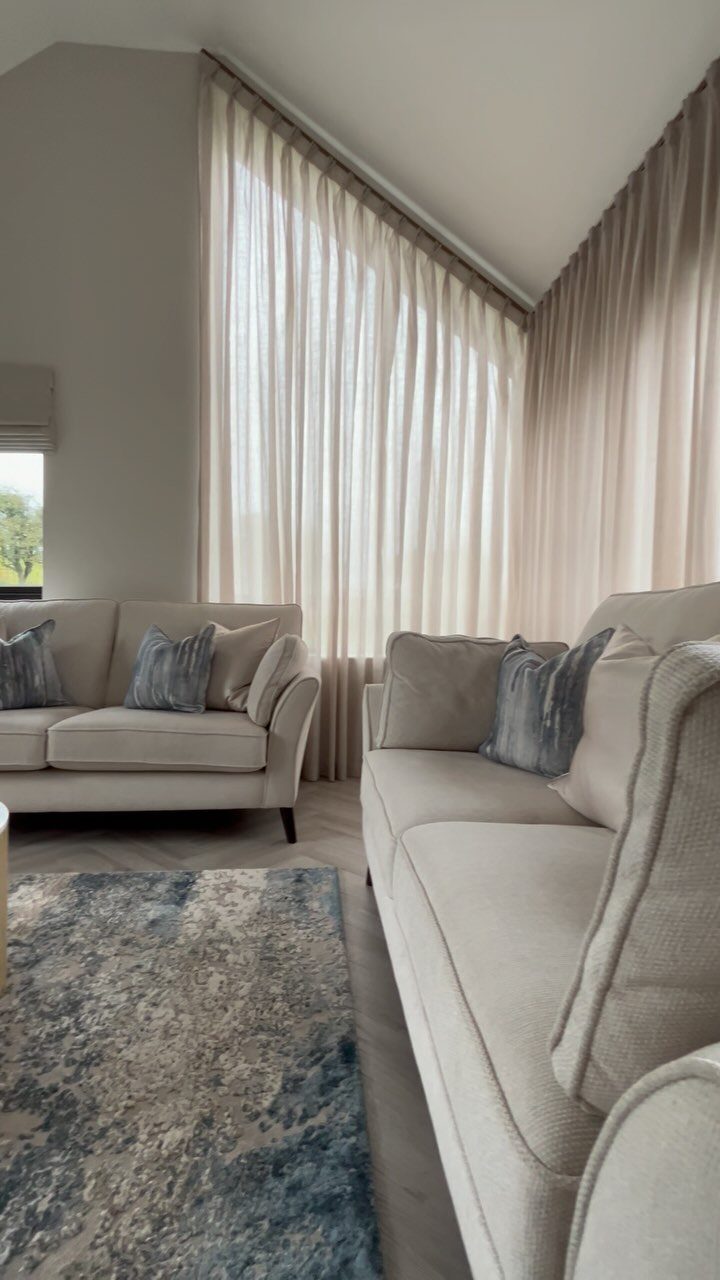
Hanging curtains from an angled ceiling requires a rod that follows the slope, but the result frames the window in a way that feels intentional rather than awkward.
The fabric drapes naturally along the angle, and the window becomes part of the room’s shape instead of something to work around.
If you have patio doors and windows in the same room, running the same curtain style across all of them ties the openings together visually.
12. Layered Curtains
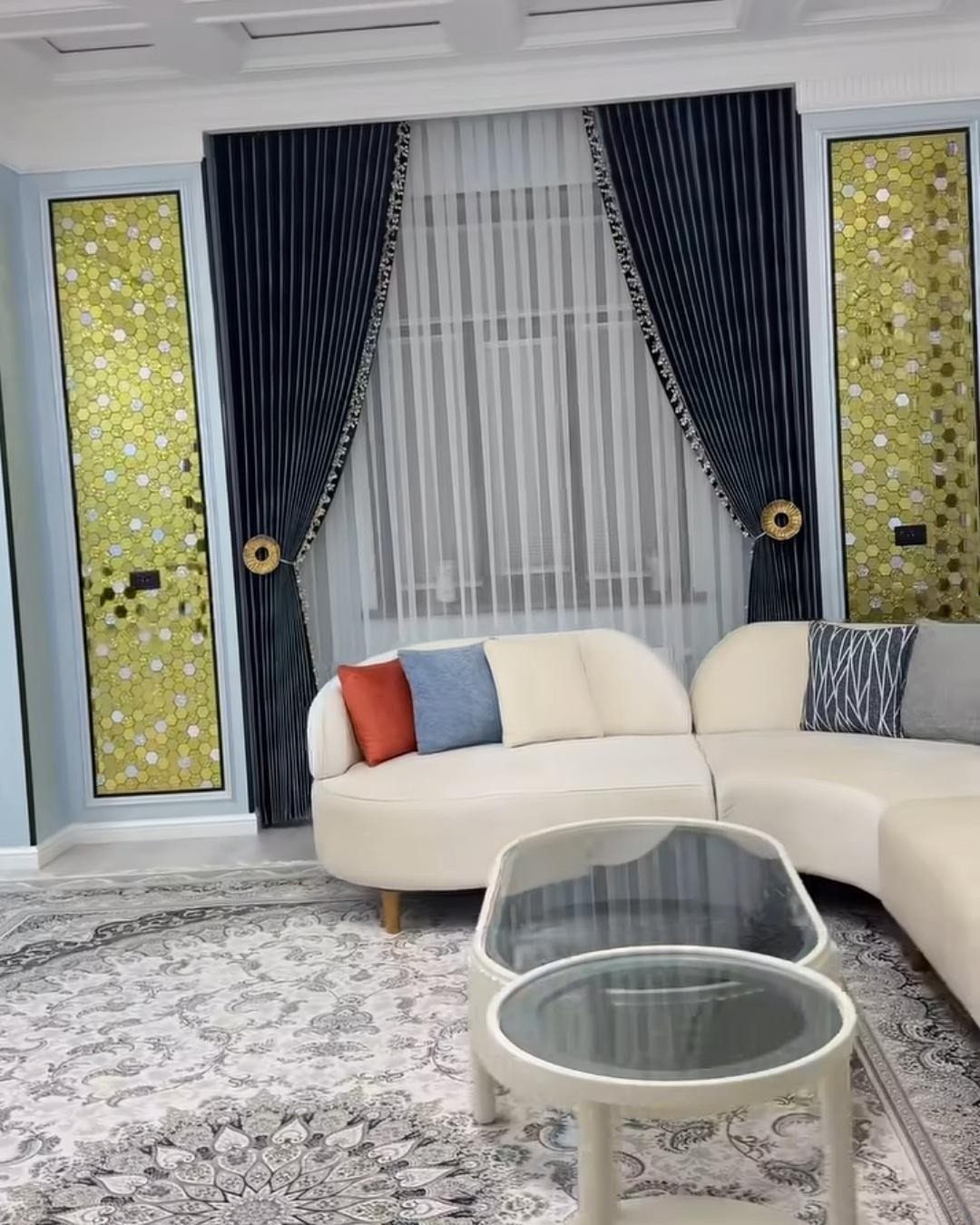
Sheer panels under heavier drapes give you flexibility: leave the sheers closed and the drapes open for diffused light, or close both for full privacy. The 2 fabrics add depth to the window without needing a complicated setup.
I use this when a living room needs to shift between daytime use and evening privacy. The heavier layer also helps with temperature control if the windows let in drafts.
13. Neutral Curtains
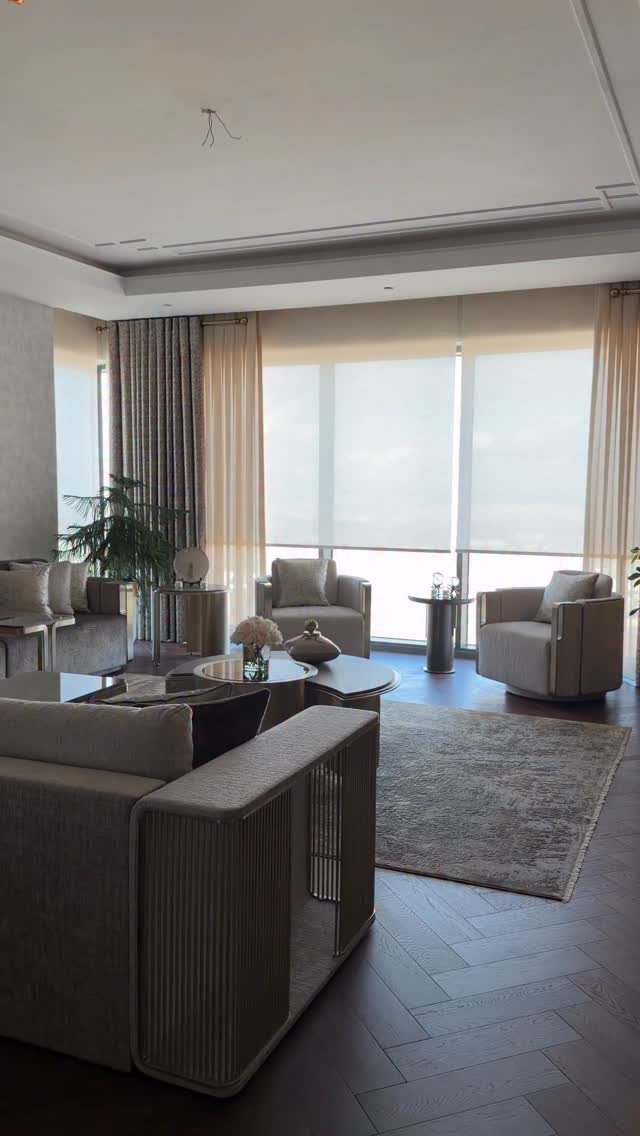
Beige, taupe, or soft gray panels stay quiet enough to work with nearly any furniture or paint color, which makes them practical when you want the rest of the room to shift without redoing the windows.
Neutral fabric absorbs less attention than pattern or bold color, so the curtains frame the space without competing for focus.
I choose this when the living room already has plenty going on or when I want the option to change accessories without worrying about whether the curtains still fit.
The tone can lean warm or cool depending on the room’s palette.
Measuring Curtain Width and Length
Measure the window width first, then multiply by 1.5 to 2 times to get the total fabric width you need. That extra width lets the curtains hang in natural folds instead of pulling flat across the rod.
For length, measure from the rod to the floor and add an inch or two so the panels just touch or puddle slightly. Curtains that hover an inch above the floor look unfinished.
Order custom panels wide enough and you may see a seam down the middle where 2 fabric widths join. On patterned fabric, a good workroom will match the print across that seam so it disappears into the design.
Room Size and Curtain Proportions
In a small living room, hang the rod close to the ceiling and let the panels run all the way to the floor.
Light-colored fabric or sheer weaves keep the space from feeling closed in. Heavy, dark curtains can shrink a small room visually, even when the windows themselves are small.
If the room has a wall of glass, scale the curtains to fit the full span without overwhelming it. The windows should still read as the main feature, so keep the panels simple and let the view do the work.
Choosing Curtain Fabric and Lining
Linen breathes and drapes softly but wrinkles easily, so it reads more relaxed than crisp. Cotton blends hold up to frequent opening and closing without stretching out.
Standard lining filters light and protects the face fabric from sun damage.
Blackout lining blocks nearly all light, which works in a media room or any space where you need full darkness. Thermal lining adds an insulating layer that helps hold heat in winter.
Interlining sits between the face fabric and the lining and gives the curtain more body and a heavier drape.
Frequently Asked Questions
What type of curtains are in style now?
Floor-to-ceiling panels in neutral tones or velvet remain popular, along with sheer curtains layered over blackout drapes for flexibility.
Bold patterns and bright white fabric also appear frequently in current living rooms. The style depends on whether the room leans formal, relaxed, or somewhere in between.
How do I hang curtains to make a room look taller?
Fix the rod near the ceiling and let the fabric reach the floor.
Are blackout curtains good for a living room?
Blackout curtains suit living rooms with strong afternoon sun or spaces used for watching movies. Add sheers on a second rod for daytime softness and close both layers when you need full coverage.
Should living room curtains touch the floor?
Panels that skim the floor or puddle lightly look finished; how much depends on the formality you want.