

I start by counting every book I own and sorting into four piles: keep, toss, sell, and donate. I remove unwanted volumes immediately to maintain momentum, then source free books from library tables and swaps to expand my collection affordably.
I select shelving, whether built-in, freestanding, or adjustable, that fits my space, budget, and load requirements. Finally, I organize by genre or alphabet for daily accessibility, placing frequently used titles within easy reach. The following sections break down each step with specific techniques and considerations.
Start by Counting and Weeding Your Books
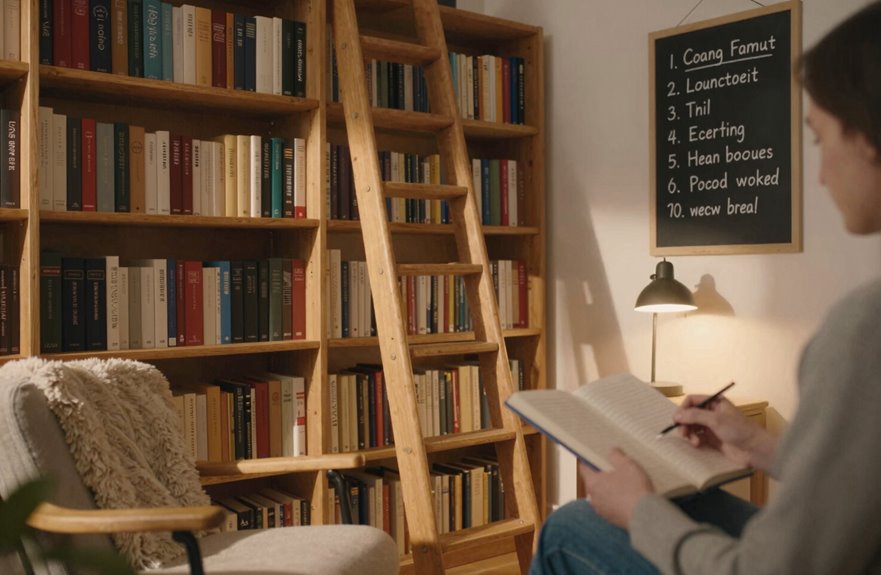
The first step in building a functional home library is understanding exactly what you own. Count every book in your collection to establish scope and space needs. This baseline measurement informs every subsequent decision.

MODERN MINIMALIST DESIGN: This book shelf features a clean-lined rectangular frame with a closed back, making it ideal for home offices, living rooms, or bedrooms
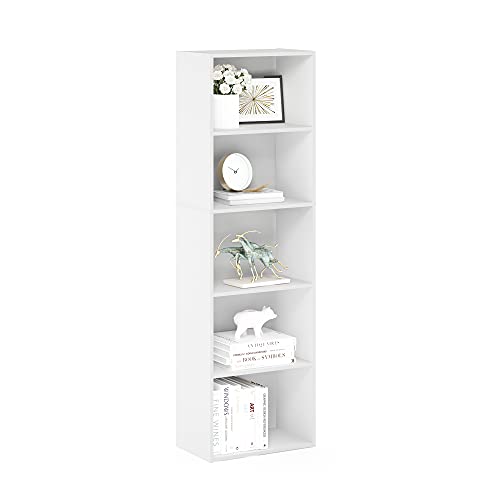
SLEEK & VERSATILE DESIGN: This book shelf showcases a tall 5-tier layout with a closed back that fits seamlessly in living rooms, bedrooms, home offices, or dorms, making the book shelf practical and modern

Sort Your Collection
Sort books into four categories: keep, toss, sell, and donate. This framework streamlines decision-making and prevents second-guessing. For gifts or inscribed volumes, consider whether future generations will value these personal connections.

STYLISH STORAGE SOLUTION FOR EVERY ROOM – This 3-shelf bookcase from the Sauder Select collection offers a perfect blend of style and functionality, making it an ideal addition to your living room, home office, or study

【Backpack Size】: The school backpacks is 12.4(L) x 7(W) x 16.7(H) inch.This cute backpack is perfect for teenagers as Bookbags,Travel Bag, Laptop bag, travel storage backpack.

Open Bookcase with Sturdy Construction: IRONMIX black bookcase 4 tier is made of 0.7mm high-quality cold-rolled steel, which is stronger than typical steel, not easily deformed. Reinforcing ribs at the waist and bottom of the back panel, further increasing the strength of the library bookshelf and bookcase
Visualize Your Volume
During weeding, pile sorted books in the room’s center. This physical display reveals the true scale of your collection and maintains momentum through the organization process.

Stylish and stackable mini crates perfectly store items in your home, office, dorm, or utility storage room

Meet Your Space Giant: Dive into 45L of roomy storage with our collapsible storage bin, easily accommodating a large number of items. Whether you're doing bulk shopping or daily tidying, we have got you covered. Say goodbye to cluttered trunks. Hello, easy, breezy organizing!

Meet Your Space Giant: Dive into 45L of roomy storage with our collapsible storage bin, easily accommodating a large number of items. Whether you're doing bulk shopping or daily tidying, we have got you covered. Say goodbye to cluttered trunks. Hello, easy, breezy organizing!
Maintain Forward Progress
Move donation boxes immediately to your garage or car trunk. This action creates tangible progress and prevents backsliding into clutter.

The 540 colored stickers with letter on the spines of books will help students/kids quickly identify where a book belongs on the shelf or in the book bins.

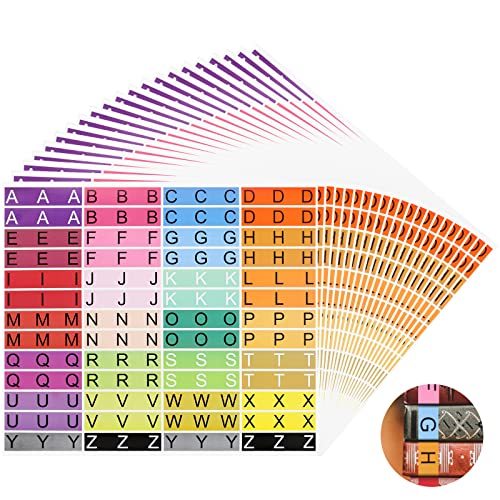
Large Quantity: there are 20 sheets of classroom library stickers and each sheet has 52 stickers, which is abundant enough for you to stick them wherever you want, helping you find what you want quickly
Donate, Sell, or Recycle What You Won’t Keep

Where do your unwanted books go once you’ve decided they don’t belong in your library? I sort every title through my four-category system: keep, toss, sell, donate. This method keeps my weeding focused and efficient.
Every unwanted book deserves a destination: keep, toss, sell, or donate.
Before hauling books anywhere, I verify each organization’s donation policies. Libraries and nonprofits accept different genres and conditions, so I check their websites or call ahead. I remove damaged books immediately and place donation boxes in my garage to maintain momentum.
How to handle the removal process:
- Check donation policies for every organization before driving
- Remove poor-condition books and recycle them properly
- Place boxes in your car trunk for immediate drop-off
I involve my family by asking kids to sort their own titles. Neighbors often appreciate first pick of my giveaways, building community connection through shared stories.

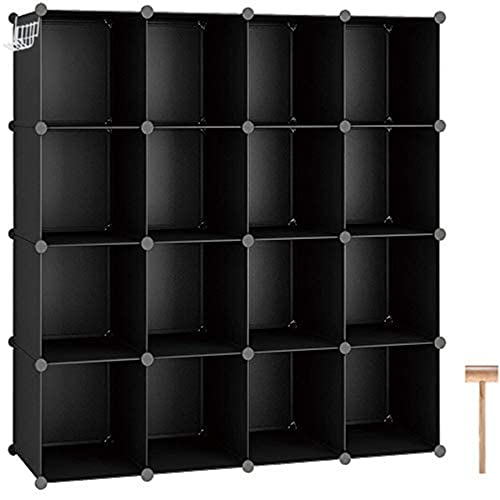
ELEGANT DISPLAY SHELF: Well-organized home makes you being at home more enjoyable. The modern fashionable plastic cube organizer by displaying multiple items, such as books, photos, toys, bags, potted plants, CDs make your house organized and neat

【Effortless Bag Storage】Tired of cluttered closet space? Our acrylic purse organizer keeps your wardrobe tidy so you can grab your handbags at any time. Each bag organizer can store up to 4 handbags. Ready for use right out of the box with no assembly required. A must-have for bag collectors and home organization fans!
Budget for Shelving: Books Can Be Free
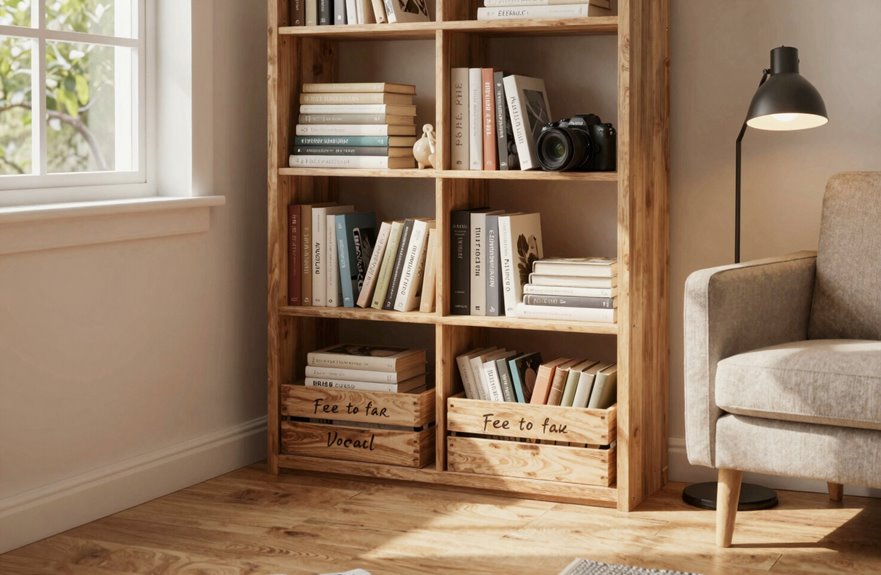
Budget for Shelving: Books Can Be Free
Why spend a fortune on shelving when I’ve built entire sections of my library for next to nothing. I use existing bookcases, sturdy cardboard boxes, or small wooden crates instead of buying new units. These alternatives keep my budget intact while creating functional storage.
Finding Free Books
I stock my shelves without spending much by visiting library freebie tables, checking donation bins, and organizing book swaps with friends and neighbors. Borrowing from public libraries and browsing used bookstores also reduces upfront costs considerably.
Managing Space Long-Term
I’ve considered upgrading to a lightweight e-reader for titles I read once, which reduces future shelving demands. I prioritize easy access to frequently read books, maximizing perceived value without expanding physical storage.

Sleek Modern Design: Enhance your space with this 72" tall bookshelf featuring a contemporary design complemented by wood grain design. It seamlessly complements various decor styles, from modern simplicity to American country and tranquil pastoral themes, making it a versatile addition to living rooms, bedrooms, or offices.

Triple Arch Design: This extra tall bookshelf comes with three elegant arched frames to bring classic vintage charm to your space. Gentle curved arches refresh ordinary room layouts, working as practical storage and an attractive display station for books, decorations and collectibles in living rooms, home offices and personal libraries.

Elegant Arched Top: Highlighted with a sophisticated curved arched top design, this tall bookcase abandons the monotonous straight-line look of ordinary bookcases. The classic arched silhouette delivers a soft, elegant visual appeal, perfectly matching farmhouse, modern, rustic, and minimalist home decor styles.
Pick Shelving That Fits Your Space and Skills
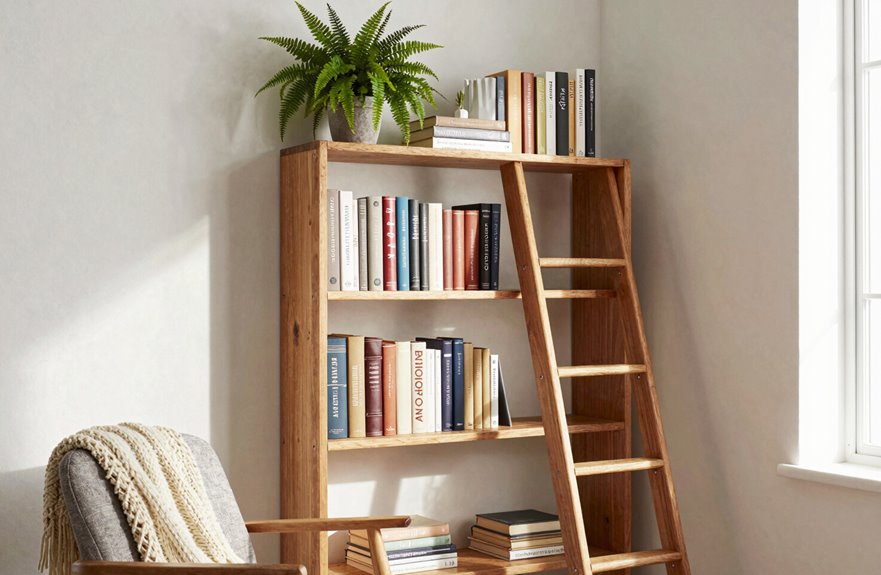
How do I choose shelving that actually works for my space? I start by measuring my area and assessing my DIY comfort level.
I consider three main options:
- Built-in shelves maximize vertical space and look seamless, but I cannot move them later.
- Freestanding shelves let me rearrange my library whenever I want, which suits renters or indecisive planners.
- Adjustable shelving accommodates my tallest art books and future purchases without wasted gaps.
I check load capacity before buying, ensuring shelves won’t sag under hardcovers. I select materials that resist moisture, especially for basements. My finish should complement existing furniture. I match my choice to my skills: built-ins demand tools and permanence, while freestanding units require minimal assembly.
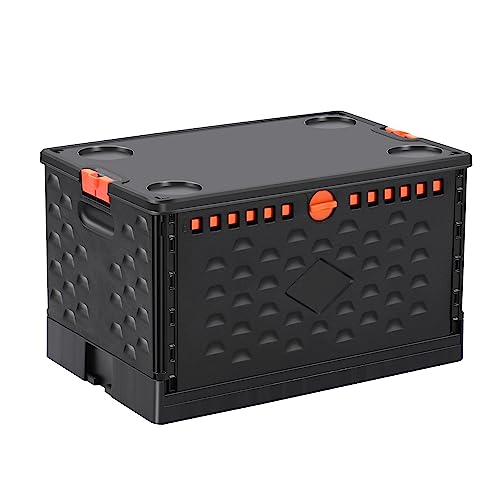
[Versatile Storage Solution]: These foldable storage boxes are designed to meet various organizational needs, closet organization, kitchen cabinets, and bedroom organization. They provide a versatile solution for decluttering and maximizing space.


【Suitable Size】The meansurement of the plastic crates is 15.7x11.8x6.3Inch (LxWxH), 20L capacity. It's a standard size and suitable for most storage for home and office.
Organize Your Home Library for Daily Use
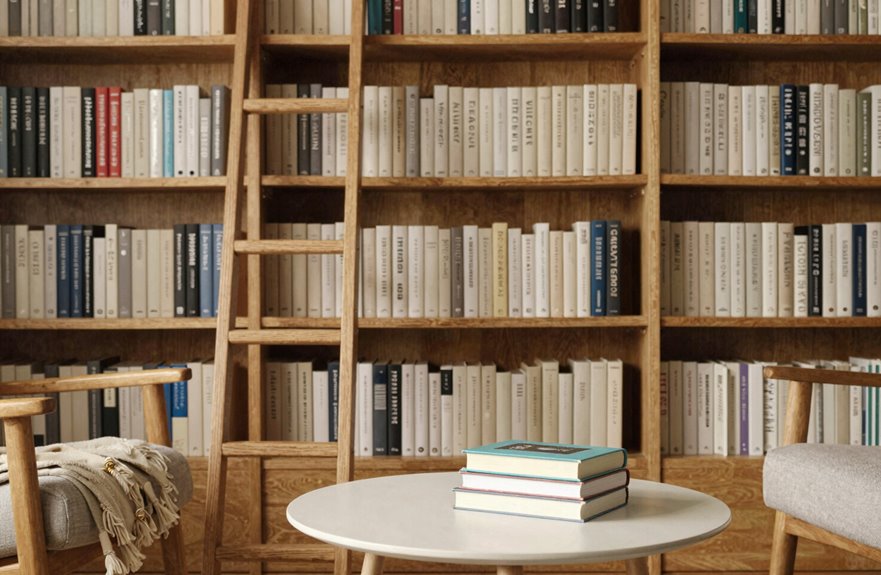
What system will actually get me to my books when I need them? Organization starts with knowing my collection. I count my books first, then plan shelves accordingly.
Choose Your System
I organize by genre, but alphabetical or color-based systems work equally well. The key is consistency. I use the same method in every room for seamless accessibility.
Prioritize Accessibility
I place children’s books on lower shelves. This simple step lets kids browse independently and builds daily reading habits.
Maintain the System
I weed regularly and re-shelve immediately after use. A tidy collection stays ready for browsing.
My library serves me daily when I plan smart, organize deliberately, and protect accessibility for everyone who uses the space.

[Sort Books with Style] Organize your shelves with charm! These "Bewitching Bard" tavern-style signs let you label your books by genre while adding a whimsical flair. Each sign is clearly printed, so you can quickly locate your favorite stories without sacrificing aesthetics.
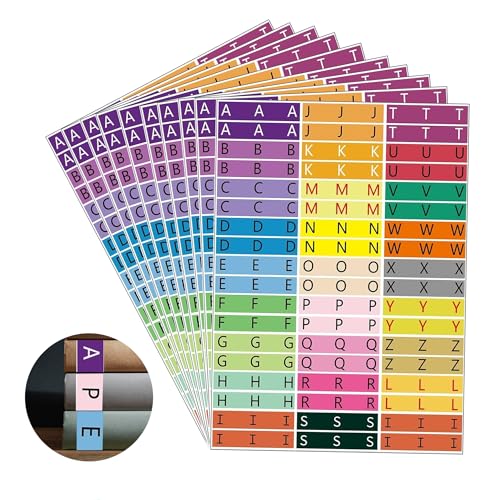
Alphabetical Arrangement: An alphabetically organized system that helps students gain an initial understanding of library classification logic, laying the foundation for future use of larger library systems.

The 540 colored stickers with letter on the spines of books will help students/kids quickly identify where a book belongs on the shelf or in the book bins.