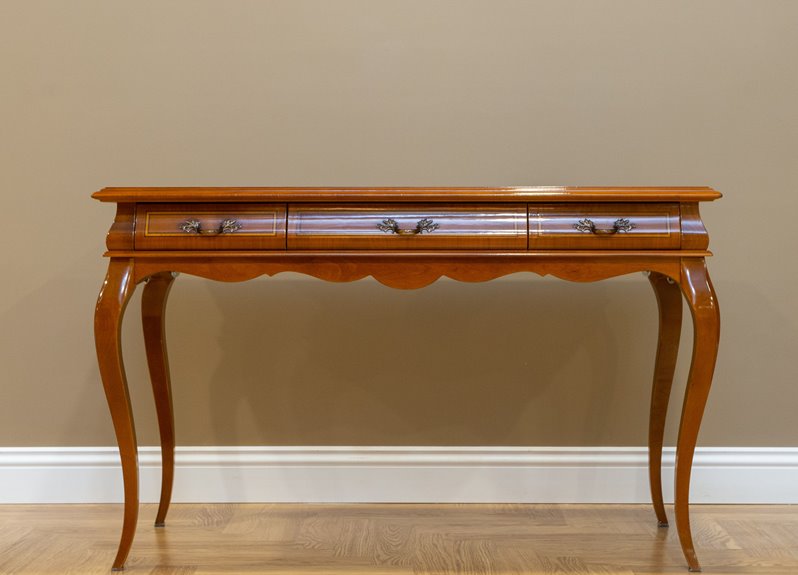
I choose a console table by measuring my space first, then matching dimensions to function. Standard heights range from 28–32 inches, with depths of 10–18 inches depending on whether you need wall-mounted or freestanding placement. I style with three items at staggered heights, mixing practical pieces like keys or mail with decorative objects. Material matters: solid wood or metal work best in busy homes, while glass provides visual lightness in quieter spaces. I always leave 30–36 inches of walking clearance and protect surfaces with felt pads. The right console balances daily utility with proportion, and the sections ahead break down each decision step by step.
What Is a Console Table? (And Where You’ll Actually Use It)
What Is a Console Table? (And Where You’ll Actually Use It)
Console tables rank among the most versatile furniture pieces available. This narrow, elongated piece fits into your home in multiple ways and offers practical value worth considering.

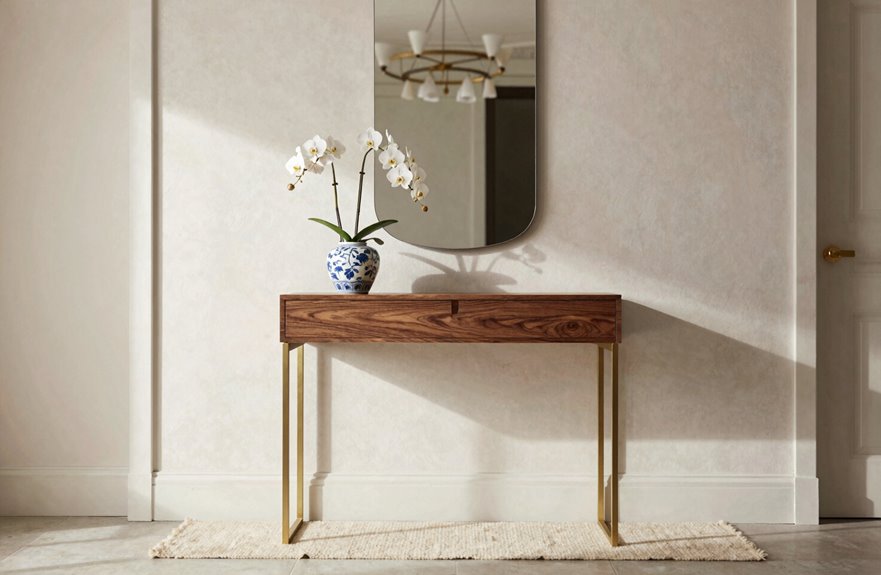
Distinctive Mid-Century Design: Bring warmth and architectural character to your home with this walnut console table. The fluted drawer fronts, softly curved detailing, and sculptural oval-cutout legs create a refined focal point for an entryway or living room.

🤎 Timeless Mid-Century Style Meets Everyday Function: Bring warmth and sophistication to your home with a rich walnut finish, handwoven rattan drawers and clean Mid-Century Modern lines. Designed to create an elegant first impression, this entryway table blends timeless style with practical storage, making it a perfect accent for foyers, hallways, living rooms or behind the sofa

Elegant Wave Fluted Design: The black fluted drawer panel features a unique wave fluted finish with a smooth black texture. It brings a modern, layered look to your space. Use this fluted console table as a display stand for a lamp, vase, or framed photos - blends with minimalist or industrial decor
Origins and Evolution
The console table emerged in 17th-century Europe as a decorative wall-mounted fixture. It has evolved into a functional item that balances aesthetics with practical needs, offering storage and display solutions for modern living spaces.

Partner for Small Space: The 3 tier entryway table is 29.5"L x 9.4"W x 29.3"H, being a suitable narrow console table at the entrance, a side sofa table or display table in the corridor, lobby, bedroom and living room, or a kitchen shelf, easy to use

[Eco-Friendly Bamboo] : This console table is crafted from natural and eco-friendly bamboo materials, preserving the aesthetic appeal of natural textures to infuse your home space with a fresh and natural lifestyle vibe

Practical Power Strip: The narrow console table features a strip with 2 outlets, 1 USB, and 1 Type-C port, and a 4.9-foot power cord. The extra power supply allows you to conveniently charge your phone, tablet, or lamp while relaxing on the sofa
Common Applications
Console tables work well in several key areas:
- Entryways: Creating first impressions with lamps and art
- Hallways: Maximizing narrow spaces without obstruction
- Living rooms: Positioning behind sofas for styling and storage
- Dining areas: Serving as supplementary surfaces

Extra Slim Design Thin Console Table for Narrow Spaces – At only 6.3" deep, this wall-mounted extra slim table entryway perfectly designed for tight hallways and small entryways, ideal for spaces where traditional entrance table and halllway table won’t fit. A skinny wall table maximizes functionality without compromising on style.

【STURDY & DURABLE】 Feature in solid wood. The floating hallway table was sprayed with high-quality finish, this entire frame is rugged and stable. features clean, non-toxic finishes to complement your healthy living space
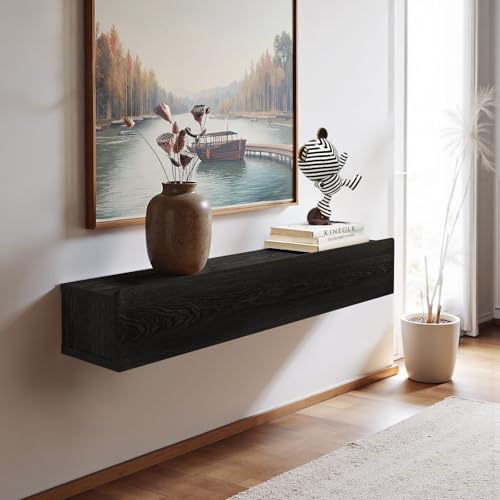
【STURDY & DURABLE】 Feature in solid wood. The floating hallway table was sprayed with high-quality finish, this entire frame is rugged and stable. features clean, non-toxic finishes to complement your healthy living space
Functional Benefits
Console tables reduce surface clutter through integrated drawers, shelves, or cabinets. This storage capability transforms dead wall space into organized, visually appealing zones that improve daily functionality and home organization.

Unique Live-Edge Design: Features an authentic live-edge wood tabletop that preserves the natural edge of solid wood, creating a one-of-a-kind rustic charm. Each table displays unique wood grain and texture, bringing a warm, earthy aesthetic to your home

Rustic Industrial Design: This console table combines natural fir wood with a sturdy black metal frame, showcasing a rustic industrial aesthetic. The warm wood grain and sleek metal lines create a perfect balance of rugged charm and modern refinement

Industrial Wood & Metal Entry Table: A 1.77" thick solid fir top meets a pipe-design metal frame—the warmth of natural wood, the strength of industrial metal. Each piece features unique grain and knots, with subtle color shifts that deepen with age
Console Table Sizes: Standard Dimensions vs. Custom Fits
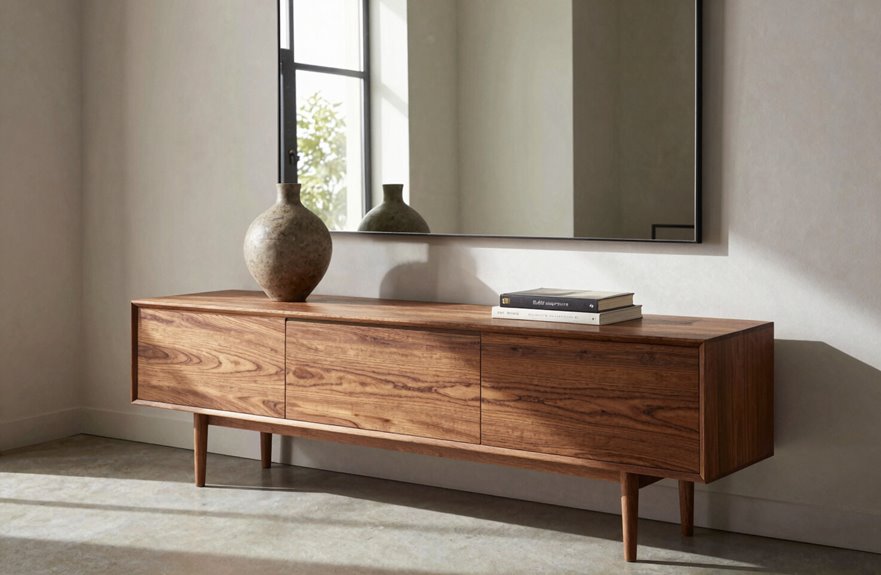
Standard console table heights range from 28–32 inches with widths spanning 30–72 inches. Depths typically range from 10–18 inches, though cramped hallways or tight entries may require slimmer profiles or wall-mounted alternatives. When your space demands something outside these norms, custom sizing allows you to balance proportion against existing furniture and architectural features.

GREAT FOR FURNITURE AND DÉCOR: Scotch felt pads for furniture on hardwood floors are great for chair legs, tables, stools, lamps, couches, plants, or anything on a finished surface.
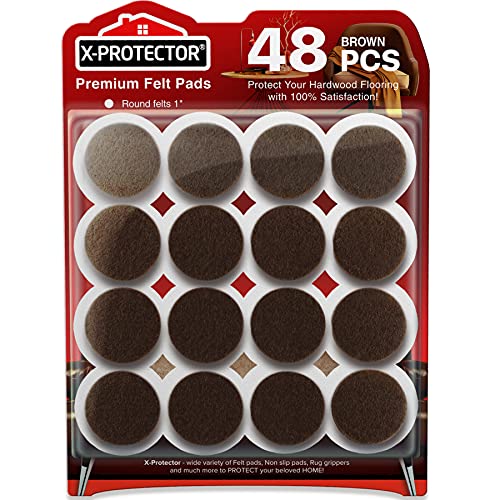
✌ DOES CHAIR MOVE AND SCRATCH YOUR FLOOR? FORGET ABOUT SCRATCHES! Furniture felt pads by X-PROTECTOR – THE BEST FLOOR PROTECTORS for furniture legs, wooden, laminate, or tiled floors!

✌ DOES CHAIR MOVE AND SCRATCH YOUR FLOOR? FORGET ABOUT SCRATCHES! Furniture felt pads by X-PROTECTOR – THE BEST FLOOR PROTECTORS for furniture legs, wooden, laminate, or tiled floors!
Standard Height Ranges
- Measure your wall height and available vertical space
- Compare to adjacent furniture heights for visual continuity
- Allow 30–36 inches of walking space around the piece
Proper height measurement ensures your console integrates functionally into the room rather than appearing as an afterthought.
Width and Depth
Why do width and depth matter? They determine whether a piece functions in your space or creates an obstruction.
Understanding Standard Dimensions
Standard widths span 30–72 inches, while depths run 10–18 inches. These measurements serve practical purposes. Slimmer depths keep traffic flowing, especially in tight quarters.
Space Planning Essentials
Measure your wall width first. Simulate the footprint using tape or cardboard to prevent costly mistakes. For small spaces, choose depths between 10–18 inches, or mount the console to the wall for a floating effect.
Proportion and Clearance
Maintain balance between your console and nearby furniture. Leave 30–36 inches of walking space near doorways. The right width and depth create harmony with your room’s scale.
Custom Sizing Options
How exactly do you bridge the gap between standard console tables and a piece that fits your space like it was built for it? Custom sizing provides that solution.
Standard tables run 28–32 inches tall, 30–72 inches wide, and 10–18 inches deep. These dimensions work for many homes, but they don’t suit every layout. Custom sizing lets me match your wall dimensions, nearby furniture, and walking clearance of 30–36 inches.
When to Choose Custom
- Narrow hallways: I specify 10–18 inch depths, or wall-mounted consoles to free floor space.
- Balanced arrangements: I adjust length against adjacent pieces and wall art for proper proportions.
- Specific needs: I tailor storage features (drawers, shelves) and surface dimensions for your lamps, vases, or books.
Custom sizing transforms generic furniture into pieces that function properly within your specific layout and meet your actual storage and display requirements.
How to Measure Your Space for the Right Fit
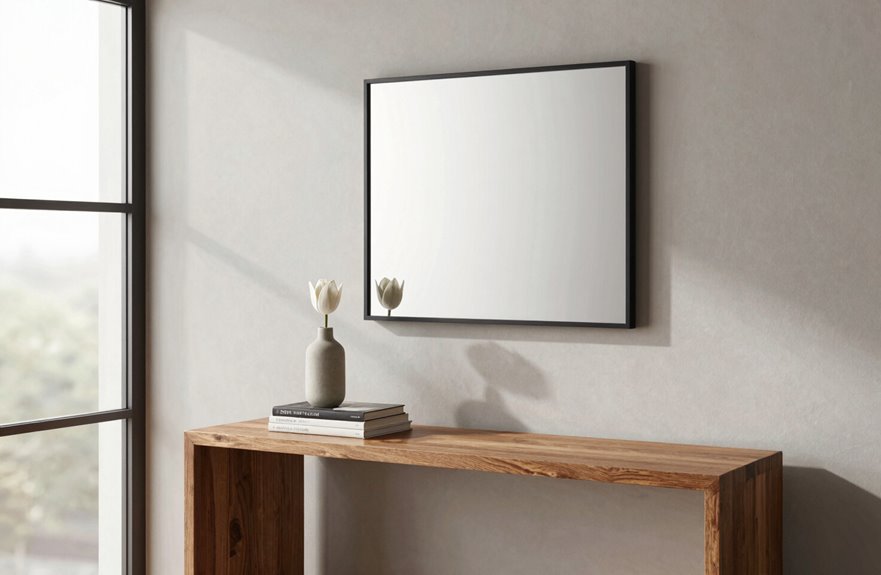
What separates a console table that works from one that frustrates? Precise space measurement. I always mark my intended placement with tape or cardboard first, simulating the footprint to visualize flow and proportions.
What to check:
| Measurement | My Target |
|---|---|
| Height | 28–32 inches |
| Width | 30–72 inches |
| Depth | 10–18 inches |
Measure wall width, not just floor space, ensuring your console complements existing art or mirrors. Dimensions must align with nearby furniture to maintain balance. Clearance matters. Maintain 30–36 inches of walking space to keep traffic moving comfortably. In entryways, proper proportions prevent crowding and create an inviting entrance.

Farmhouse Charm: With its wood-effect appearance, clean lines, and metal accents, this console table comes from our LIRY Collection—brings a cozy, rustic vibe to your entryway, enhancing you space with country elegance

【STURDY】Measures 31.5'' H x 39.4'' W x 11.8'' D. Crafted of hardwood solids and manufactured wood with a natural rubber wood top, pine, and MDF. The whole hallway table was sprayed with high-quality paint, this entire frame is rugged and stable

Sofa Table with Outlet - Ecopriso black console table offers you the convenience of 2 USB ports plus 2 regular outlet plugs. You are able to charge multiple electronic devices such as lamps, cellphones, tablets, smartwatches, fish tank, and digital photo frame. Attaching the electrical outlet board on either side of this entryway table according to your needs doesn't take up any space on the tabletop.
Wall-Mounted vs. Freestanding: Which Works Better?
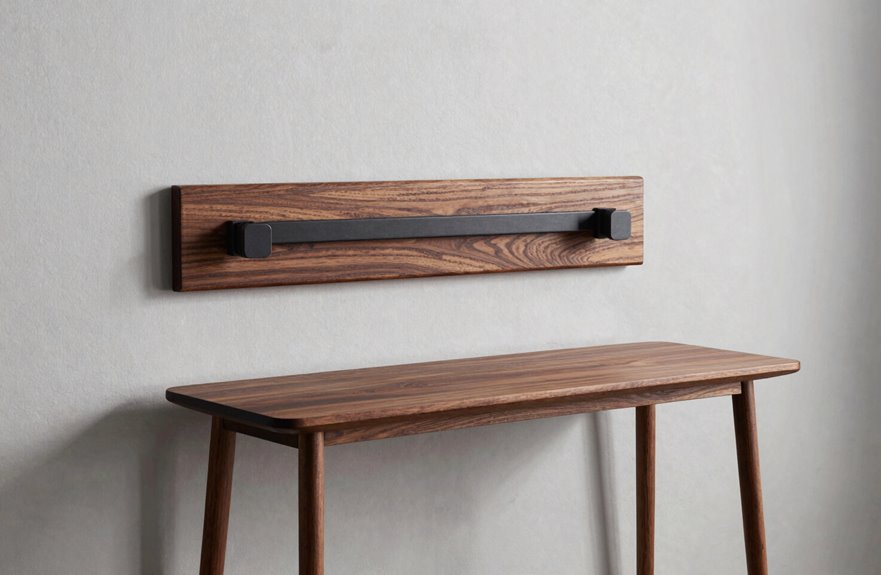
Once you’ve mapped out your measurements, you’ll face a fundamental choice between two console types. Wall-mounted consoles float above your floor and free up valuable square footage in tight entryways or narrow hallways. Freestanding consoles give you flexibility; you can shift them when rearranging furniture or preparing for gatherings.
To decide which suits your space, consider these factors:
- Measure your depth carefully. Wall-mounted options work best at 10–14 inches, while freestanding pieces accommodate 15–18 inches comfortably
- Evaluate your storage needs. Wall-mounted designs often integrate slim drawers or hidden shelves to maximize minimal footprints
- Consider your mobility preferences. Freestanding units relocate easily without tools or wall repairs
- Assess your room’s flow, placing either style behind sofas or along dining room perimeters to maintain balance
Both formats serve your home well when matched to your practical demands.

Slim fit: 28 in W x 8 in D x 28 in H, ideal for foyers, halls, and landings
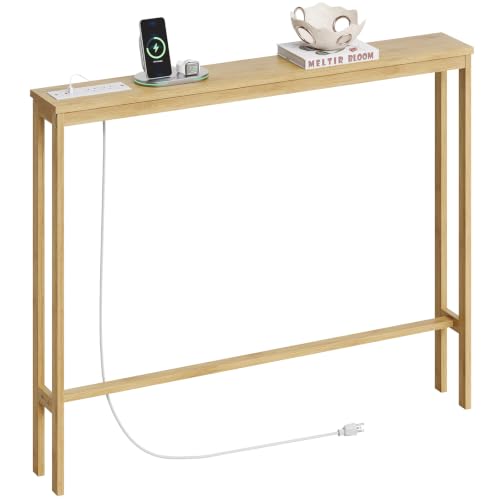
Intelligent Way to Use Compact Narrow Gap: One of the console table's dimension is 5.9"Dx39.4"Wx31.5"H, slim profile makes it easy to nestle in smaller gap to leave distance for wall vents and provide storage space for your beloved little showpieces

[Eco-Friendly Bamboo] : This console table is crafted from natural and eco-friendly bamboo materials, preserving the aesthetic appeal of natural textures to infuse your home space with a fresh and natural lifestyle vibe
Which Console Table Style Fits Your Home?
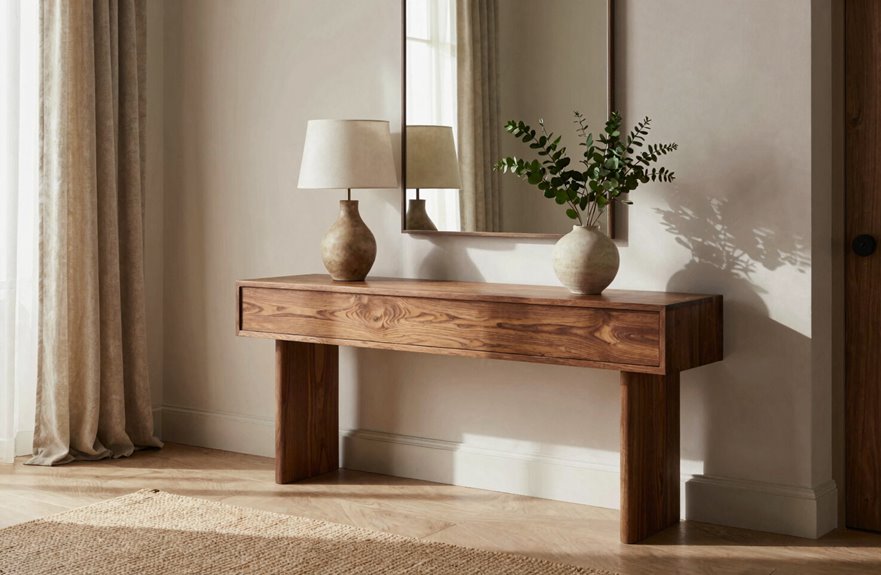
Which Console Table Style Fits Your Home?
Where should you begin when narrowing down console table styles? Start by assessing your existing décor and identifying whether you lean toward classic or contemporary aesthetics.
Understanding Your Options
Console table styles generally fall into distinct categories. Traditional consoles feature ornate carvings, curved legs, and rich woods like mahogany or oak, creating a timeless focal point. Modern alternatives prioritize clean lines and minimalist silhouettes for streamlined appeal.
When weighing traditional vs modern, consider your room’s architectural elements. Ornate moldings complement classic pieces, while open floor plans suit contemporary designs.
Exploring Hybrid Approaches
Mixed-materials options blend wood with metal or glass components, offering versatility across diverse interiors. Industrial styles combine weathered wood with metal fixtures for urban environments.
Select pieces that harmonize with your established color palette. This ensures cohesive visual flow throughout your space.

【STURDY & DURABLE】 Feature in solid wood. The floating hallway table was sprayed with high-quality finish, this entire frame is rugged and stable. features clean, non-toxic finishes to complement your healthy living space

【STURDY & DURABLE】 Feature in solid wood. The floating hallway table was sprayed with high-quality finish, this entire frame is rugged and stable. features clean, non-toxic finishes to complement your healthy living space
【STURDY & DURABLE】 Feature in solid wood. The floating hallway table was sprayed with high-quality finish, this entire frame is rugged and stable. features clean, non-toxic finishes to complement your healthy living space
Wood, Metal, or Glass: Pick Your Perfect Material
I want you to weigh how each material holds up against daily wear before committing to a purchase, since durability varies considerably between wood, metal, and glass options. The finish you select, whether polished, distressed, or powder-coated, shapes the table’s character and determines how smoothly it integrates with your existing décor. Understanding these comparisons allows you to match material strengths with your household’s specific demands.

SOLID ACACIA WOOD CONSTRUCTION – Crafted from durable solid acacia wood with a natural finish – each piece is unique with knots, cracks, and rich woodgrain variations that enhance its rustic character.

Fashionable Etryway Table: This MAHANCRIS industrial styled console table with storage combines the warmth of vintage wood tone and the sophistication of black metal frame, exuding elegance and rustic atmosphere, always bringing you a bright visual effect

【High Quality】The console table is made of premium P2 MDF, and the top is melamine veneer, waterproof, heat-resistant, and dust-free; you just need a damp cloth to keep it clean
Material Durability Comparisons
Durability serves as the foundation when evaluating which console table material will withstand daily use in your home. Each option presents distinct advantages for different lifestyles.
- Solid wood endures decades with proper care, resisting scratches better than alternatives.
- Metal withstands heavy use and environmental changes without warping or cracking.
- Glass demands careful handling but offers surprising strength when tempered.
- Mixed materials combine structural benefits, pairing wood bases with metal frames.
Maintenance requirements vary significantly. Wood needs occasional polishing to preserve its surface. Metal requires minimal upkeep beyond dusting. Glass demands consistent cleaning to maintain clarity. Your household’s activity level should guide this choice. High-traffic homes benefit from solid wood or metal, while quieter spaces accommodate glass. Consider how each material integrates with your existing décor, ensuring your console table becomes a lasting, functional element rather than a temporary accent.
Finish Style Impact
How does a finish transform a console table from ordinary to defining? The finish impact determines whether your piece blends into transition or stands as a statement.
Understanding Console Table Finishes
Your finish style selection shapes the entire room’s atmosphere. Wood consoles offer polished oak or distressed pine finishes, bringing warmth and timeless appeal. Metal options feature powder-coated steel or aged brass patinas, delivering industrial edge or modern sophistication. Glass consoles present clear, frosted, or colored tempered surfaces, creating visual lightness.
Making Your Selection
Consider these factors when evaluating console table finishes:
- Match wood distressing levels to existing furniture periods
- Select metal sheens that complement hardware throughout your space
- Choose glass opacity based on traffic patterns and cleaning preferences
Mixed-material pieces balance wood warmth with metal durability, offering versatile finish combinations for transitional spaces.
Console Table Storage: Drawers, Shelves, and Hidden Compartments
Where should you store everyday essentials when your console table sits in a high-traffic entryway? You need practical solutions.
Smart storage transforms your console table from decorative accent to functional furniture. Drawer storage works perfectly for concealing keys, remotes, and mail. Shelves create open display space for books and decor while maintaining an airy feel. Hidden compartments offer discreet spots for valuables you want completely out of sight.
- Install drawer organizers to separate keys from mail and gadgets
- Style open shelves with stacked books and small plants for balance
- Use fabric bins on lower shelves to hide clutter stylishly
- Position charging cables through back panels with built-in ports
These features keep your space tidy, accessible, and welcoming for everyone who enters your home.
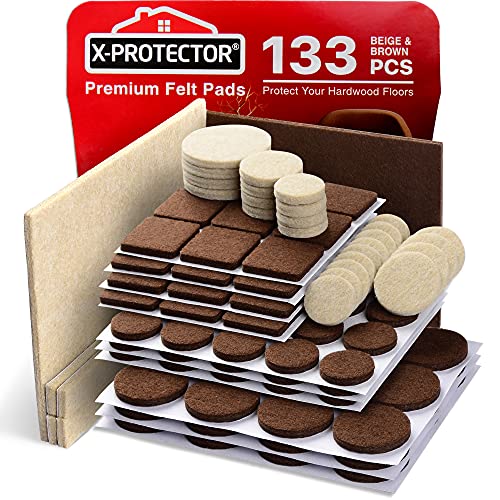
✌ X-PROTECTOR FURNITURE FELT PADS – best protection for Your wooden, laminate or tiled floors. Our furniture coasters create strong shields between floor and furniture, desks & tabletops, which carefully protect surfaces from scratches and scuffs.

✌Ultimate Floor Protection from Daily Scratches - Tired of seeing unsightly scratches and scuff marks on your beautiful hardwood or tile floors? Our premium felt furniture pads act as a robust barrier, effectively preventing costly floor damage caused by daily chair movements or accidental bumps. Perfect for homes with kids or pets, these chair leg floor protectors keep your surfaces pristine, eliminating the worry of dents and scratches on your beloved flooring investment.

Self-adhesive felt pads are easy to install and offer scratch-resistant protection of cabinets, counters, table tops, hardwood, linoleum, vinyl, tile, marble and countless miscellaneous surfaces
Console Table Buying Mistakes to Avoid
Why do so many console tables end up as cluttered obstacles rather than functional assets? This happens when buyers skip the fundamentals.
Common Buying Errors
| Mistake | Consequence |
|---|---|
| Ignoring scale and placement | Blocks walkways, creates visual imbalance |
| Prioritizing looks over storage | Surfaces pile up with daily clutter |
| Wrong depth for space | Cramped halls, awkward furniture gaps |
| Mismatched materials | Dated appearance, poor durability |
Measure your wall width first, then subtract 30–36 inches for clearance. Your console table must earn its spot through smart storage, not just style. Evaluate drawers and shelves for your actual clutter, not imaginary minimalism. Match wood, metal, or glass to existing finishes for cohesion. Scale and placement determine whether this piece welcomes guests or repels them.
Console Table Placement Ideas for Every Room
A console table’s versatility shines when you match its placement to your room’s specific demands. Strategic console table placement transforms awkward areas into functional, welcoming spaces that serve a practical purpose.
Consider these proven locations:
- Entryways — Create an immediate sense of arrival with a surface for keys and mail, establishing your home’s first impression
- Narrow spaces — Exploit that slim 10–18 inch depth behind sofas or in hallways without blocking traffic flow
- Dining room perimeters — Add serving space or display areas without consuming valuable floor area
- Compact bedrooms — Position wall-mounted versions as floating desks or vanity alternatives
Measure your available width and maintain 30–36 inches of walking clearance before purchasing. This prevents crowding and ensures your narrow spaces remain navigable.
Console Table Styling Ideas That Actually Look Good
Balance separates amateur arrangements from intentional design when you’re styling a console table.
Intentional design begins with balance—what separates styled spaces from cluttered surfaces.
Apply the Rule of Three
Group objects in odd numbers. Stack two books, add a small plant, and place a ceramic bowl. This creates visual rhythm without clutter.
Mix Heights and Textures
Combine tall candlesticks with low trays. Pair smooth glass with rough wood. Contrast draws the eye across your display.
Prioritize Purposeful Storage
Select a console table with drawers or shelves. Hide keys and mail, display only curated pieces. Storage keeps surfaces clean and functional.
Anchor with Scale
Place one dominant piece, such as an oversized lamp or tall vase, slightly off-center. Build outward with smaller items.
Edit Ruthlessly
Step back. Remove one object. Negative space prevents overcrowding.
Your console table should feel collected, not decorated. Restraint creates an intentional appearance.
Console Table Care: Maintenance Tips by Material
I’ve learned that proper console table maintenance depends entirely on your chosen material, so understanding the essential care routines for wood, metal, and glass surfaces is crucial. For wooden consoles, you’ll need to dust regularly with a soft cloth and apply wood polish to protect the finish, while metal varieties require occasional polishing with a damp cloth to prevent tarnish, particularly on brass or wrought iron. Glass-topped tables demand streak-free cleaning with appropriate solutions, and mixed-material pieces need separate, targeted approaches to preserve their original appearance and extend their functional lifespan.
Wood Surface Care
Regular dusting keeps your console table’s wood surface looking its best as part of a weekly routine. Wood care requires attention to detail, with these steps proven straightforward and effective.
- Dust weekly with a soft cloth to maintain surface shine across all wood types.
- Apply polish to polished finishes to enhance luster and create protective layers.
- Practice gentle cleaning using mild solutions; wipe spills immediately to prevent staining.
- Test products first on hidden areas, since oak, mahogany, pine, and teak respond differently to treatments.
Use coasters and felt pads under lamps and decorative items to shield wood from heat and moisture. These habits preserve your console table’s beauty and prevent deterioration over time.
Metal Maintenance Essentials
Why do metal console tables remain so popular? Their industrial edge and timeless versatility make them staples in homes that value both function and style. To help your piece last, follow these metal care practices.
Daily Maintenance
Dust your table weekly with a soft cloth. For tarnish prevention, polish occasionally using metal-specific products: brass polish for brass, stainless steel cleaner for steel. Never use harsh chemicals that corrode finishes.
Protective Measures
Check for protective coatings on frames and tops. These sealants minimize fingerprints and moisture damage, which is crucial in humid entryways or kitchens.
Finish Selection
In high-traffic areas, powder-coated or brushed finishes perform best. They hide scratches while maintaining durability, keeping your console looking intentional and well-maintained.
Glass Cleaning Techniques
Metal frames aren’t your only option for a sleek console table. Glass consoles bring an airy, modern feel to your space, whether you choose clear, frosted, or colored tops with beveled or tempered edges.
I keep my glass table pristine with these steps:
- Select a quality glass cleaner formulated specifically for streak-free results on console surfaces.
- Wipe in circular motions to remove fingerprints before they accumulate and etch the surface.
- Apply felt pads beneath decorative objects as protection against scratches and chips.
- Avoid dragging items across the top; lift and place carefully to preserve clarity.
Pair your glass top with wood or metal legs for stability without sacrificing that open aesthetic. Your entryway benefits from this polished, welcoming surface.
Small Space Console Table Hacks for Maximum Function
Tight quarters call for furniture that pulls double duty, and console tables fit the bill when you choose wisely.
Measure First, Buy Second
Console table depth matters most in narrow hallways. Stick to 10–18 inches deep and 28–32 inches high. This keeps walkways open while maintaining accessibility.
Wall-Mounted vs Freestanding
Wall-mounted consoles free floor space and create visual lightness. Freestanding units offer flexibility as needs change. Weigh permanence against portability before deciding.
Storage and Display Balance
Small surfaces demand discipline. Layer three items at staggered heights: low, medium, tall. This creates visual flow without clutter.
Clearance Rules
Leave 30–36 inches for walking. Measure your width, check adjacent furniture proportions, and maintain visual alignment throughout.
What to Spend: Budgeting for Quality Without Overpaying
How much should you actually spend on a console table? Setting a realistic console table budget means balancing material quality with genuine value.
Smart spending approach:
- Set your range: Allocate $150-$800 for most homes, reserving higher amounts for heirloom pieces.
- Prioritize construction: Check drawer joints and frame stability before considering aesthetics.
- Evaluate materials: Select solid wood for longevity, or quality veneers when budget tightens.
- Factor hidden costs: Include delivery fees and protective treatments in your total.
Avoid overspending on trends that lose appeal quickly. Instead, invest where durability matters most. A well-built console serves decades, making mid-range selections often smarter than bargain hunting. Material quality directly impacts daily satisfaction and extends the furniture’s usable lifespan.