
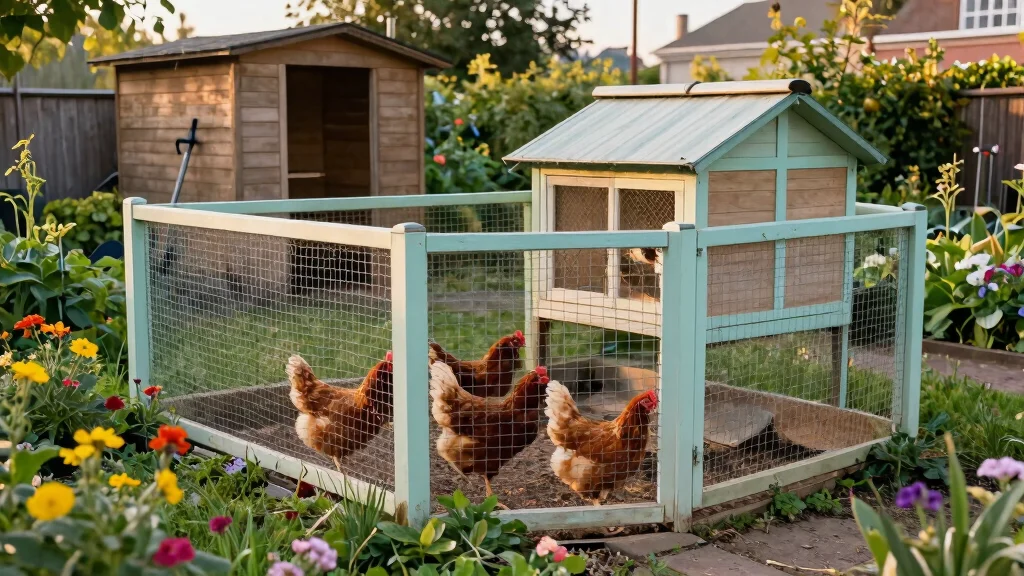
In the world of urban chicken keeping, safety is a top concern. As the sun sets, predators like raccoons, foxes, and even neighborhood dogs come out to play, posing a real threat to your beloved flock. That’s why I’ve put together this post. I want to help you ensure that your chickens stay safe and sound throughout the night. With the right chicken wire fence ideas, you can create a protective barrier that keeps these unwanted visitors at bay.
This guide is for all urban chicken enthusiasts who are passionate about their flocks but also aware of the dangers lurking in the shadows. If you care about the well-being of your chickens and are looking for practical solutions, you’re in the right spot. I’ve compiled 12 creative and effective chicken wire fence ideas that are not only functional but can also add a bit of flair to your garden.
What you’ll find here are fencing concepts that are clever, DIY-friendly, and tailored to provide the ultimate predator protection. From elevated designs to decorative panels, these ideas are practical and stylish, ensuring your chickens enjoy a safe and secure home. Let’s dive in and explore these innovative options that will give you peace of mind as the night falls.
Key Takeaways
– Elevated chicken wire fences can deter ground predators and provide a neat look to your coop.
– Combining chicken wire with pallets creates a rustic fence that’s budget-friendly and effective.
– Decorative panels not only enhance your garden’s aesthetic but also serve as a sturdy barrier against threats.
– Nighttime protective covers are vital for added security, ensuring your chickens are safe from aerial attacks.
– Automatic gate systems offer convenience and an extra layer of security, making it easier to manage your flock.
1. Elevated Chicken Wire Fences
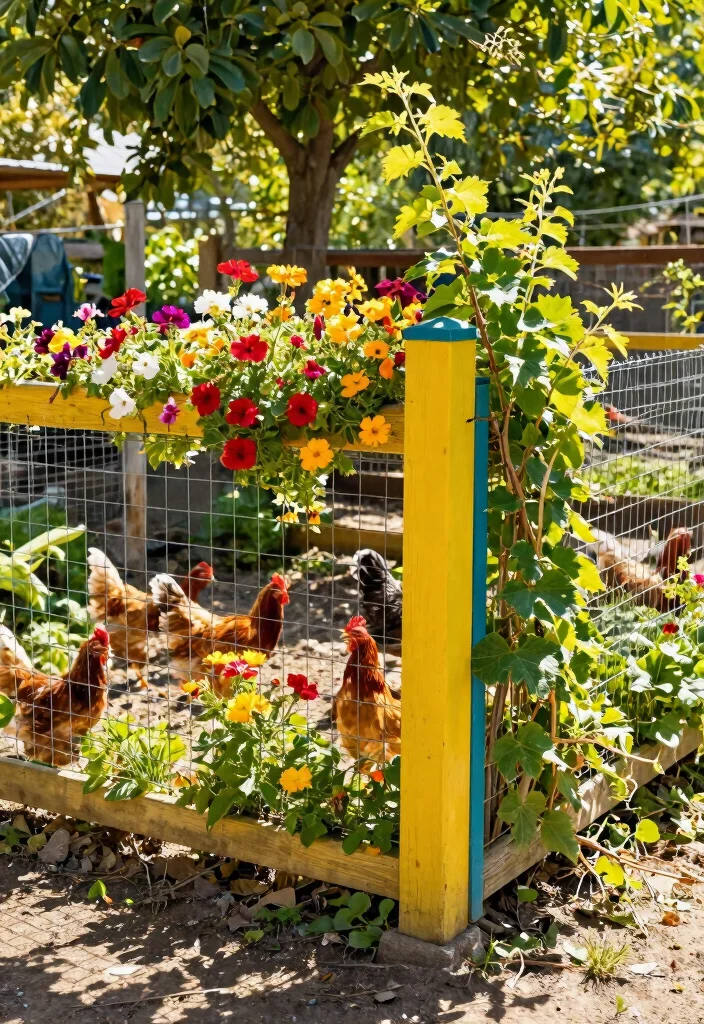
Elevated chicken wire fences are a smart way to protect your flock while enhancing your garden’s appearance. By lifting the fence off the ground, you create a barrier that deters digging predators like raccoons. You can use vibrant wooden posts to not only secure the wire but also add a pop of color to your outdoor space. These fences can also double as trellises for your favorite climbing plants, giving your garden a beautiful and layered effect.
Start by determining the ideal height for your fence, typically one to two feet. Use sturdy wooden posts and ensure they are anchored well for stability. You can even plant flowers or trailing vines at the base to create a more inviting atmosphere.
Key design ideas:
– Incorporate different heights for visual interest.
– Choose galvanized chicken wire for longevity.
– Conduct regular inspections to fix any potential weak spots.
This design not only keeps your chickens safe but also elevates the charm of your garden.
Fun fact: Elevating your chicken wire fence by 12–18 inches reduces predators’ digging and turns the fence into a colorful trellis. Practically, a higher fence is safer and more decorative—win-win for your garden.

[CUTTABLE, SPLICEABLE] Chicken wire mesh measures 16.9 inches x 32.8 feet, which is suitable for large areas. Galvanized chicken wire is soft and flexible but stronge. It is bendable and easy to cut. You can also join mesh together if the height is not enough. Chicken wire fencing is double hot-dip galvanized for maximum rust protection and longer life. Designed with double twist hexagonal, chicken fence is more durable and less likely to break
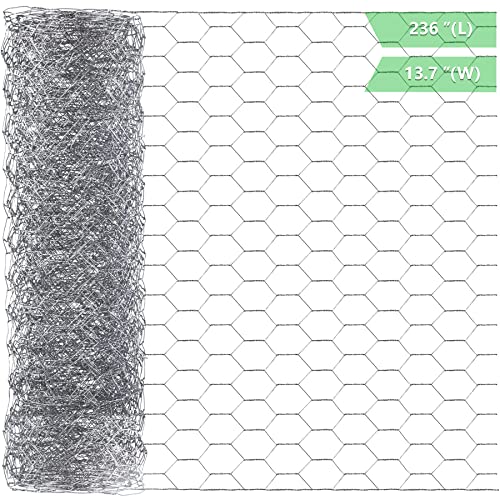
【Large Size】Each mesh is 13.7 inch (width) x 236 inch (length) / 0.35 m x 6 m, 0.8 x 1.38 inch mesh. Wire fencing is long and wide enough to enable you to cut off any shape that you need
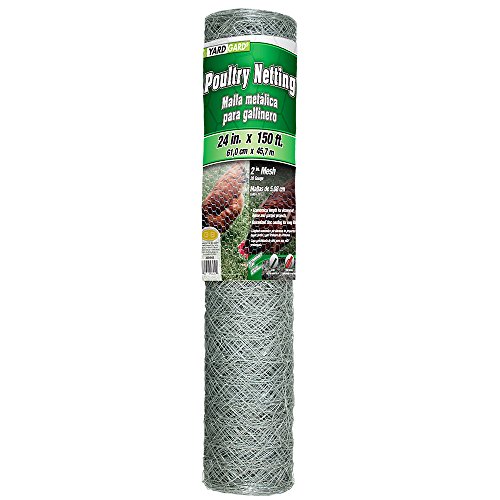
HEAVY DUTY MATERIAL – Made from strong yet lightweight 20‑gauge galvanized steel designed to endure outdoor conditions and long‑term farm use
2. Chicken Wire and Pallet Fencing
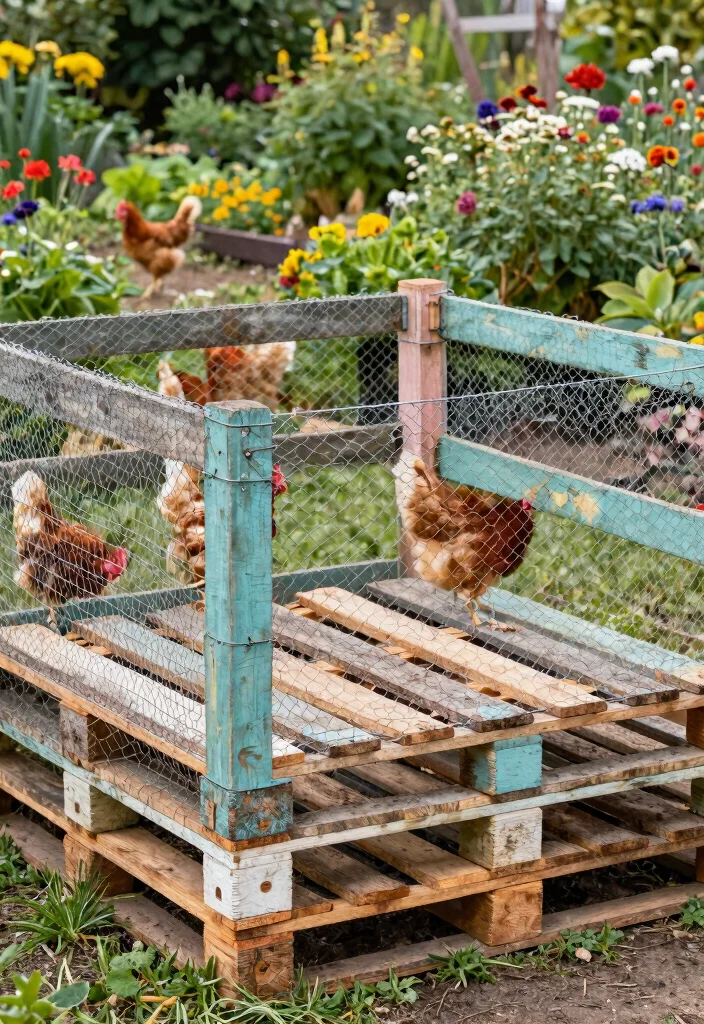
Transform recycled pallets into a charming and budget-friendly chicken wire fence. Pallets can often be sourced for little to no cost, making this both a practical and eco-conscious choice for your backyard. Stack the pallets on their sides and attach chicken wire to create a rustic barrier that keeps predators at bay while adding character to your garden.
To get started, treat the pallets with a non-toxic sealant to extend their lifespan. Consider painting them in bright colors to match your garden theme, creating a fun and vibrant look.
Key steps to consider:
– Seal pallets to protect against the elements.
– Customize colors to fit your style.
– Enjoy the sustainability of using repurposed materials.
Your chickens will thrive in this secure and visually appealing environment.

High-Quality Anti-Rust Process This hardware cloth is made from high-strength low-carbon steel wire, combining excellent strength with flexibility. After precision welding, the entire product undergoes a premium anti-rust treatment—hot-dip galvanization—with special reinforcement at all seams and corrosion-prone areas to ensure uniform, dense coating and outstanding rust resistance. This process grants the product superior weather resistance, making it an ideal choice for wire mesh fencing and long-term outdoor applications.

Material and size: The size of the hardware cloth is 16 inch×50 ft and 1/2 inch×1/2 inch thickness, adopt 19 guage hot-dipped galvanized material
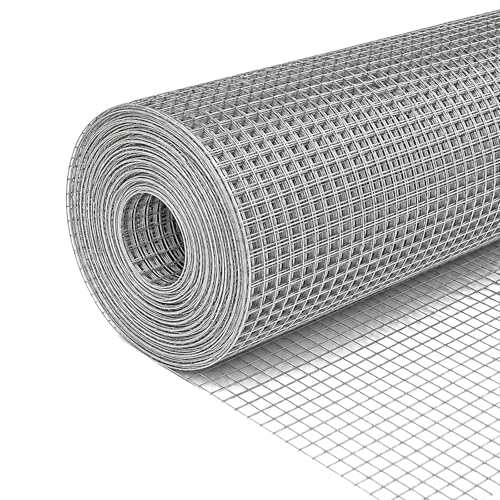
Hardware Cloth 1/2inch for Chicken Coop – 16 inch x 50 ft welded wire mesh made from 23-gauge galvanized steel hardware cloth. Provides reliable strength and flexibility for chicken wire fencing, garden protection, and general outdoor use
3. Decorative Chicken Wire Panels
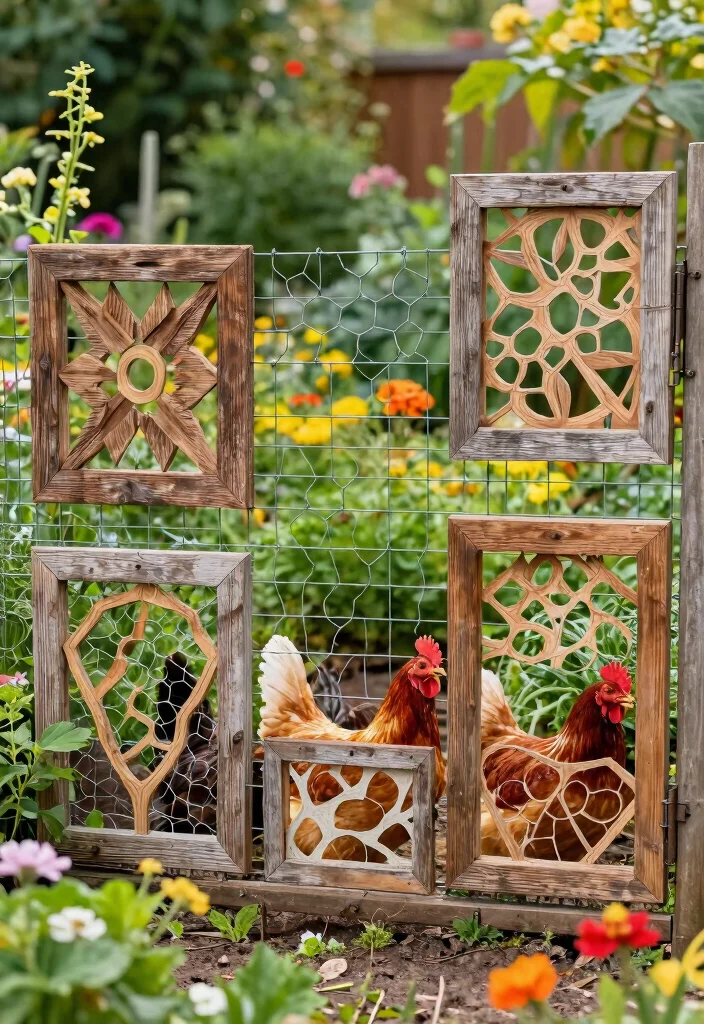
Elevate your chicken wire fence into an artistic statement with decorative panels. These panels serve a dual purpose, acting as both protective barriers and beautiful garden ornaments. You can either buy pre-made options or craft your own by framing chicken wire in unique shapes, incorporating elements like driftwood for added flair.
Think about the shapes you want—arches or geometric designs can really make your fence stand out. Customize the frames with paint or stains that complement your garden’s color scheme.
Creative options include:
– Use unique shapes to enhance visual appeal.
– Personalize with colors that match your garden.
– Ensure that decorative elements do not weaken the structure.
With this approach, your fence becomes a focal point, blending functionality with beauty.

1. Versatility: Suitable for a variety of pet and garden uses, serving as a protective fence for poultry, dogs, rabbits, chickens, and against snake barriers.

Durable Material: This chicken wire fencing is made of good plastic, which is wear-resistant and long-lasting; the sturdy mesh can protect your poultry for a long time

【High quality 】: Hardware cloth generally uses cold plating and hot plating process of galvanizing process, cold plating galvanizing process is easy to rust after a long time, while we use hot plating galvanizing process, can achieve a long time in the outdoor use is not easy to rust.You can use our Galvanized Wire Mesh Roll with confidence
4. Combination Fence with Wood and Chicken Wire
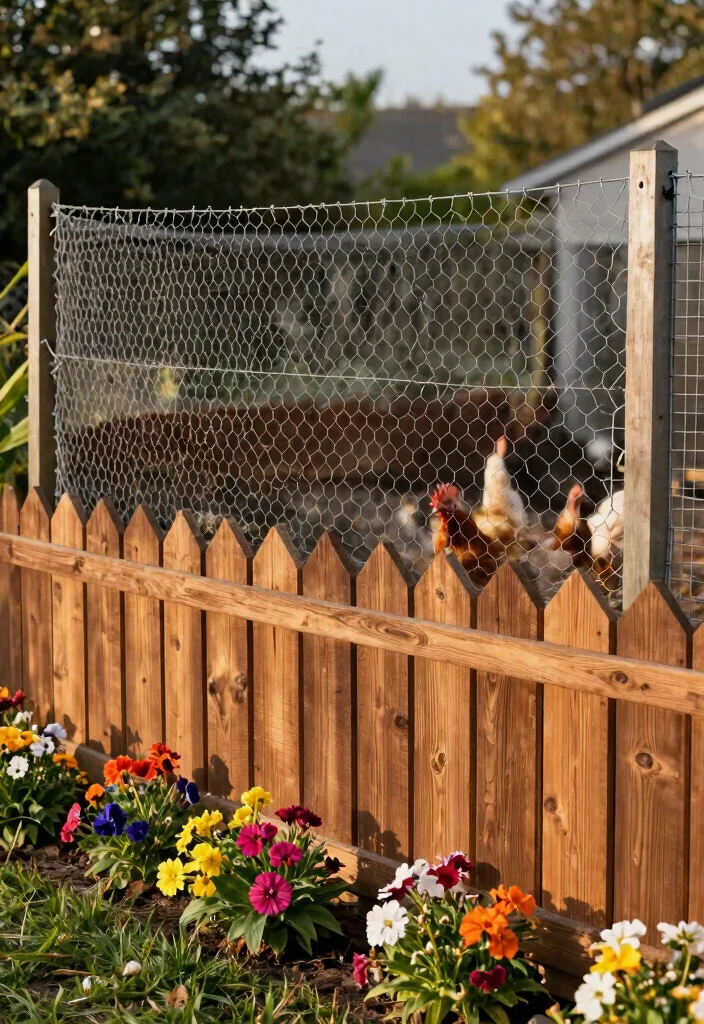
For a sturdy yet stylish fence, combine wooden panels with chicken wire. This robust design keeps larger predators out while maintaining an open feel that invites you into your garden. The wooden base provides strength, while chicken wire adds visibility and security, letting you enjoy your outdoor space without feeling boxed in.
Choose horizontal wooden slats for a modern look or traditional pickets for a classic vibe. Ensure that the chicken wire is tightly secured to avoid any gaps that predators might exploit.
Design considerations:
– Opt for horizontal slats for a contemporary appearance.
– Use this style to deter larger animals while remaining attractive.
– Check the wire regularly for tightness.
This combination offers an ideal balance of aesthetics and safety for your garden.

Product details: The size of the hardware cloth is 16 inch×50 ft and 1/2 inch×1/2 inch thickness, adopt 19 guage hot-dipped galvanized material. It is very suitable for repairing damaged chicken coops, gaps under houses and other small-sized damaged holes.

Advanced Series with Upgraded High-Stability: This model features a robust galvanized steel structure with 8 reinforced support bars for reliable stability. Also comes with 2 bowls. It offers a high-performance solution for daily outdoor use, providing a secure and steady habitat for your poultry in any backyard

【Upgraded & Unbreakable Hardware Cloth】Guiferland chicken coop features upgraded hardware cloth, made from premium annealed steel wire with a tighter 0.75″ mesh and PVC-coated for outstanding rust resistance and long-lasting outdoor durability. This design not only improves strength but also creates a reliable barrier to keep out raccoons, snakes, and other potential threats. Ideal for chickens, ducks, and small animals, it keeps your flock safe and secure year-round
5. Greenery-Covered Chicken Wire Fences
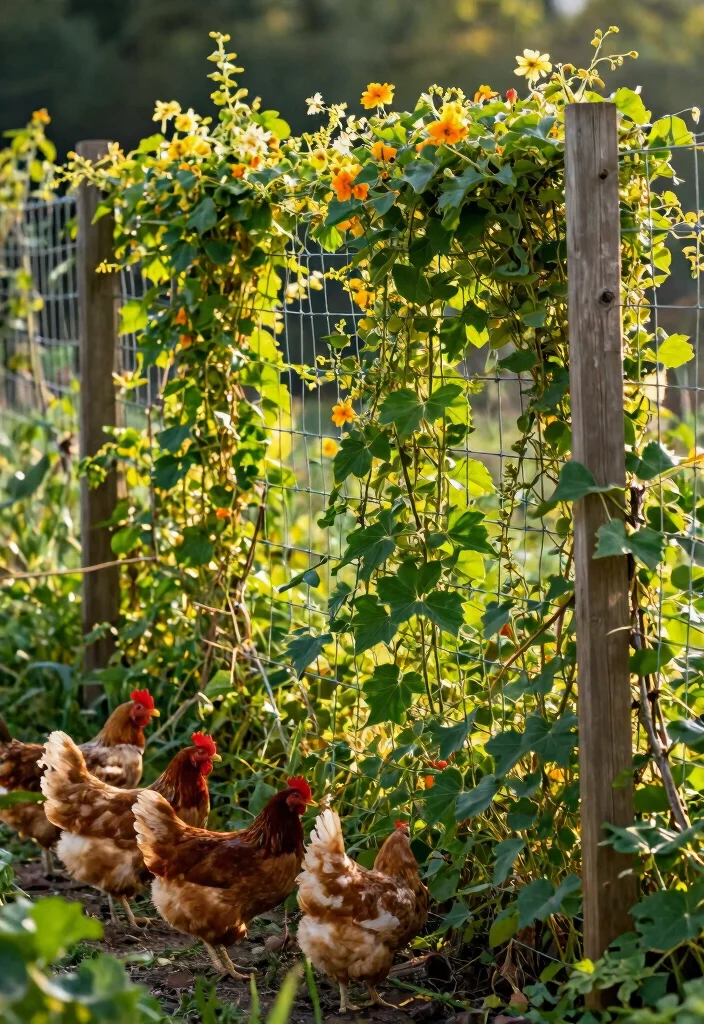
Enhance your chicken wire fence by letting climbing plants go to work. Covering the wire with lush vines not only softens its appearance but also camouflages it, making it less noticeable to predators. Plants like sweet peas or climbing roses can create a vibrant, green sanctuary for your chickens.
Select fast-growing and hardy varieties to ensure quick coverage. Regular pruning will keep the plants healthy and manageable, allowing you to enjoy seasonal blooms.
Key planting tips:
– Choose fast-growing plants for quick coverage.
– Maintain plants with regular pruning.
– Enjoy a dynamic look that changes with the seasons.
This option fosters a thriving ecosystem, making your garden a haven for both plants and poultry.

【Durable Gravity Gate Latch】 SANKINS heavy duty self closing gate latch made of thicken steel with anti-rust black powder coat finish & zinc plated corrosion resistance, features a self-latching fingertip release, also could be operated with a wire.
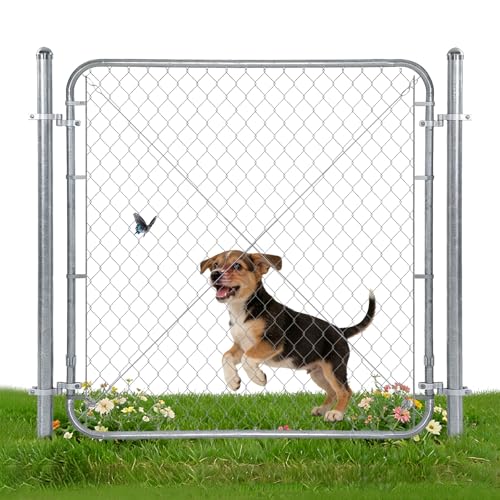
Any Yard or Garden: This chain link fence gate features a fixed 48" height with a width that adjusts from 24" to 72", making it easy to customize for yard gates, garden fences, or backyard pathways without cutting or resizing

Electric Chicken Fence Gate: the electric poultry netting gate measures 47" L, with a final installed height of 48"; The gate features robust black posts and green net that contribute to overall stability, which are designed to be inserted securely into the ground; This ensures the gate remains upright and functional, providing a reliable and consistent access point in your fence line
Key Trade-offs & Our Top Pick
Option 1: Elevated Chicken Wire Fences
– Pros:
– Keeps chickens off the ground, reducing contact with potential predators.
– Allows for better airflow and sunlight through the coop.
– Easier to maintain the area underneath the fence.
– Cons:
– More expensive to build due to additional materials needed.
– Requires more DIY skills for proper construction.
– Can be less aesthetically pleasing in some garden designs.
– Best for: Urban chicken keepers looking for a sturdy, long-lasting solution that minimizes predator access.
Option 2: Chicken Wire and Pallet Fencing
– Pros:
– Cost-effective as pallets are often free or low-cost.
– Easy to customize the height and shape of the fence.
– Eco-friendly by repurposing materials.
– Cons:
– Less durable compared to solid wood or metal fences.
– Requires regular maintenance to prevent decay.
– May not deter larger, more persistent predators.
– Best for: Budget-conscious gardeners who want a DIY project to enhance their chicken coop.
Option 3: Decorative Chicken Wire Panels
– Pros:
– Adds aesthetic appeal to your garden while providing security.
– Easy to install and move around for versatility.
– Can blend nicely with existing garden features.
– Cons:
– May not provide as much predator protection as other heavier options.
– Limited height can be a concern for more agile predators.
– Requires additional reinforcement for increased security.
– Best for: Gardeners who prioritize style and design while still wanting some protection for their chickens.
Option 4: Combination Fence with Wood and Chicken Wire
– Pros:
– Combines the strength of wood with the flexibility of chicken wire.
– More effective against larger predators due to the sturdy base.
– Provides a classic look that can enhance your yard’s appeal.
– Cons:
– More labor-intensive and time-consuming to build.
– Higher costs due to needing both wood and wire materials.
– Wood requires treatment to prevent rot and pest infestations.
– Best for: Those looking for a balance of security and aesthetic appeal in their urban chicken setup.
Expert Recommendation:
Best Overall: Combination Fence with Wood and Chicken Wire
This option stands out as it offers the best mix of security and style for most urban chicken keepers. You get the durability of wood combined with the lightweight nature of chicken wire, making it effective against a range of predators while still looking good in your garden. The combination allows for easy installation, and with proper treatment, it ensures long-term durability. Plus, it can adapt to various styles, ensuring your garden remains beautiful.
Why We Picked This:
While the combination fence is our top choice, those who are on a tighter budget may lean towards the chicken wire and pallet fencing. If aesthetics are your primary concern, decorative panels might be more appealing. Consider your specific needs, skills, and the type of predators in your area when making your decision.
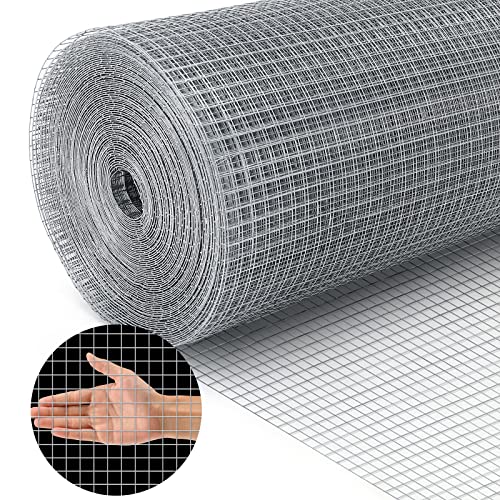
Material and size: The size of the hardware cloth is 16 inch×25 ft and 1/2 inch×1/2 inch thickness, adopt 19 guage hot-dipped galvanized material

Chicken Wire Fence: Protect your garden plant flowers, vegetables, fruits from annoying animals like cat, dogs, squirrels, rabbits, rats, deer, hawks, raccoons, skunks, foxes.

Longth Metal Chicken Wire Fencing Mesh - 24 Rifny chicken wire mesh measures 16.5" (H) x 60ft (L), both lightweight and sturdy, making it easy to shape, spliceable and cut to your desired specifications. 1 inch hexagonal fine mesh design(even the chicks cannot pass) provides optimal protection while allowing airflow. This chicken Fence is perfect for securing a large area, whether it's for vegetable garden and yard, chicken coop, Raised Bed or any other purpose
6. Chicken Wire with Recycled Materials
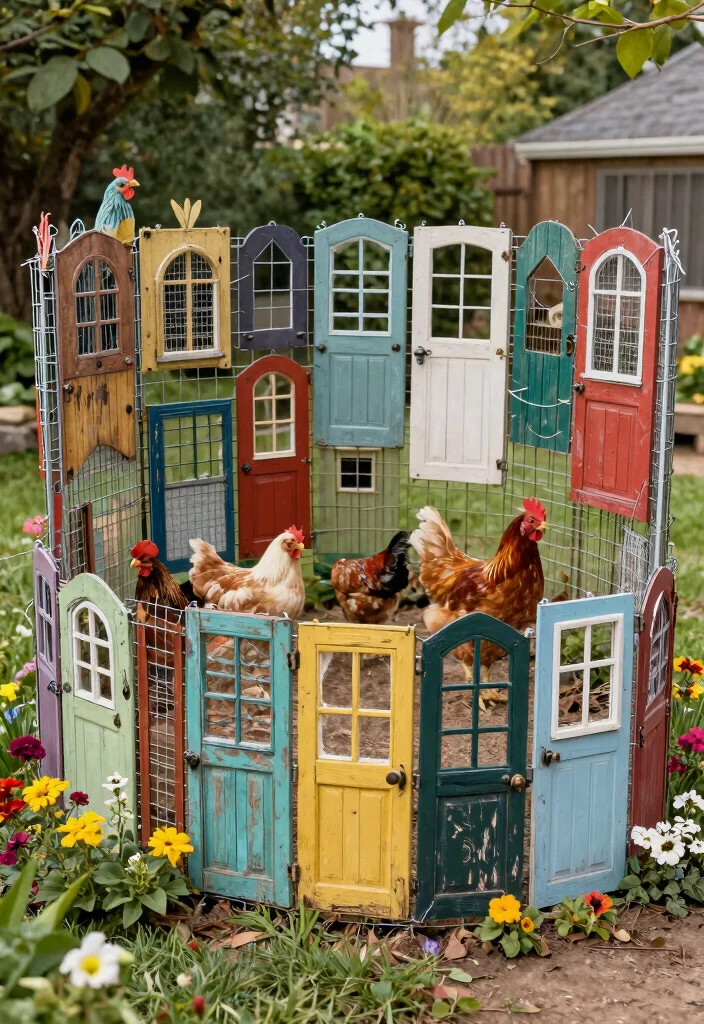
Get creative by using recycled materials to build a unique chicken wire fence. Old windows, doors, or bicycle wheels can add charm and personality, turning your fence into a conversation starter. This approach not only showcases your creativity but also helps reduce waste, making it a sustainable choice.
Combine various materials to create a whimsical patchwork effect. Ensure that all items are securely fastened and treated for weather resistance to prolong their life.
Fun features to include:
– Create a patchwork design with different materials.
– Use recycled items to reduce waste.
– Ensure everything is weather-resistant for durability.
This whimsical touch adds character while securing your flock.

Hardware Cloth Master: Sanzeus chicken wire fencing features a 48 inch x 100 foot roll with 1/2 inch x 1/2 inch openings. Employ this to shield vegetables and flower roots,...
7. Multi-Layered Chicken Wire Fencing
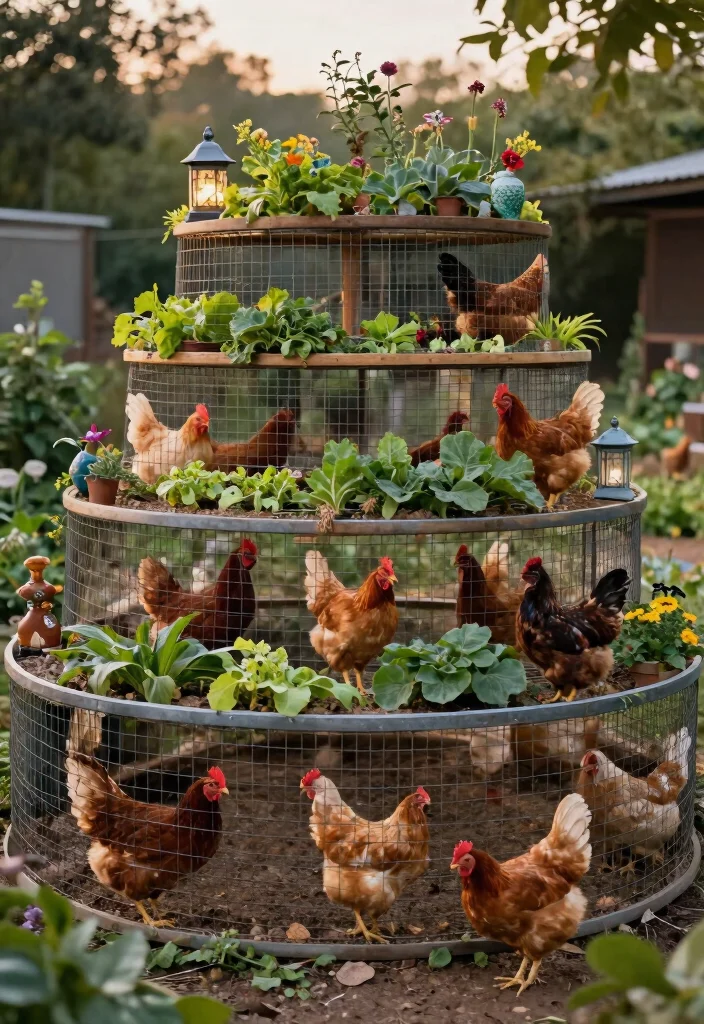
If you’re in a high-predator area, consider a multi-layered chicken wire fence for extra security. This design involves creating two or three layers of fencing, making it significantly harder for predators to access your chickens. Space the layers a few feet apart to give your chickens a safe area to roam.
Make sure each layer is firmly anchored into the ground for stability. You can also add decorative elements between the layers, like lanterns or garden sculptures, to enhance the visual appeal.
Important considerations:
– Securely anchor each layer into the ground.
– Include decorative elements for charm.
– Create an engaging space for chickens to explore.
The extra effort offers peace of mind and a stunning garden sanctuary.

【Durable Material & Size】Our hardware cloth measures 16in x 50ft with a 1/2 inch square opening, made of 19 gauge hot-dipped galvanized steel. This hardware cloth 1/2 inch is strong, rust-resistant, and designed for long-lasting outdoor use

【Upgraded Dig Defense Gap】Upgraded yard fence gap is reduced to 1.26 inches, which can more effectively prevent pets from breaking free from the gap to escape or other small animals from entering and damaging your garden and yard. You will receive 10 pcs garden fencing, snaps and zip ties, total length about 10.83 ft
8. Stylish Painted Chicken Wire Fences
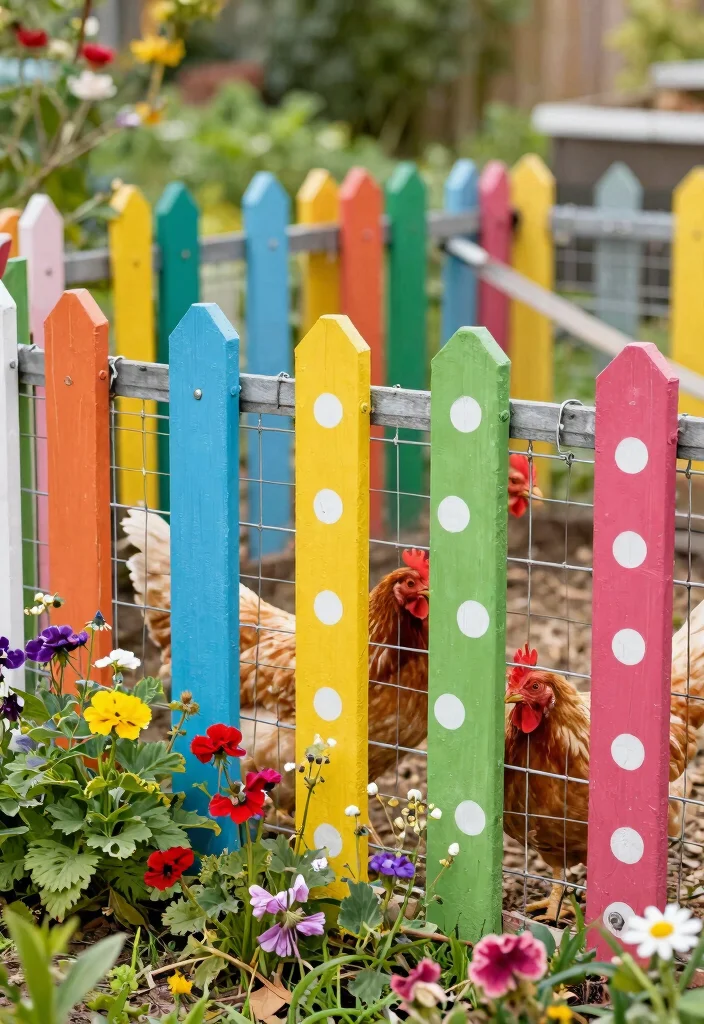
Why stick with ordinary when you can go vibrant? Adding paint to your chicken wire fence can transform it into a colorful masterpiece that reflects your style. Opt for bright shades that enhance your garden or softer tones for a more subtle look. Paint either the wire or the supporting wooden posts for added visual interest.
Choose non-toxic, weather-resistant paints for durability. Get creative with patterns, such as stripes or polka dots, to make your fence truly unique.
Painting ideas:
– Use non-toxic paints for safety.
– Experiment with fun designs to catch the eye.
– Coordinate colors with your garden’s flowers for harmony.
A stylish painted fence serves a purpose while becoming a stunning focal point.

[Elite: Enhanced Reinforced Frame] - This structure features extra-reinforced galvanized poles and 12 support bars for max stability. Built to withstand winds and snow, this rust-resistant enclosure provides a secure, long-lasting home for your poultry in any outdoor farm or backyard environment.
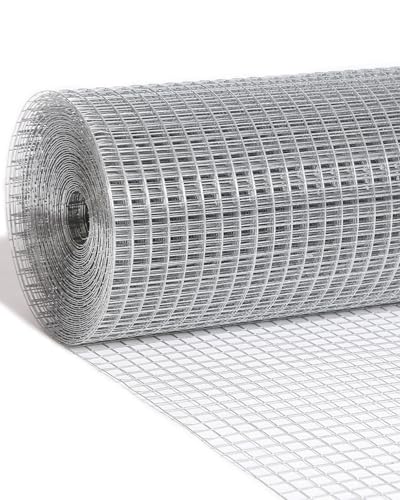
Premium Galvanized Construction – Made with 1/2 inch x 1/2 inch mesh, 48 inches x 100 feet (1.22m x 30.5m), from galvanized annealed steel wire. The wire mesh is double-galvanized after welding, offering exceptional corrosion and rust resistance. It’s securely packed in a durable carton to ensure no torn edges and to keep the product in perfect condition during shipping

【Heavy-Duty 19-Gauge Black Vinyl-Coated Hardware Cloth (48"x100')】 Built tough! 19-gauge galvanized steel with double-layer black vinyl coating resists rust and harsh weather—thicker than standard 23-gauge! Perfect for chicken wire fencing, vinyl fencing, and underground gopher wire mesh—no corrosion, even in wet soil.
9. Nighttime Protective Chicken Wire Covers
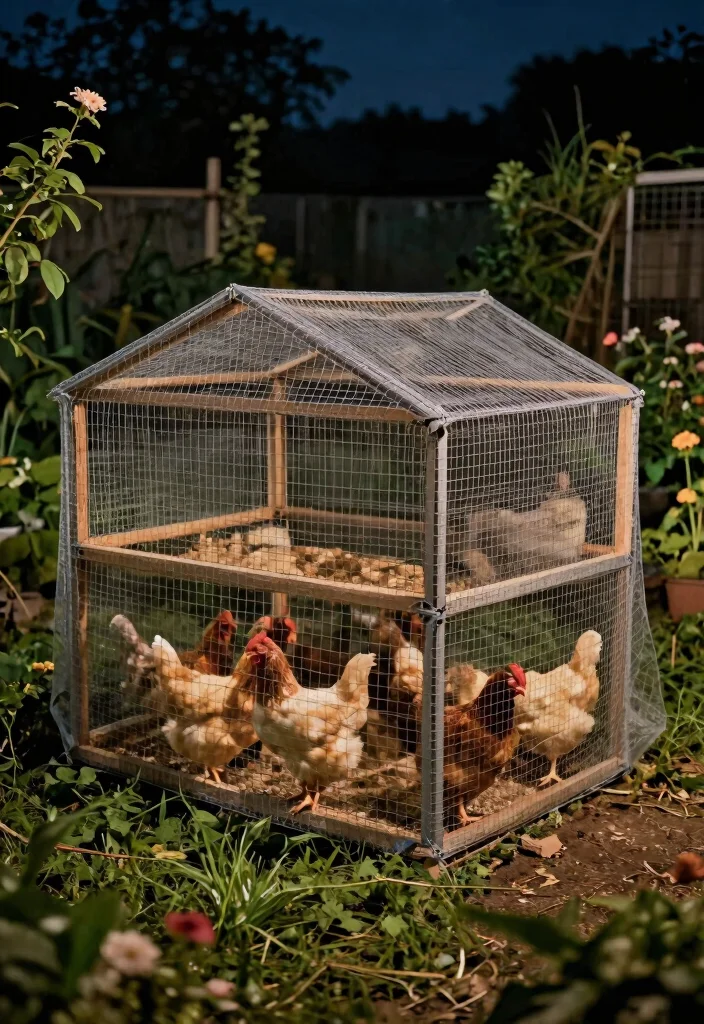
For secure nighttime protection, consider chicken wire covers that easily shield your coop and yard. These covers can be custom-fitted to your space, providing a robust barrier against nocturnal predators. Simply roll out the cover and secure it at night, then remove it during the day for an open area.
Craft a simple frame to hold the chicken wire in place securely. Ensure it can be opened and closed effortlessly for convenience.
Key features to incorporate:
– Create a simple frame for stability.
– Ensure easy access for daily use.
– Use this method for temporary setups as needed.
With a protective cover, you can rest easy knowing your chickens are safe at night.

Protect Your Livestock: This electric fence is 47.2 inches (120 cm) high and 164 feet (50 meters) long. It creates a safe outdoor space for your poultry, such as chickens, ducks, turkeys, and geese, and a secure area for other livestock, protecting them from predators

Electric Chicken Fence Gate: this electric poultry netting gate measures 37" L, with a final installed height of 50"; The gate features robust black posts and green net that contribute to overall stability, which are designed to be inserted securely into the ground; This ensures the gate remains upright and functional, providing a reliable and consistent access point in your fence line

【Gravity Self-Locking Gate Latch】Automatic gate latch made from heavy gauge steel construction with superior black powder coat finish & zinc plated corrosion resistance, designed to offer simple but solid security for inward and outward swinging gates and doors, features a self-latching fingertip release-can also be operated with a wire.
10. Automatic Chicken Wire Gate Systems
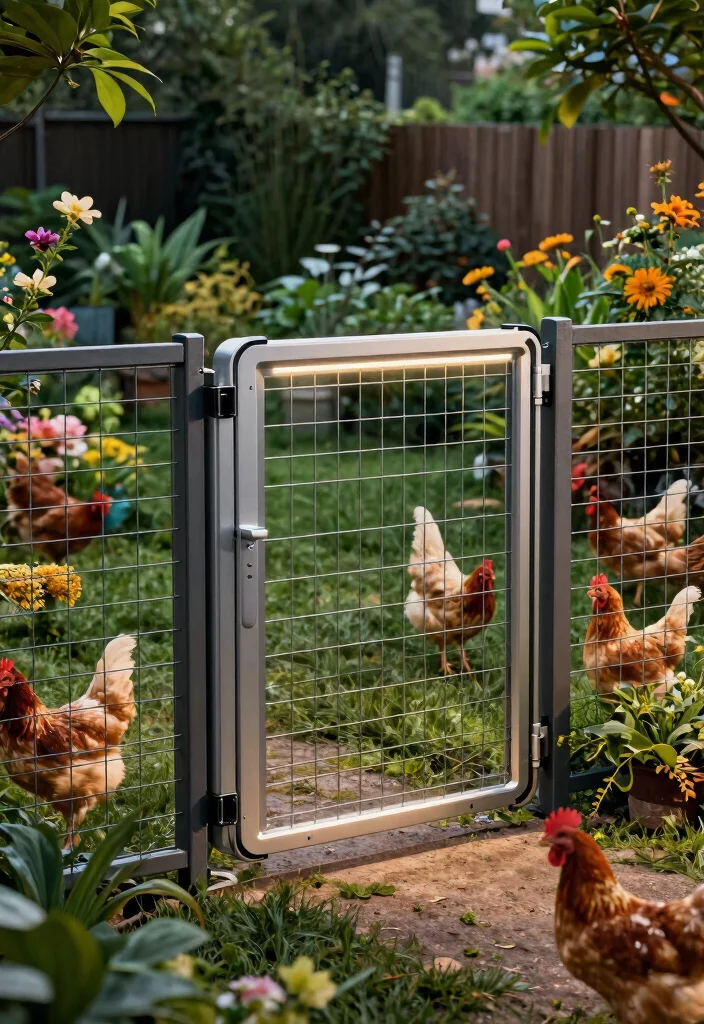
An automatic gate system can simplify your chicken coop setup while enhancing security. These systems integrate seamlessly with chicken wire fences, allowing for easy access without fumbling with manual locks. While there might be an initial cost, the convenience and added security are well worth it.
Look for options that offer remote access or timed openings to suit your schedule. Regular maintenance is key to keeping the mechanics functioning properly.
Features worth considering:
– Seek remote access options for convenience.
– Maintain the gate regularly for smooth operation.
– Explore DIY solutions for a personal touch.
An automatic gate brings modern convenience to traditional chicken keeping, enhancing both security and ease.
11. Chicken Wire Fencing with Solar Lighting
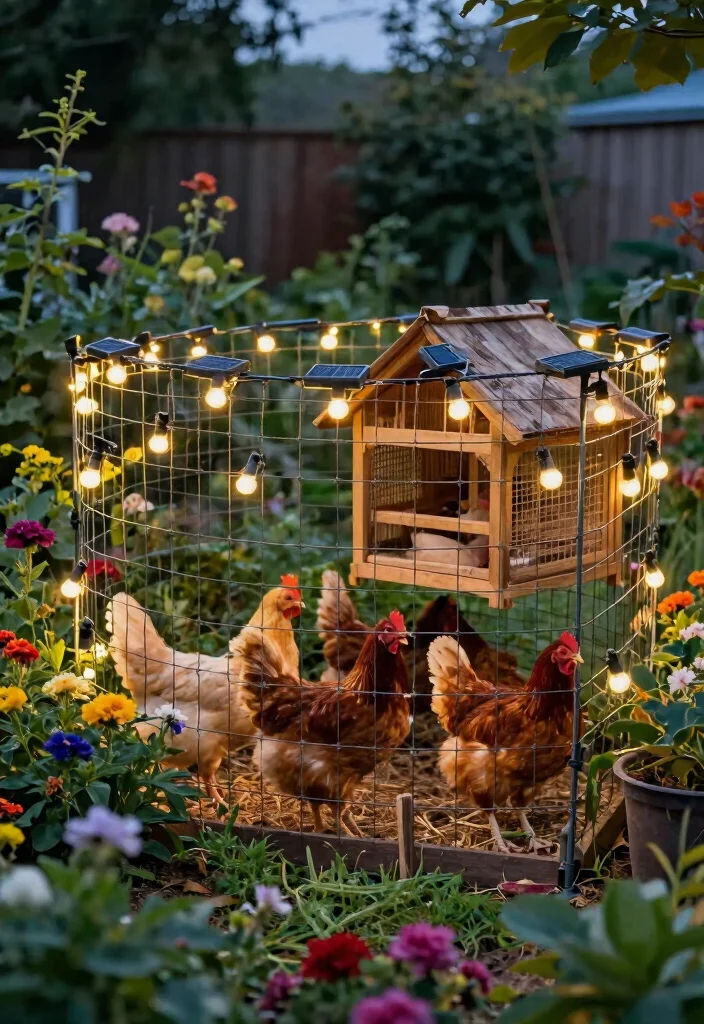
Combine practicality with beauty by adding solar lights to your chicken wire fence. At night, these lights illuminate your yard, creating a peaceful ambiance while deterring nighttime predators. Solar lighting is energy-efficient and low-maintenance, making it a smart addition for added safety.
For maximum visibility, install lights along the top of the fence or on posts. Choose from various styles, like string lights or lanterns, to match your garden decor.
Lighting tips:
– Install lights for maximum visibility.
– Select styles that align with your garden aesthetic.
– Enjoy the dual benefit of security and charm at night.
Your backyard can become a serene retreat while ensuring your chickens are safe.
Fun fact: Solar lighting on a chicken wire fence can cut nighttime predator visits by up to 60% while costing nothing after installation. It shines along the top posts, making your yard safer and beautifully illuminated.
12. Customizable Chicken Wire Fencing Kits
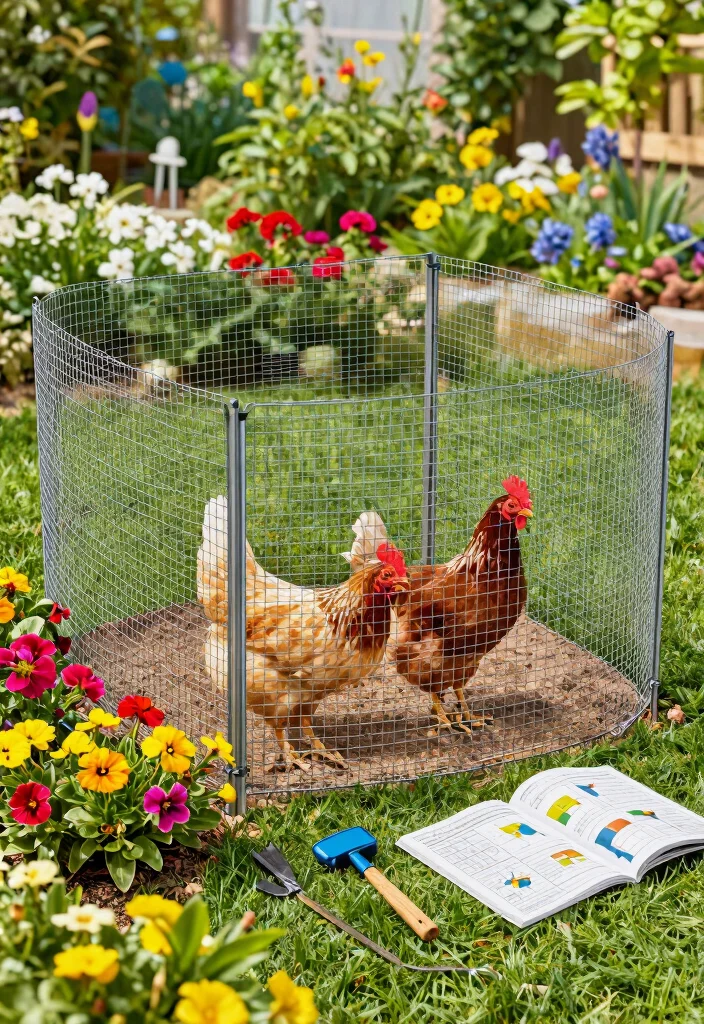
For the ultimate convenience, choose customizable chicken wire fencing kits that come with everything you need for a secure enclosure. These kits typically include pre-cut chicken wire, posts, and installation instructions, making it easy for anyone to set up. You can select dimensions that fit your specific needs, ensuring a perfect match for your coop and garden.
Kits save you time and eliminate excessive planning. Many also offer design options, allowing you to choose a style that complements your outdoor space.
Benefits of using kits:
– Save time with pre-cut materials.
– Choose styles that fit your aesthetic.
– Ensure durability with reinforced wire.
Customizable kits provide an easy way to secure your chickens while allowing your creativity to shine.
Pro tip: customizable chicken wire fencing kits cut setup time by half—just pick your dimensions, snap in posts, and you’re done. A secure chicken wire fence means happier coop neighbors and fewer late-night predation worries.
Conclusion
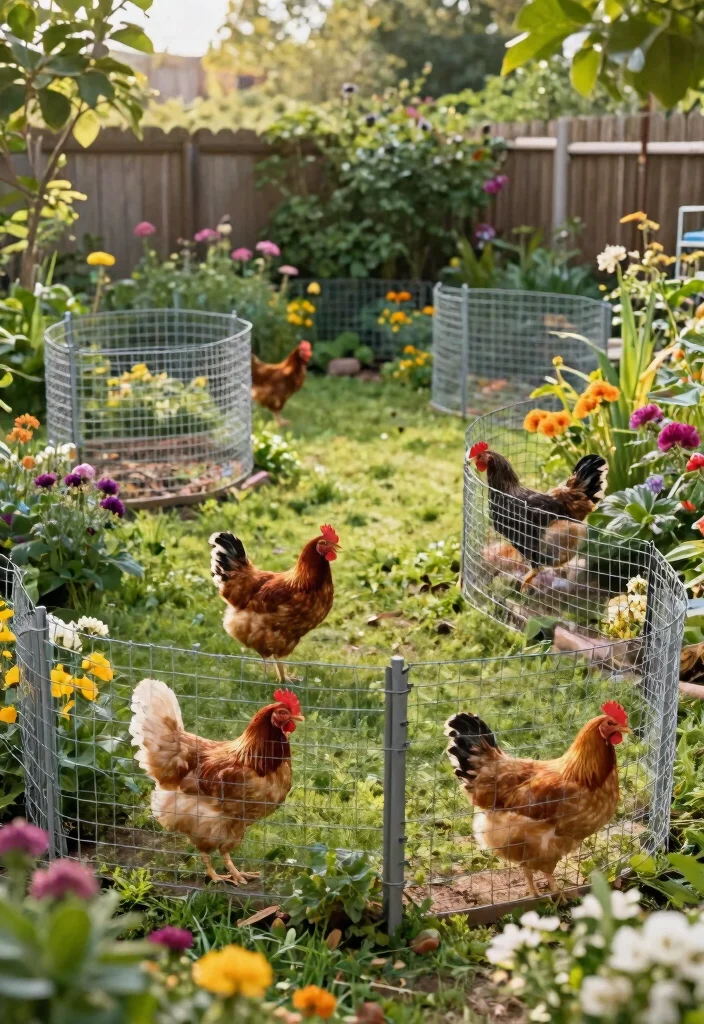
Creating the perfect chicken wire fence goes beyond just functionality; it’s about enhancing your garden while keeping your precious chickens safe from predators.
With these twelve unique ideas, you can easily find a method that suits your style and security needs. Whether you opt for a DIY project or invest in a ready-made solution, the right fencing can transform your chicken-keeping experience into a delightful adventure. So, gather your supplies, unleash your creativity, and watch your backyard thrive!
Frequently Asked Questions
What should I consider when choosing a chicken wire fence for predator protection in urban chicken keeping?
Choosing the right chicken wire fence in urban settings means balancing cost, strength, and predator protection. For urban chicken keeping, start by identifying common predators in your area. For general protection, plan a layered approach: use a sturdy fence with at least 4 feet height, and consider upgrading the bottom with hardware cloth (1/2 inch to 1/4 inch mesh) or burying 12–18 inches of mesh to stop digging. Use galvanized posts, secure caps, and sturdy fasteners. Ensure there are no gaps around gates and vents. If you expect digging or roaming dogs, extend a welded wire apron (12–18 inches out, 6–12 inches deep) around the base. Finally, pair the fence with a well-secured DIY chicken coop and run to lock predators out at night. This keeps your urban garden safe and aligns with garden security solutions and outdoor pest control.
How tall and reinforced should a chicken wire fence be to keep predators out and prevent digging?
To minimize night-time threats, aim for at least 4 feet of height; taller (6 feet) if you have dogs or larger raccoons. Digging protection: bury 12–18 inches of chicken wire or hardware cloth below ground and add an outward apron of welded wire 12–18 inches wide. Use sturdy posts set in concrete, and secure all edges with hog rings or zip ties. Gate openings should be reinforced with a latch that can’t be opened by raccoons. Pair with a lockable DIY chicken coop and covered run to maximize predator protection and garden security solutions.
What are some practical garden fencing ideas that pair with a DIY chicken coop to maximize garden security?
Layer your fencing: inner chicken wire fence around the coop, outer larger-gauge garden fencing to protect perimeters. Use double fences: chicken wire inside, hardware cloth on the bottom, and a secure top cover to block climbing predators. Create a run with overhangs to deter birds of prey, add a diagonal brace, and install a locking gate. Incorporate anchor points around raised bed edges, and consider burying a ‘moat’ of hardware cloth and soil to deter digging near plantings. This is a practical way to combine garden fencing ideas and predator protection.
What maintenance tips keep a chicken wire fence effective for outdoor pest control year-round?
Inspect monthly for rust, sagging, and bird damage. Tighten ties, replace damaged sections, and re-stake posts as the soil settles. Clean the bottom from weed growth that hides gaps. Reapply galvanized coating if you see rust. In winter, check for ice on the fence and protect with extra support posts. Keeping up with maintenance is key to long-lasting outdoor pest control and preserves your garden security solutions.
Are there affordable upgrades or alternative materials that enhance predator protection while staying budget-friendly?
Yes. You can mix and match: use hardware cloth or welded wire at the bottom and around gates, then cap with standard chicken wire for flexibility. An inexpensive electric poultry netting can deter larger predators in some setups. Consider 20- or 30-year galvanized options for durability, and bury with concrete footings for extra security. Also, check if pre-built DIY chicken coops with reinforced runs save time and money. This keeps your garden fencing ideas practical and efficient for predator protection and outdoor pest control.
Related Topics
chicken wire fence
urban chicken keeping
predator protection
DIY chicken coop
garden fencing ideas
outdoor pest control
easy DIY
backyard gardening
sustainable farming
poultry safety
garden security solutions
beginner friendly