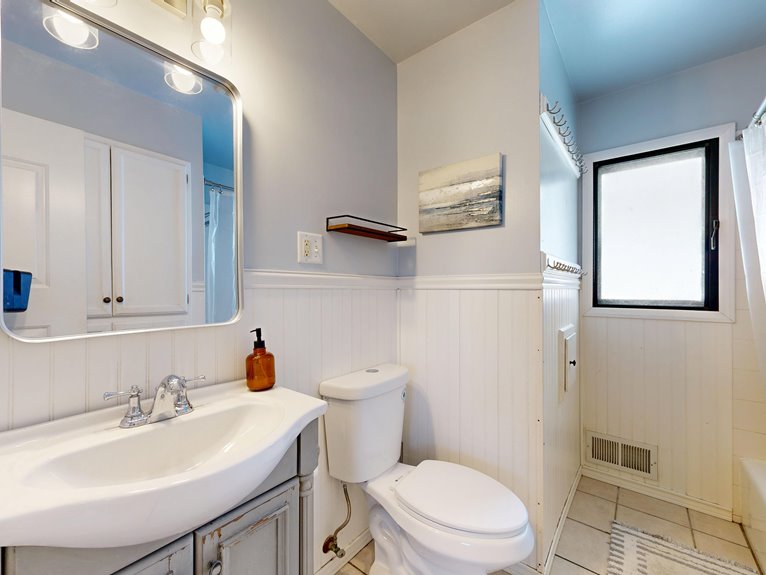
One quart of paint covers 90–100 square feet per coat, but most small bathrooms need two coats for proper coverage and durability. This effectively reduces your quart to 45–50 square feet of finished surface.
A typical small bathroom has 150–200 square feet of wall space alone, so one quart won’t cover four walls plus ceiling and trim. You’ll need to measure your specific space, subtract doors and windows, add 10% for texture, and calculate whether your project stays within that reduced coverage.
The following sections break down exactly how to run those numbers for your situation.
One Quart Covers 100 Sq Ft: Is That Enough for Your Bathroom?
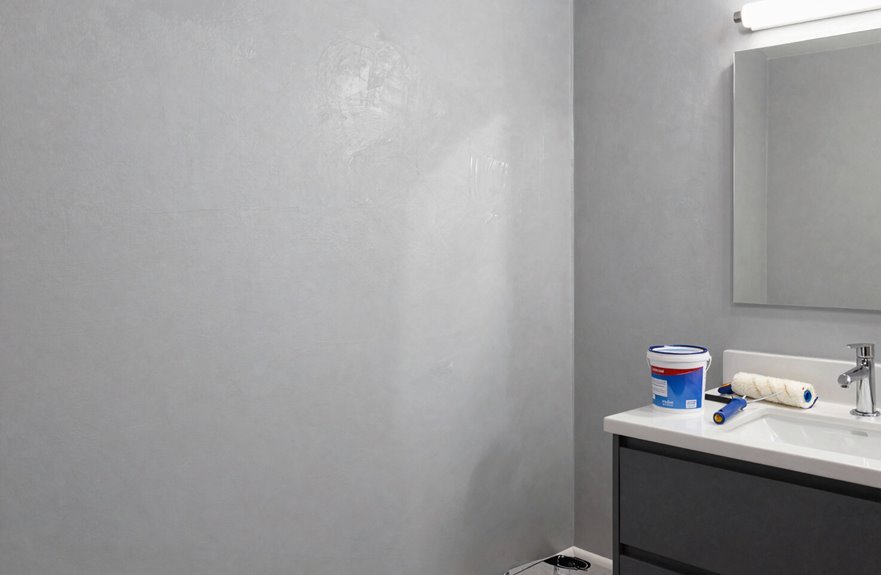
How much wall space are you actually painting? For a small bathroom, one quart typically delivers 100 square feet of paint coverage per coat. Two coats are usually necessary for solid, bold color, which means your 100 square feet effectively becomes 50 square feet of coverage. Add doors and trim, surfaces often overlooked in initial calculations, and your total paintable area expands significantly.
One quart covers 100 square feet per coat, but two coats for bold color halves your effective coverage—don’t forget doors and trim.
When One Quart Works
- Simple four-wall refresh with one color
- Previously painted, smooth surfaces
- No primer required
When You’ll Need More
- Textured walls or dark-to-light transitions
- Multiple surfaces beyond walls
- Full coverage on cabinets or built-ins
One quart handles small spaces for a single coat. Plan your project carefully to avoid a second trip to the store.

PAINT + PRIMER IN ONE: Evolve’s paint-and-primer formula helps you get great coverage from the start, sealing your surface and reducing the extra work of multiple coats.

PAINT + PRIMER IN ONE: Evolve’s paint-and-primer formula helps you get great coverage from the start, sealing your surface and reducing the extra work of multiple coats.

High Coverage Wall Repair: Provides reliable, high-coverage performance to effectively conceal scratches, stains, and minor imperfections, delivering visible results fast with wall touch up paint made for real home repairs
Real Reader Example: A Powder Room Vanity Cabinet Project
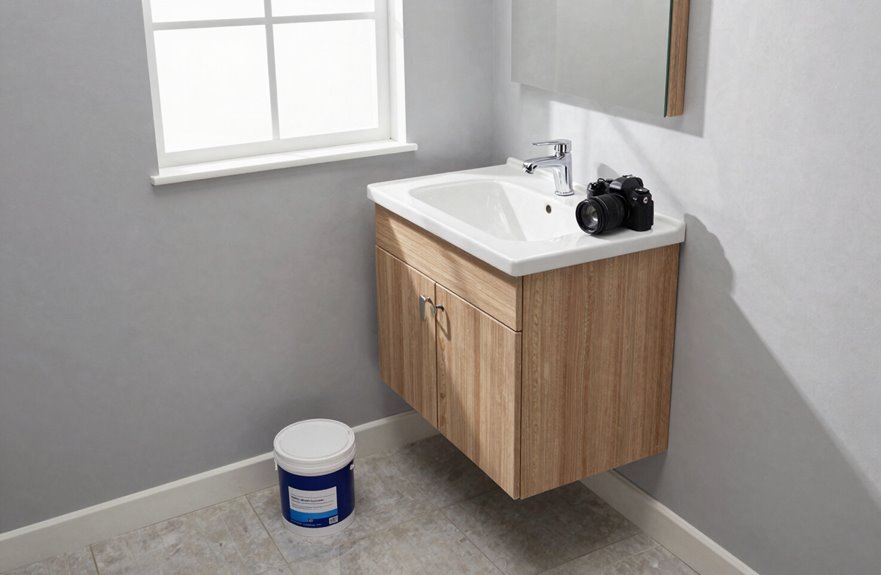
Why do cabinet projects often surprise painters with how little paint they actually need? I recently tackled a powder room vanity cabinet, and the paint coverage exceeded my expectations. This small project involved one face, one side, and two doors, far less surface area than you’d assume.
| Step | Action | Result |
|---|---|---|
| Prep work | Clean and scuff sand | Smooth surface, minimal paint needed |
| Brushing vs rolling | Roll flat surfaces, brush edges | Even application, professional finish |
| Paint used | 1 pint (not a quart of paint) | Sufficient coverage with leftover |
| Technique | Thin, even coats | No drips, faster drying |
| Touch-ups | Reserve extra paint | Seamless repairs later |
A quart of paint would have been excessive. Proper preparation and smart application techniques make small cabinetry work surprisingly efficient. You’ll use significantly less material when you prepare surfaces correctly and apply thin, even coats rather than compensating for poor prep work with thicker applications.

Premium All-Stainless Steel Construction: Built to last, these black stainless steel hooks are rust-proof, water-resistant, and ultra-durable; Perfect for use in busy homes, offices, or commercial spaces

【Easy Installation】Coat hook rail has 2 types of installation, sticky or screw-in, you can choose one method according to your usage, we provide all the mounting accessories for you. NOTE: the adhesive installation is only suitable for marble, tile, wood, mirror metal and other smooth surfaces, not for painted walls, wallpaper walls, plaster walls lime walls. If you want to install on painted wall, we suggest you choose screw mounting is better.
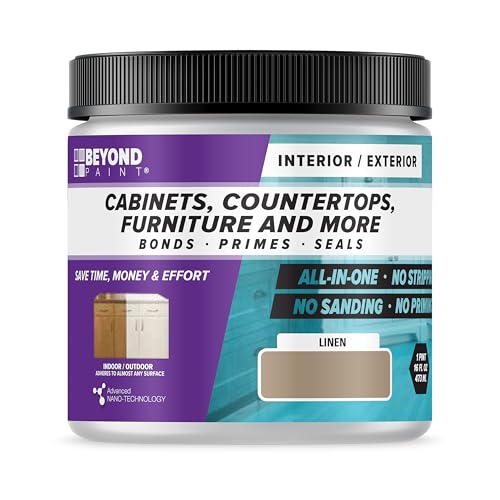
Beyond paint counter top paint pint - color - khaki
One Coat or Two? What Bathroom Walls Really Need
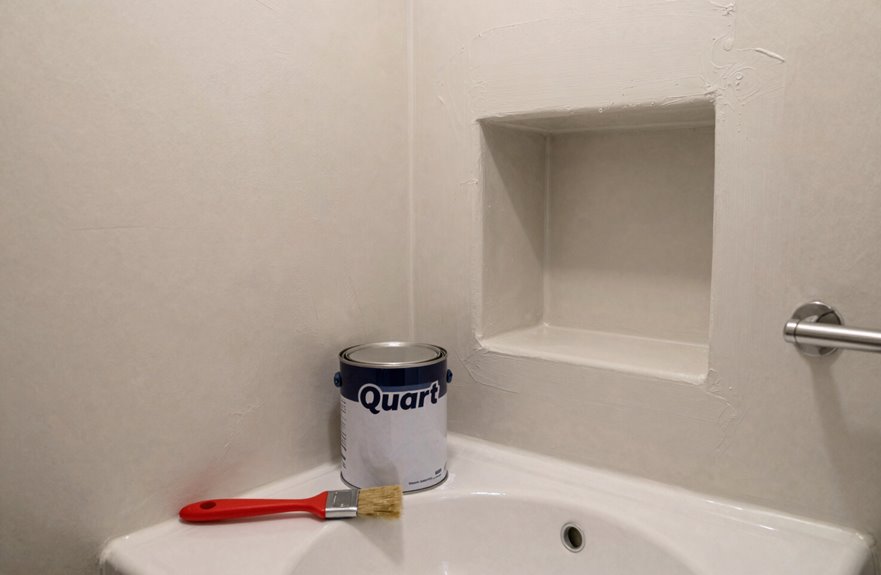
When deciding whether one coat will suffice for a bathroom project, examine what the walls actually demand. A quart covers roughly 90-100 square feet per coat, so your math depends heavily on this choice.
For bathroom walls that are primed and smooth, one coat might stretch your quart far enough. However, texture changes everything. Rough surfaces drink paint, reducing coverage dramatically. Two coats deliver durability and true color, especially when you’re shifting from dark to light or vice versa.
- Primed surfaces allow single-coat coverage without significant risk
- Texture demands more paint; plan your quart purchase accordingly
- Two coats produce professional-quality finishes with even color and lasting results
Skip the second coat, and you’ll likely spot uneven patches within weeks.

{ Revive your Landscape } Mulch coloring will add instant curb appeal to any home or business. Our commercial-grade black mulch dye will bring back to life landscape beds beaten back by Mother Nature!

Save time and money: Don't waste time and money on buying new mulch bags when your old mulch starts to fade. Use this dye for mulch to give it a fresh, new look.

Weather and corrosion resistant coating protects exterior/interior surfaces like wood, metal, concrete, masonry and more
Walls, Ceilings, Trim: Where Does One Quart Stretch Furthest?
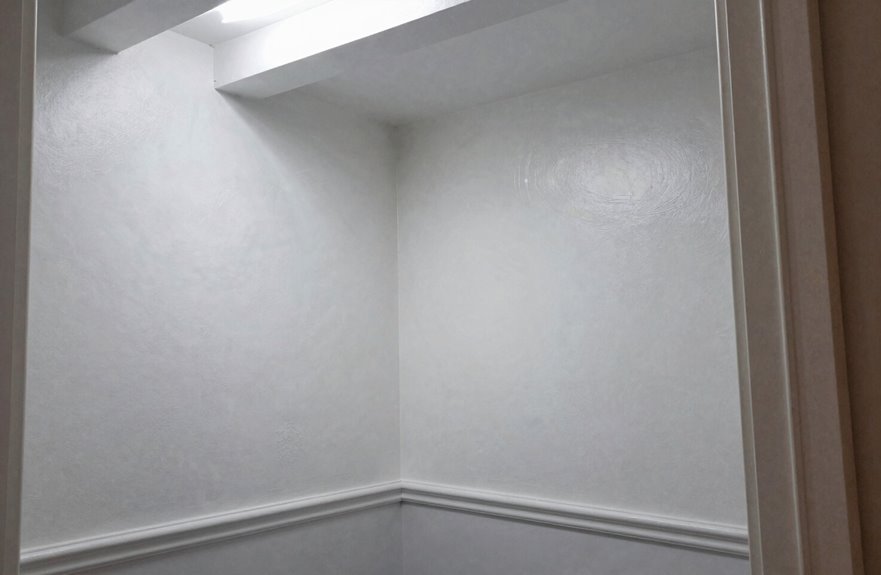
Understanding Paint Coverage Priorities
In a small bathroom, evaluate your surface area carefully. Paint coverage varies across walls, ceilings, and trim, so prioritize based on need.
- Walls: One quart per coat covers 90–100 square feet. Most small bathroom walls measure 70–120 square feet after deductions. This is tight, and you’ll likely need a second coat.
- Ceilings: Adding 40–60 square feet pushes one quart beyond its limit if combined with walls.
- Trim: Coverage variability here is high. Smooth trim yields 50–100 square feet per quart; rough surfaces demand more.
My Recommendation
Calculate your total surface area and number of coats before opening the can. One quart stretches furthest on walls alone, or trim if surfaces are smooth and primed.

CABINET TRANSFORMATION: Refresh outdated cabinets, vanities, furniture and trim with rich Pure White color and a smooth semi-gloss finish

Ready to use, pre-mixed door and trim paint offers a fresh new look on interior or exterior metal, wood and fiberglass

Ready to use, pre-mixed door and trim paint offers a fresh new look on interior or exterior metal, wood and fiberglass
Mold-Resistant and Specialty Paints: Same Coverage or More Coats?
Once you’ve mapped out where your quart will stretch, you’ll need to consider what type of paint you’re applying. Mold-resistant paints typically offer similar coverage to standard options: about 350–400 square feet per gallon per coat, though surface texture and brand variations affect this. You’ll still need two coats for proper durability and color consistency, even with premium formulations.
Mold-resistant paint covers 350–400 square feet per gallon per coat, but you’ll still need two coats for durability and true color.
A mold-resistant primer can improve efficiency, potentially reducing extra coats when applied over porous bathroom surfaces. However, switching from dark to light colors demands that second coat regardless of product type. Always verify stated coverage on the can, as pigment load and finish alter expectations.
- Check your surface texture before calculating; rough areas consume more material.
- Apply primer first if you’re covering stained or highly porous walls.
- Read the label carefully. Specialty formulas vary in coverage claims.
Seals drywall patches

EASY TO USE, EVEN FOR BEGINNERS: Whether you’re new to DIY or a pro, Rust-Oleum Chalked makes painting easy and enjoyable. Minimal prep required means you can jump right into your project confidently and focus on creativity—not complicated steps
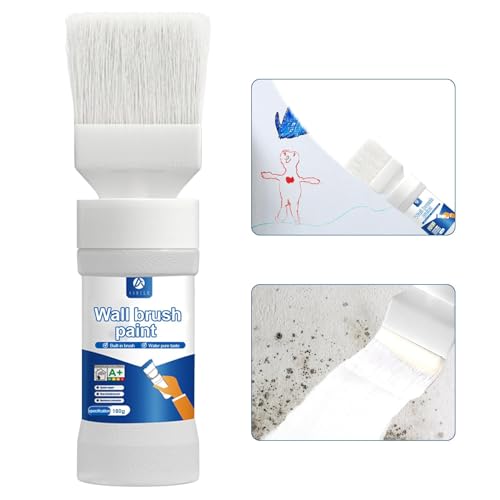
【Precautions】⚠️ 1.Coverage Only: This is a concealing liquid, not a filler. It cannot fill dents or holes.2.Pure white. Patch test first, as it may not match yellowed surfaces.
5 Ways to Stretch One Quart of Paint (Without Skimping)
How can you make a single quart cover more ground without cutting corners on quality? I’ve learned to stretch paint in my small bathroom projects by working smarter, not harder. Paint coverage depends heavily on surface type and preparation. These techniques maximize every drop:
| Technique | Purpose | Result |
|---|---|---|
| Apply tinted primer | Blocks dark colors, seals porous surfaces | Reduces coats needed |
| Use quality brush for cutting in | Precise edge work, less waste | Cleaner lines, saved paint |
| Thin, even roller coats | Prevents drips and buildup | Better adhesion, less rework |
| Allow full drying time | Proper cure between layers | Avoids heavy re-coating |
| Match sheen to surface | Smooth surfaces need less paint | Optimized one quart usage |
With these methods, I’ve completed powder-room vanities using one quart when conditions allow. Coverage varies based on existing color and texture, so assess your walls honestly before starting.

Reliable Coverage for Everyday Wall Marks: This white paint for walls is designed to help reduce the appearance of graffiti, stain, scratch and minor imperfections. The smooth, even application blends well with most wall surfaces, helping maintain a neat and refreshed look in your bedroom, kitchen, hallway or rental space
PAINT + PRIMER IN ONE: Evolve’s paint-and-primer formula helps you get great coverage from the start, sealing your surface and reducing the extra work of multiple coats.

LONG-LASTING SOLUTION FOR BATHROOM & KITCHEN – Refresh wall and floor tiles with a durable epoxy paint designed for bathrooms, kitchens, showers, and high-use areas. Ideal bathroom tile paint for ceramic tile paint applications, shower tile paint updates, and bathroom tile cover up projects. Creates a hard-wearing, waterproof surface for reliable everyday performance
Running Out Mid-Stroke: Your Options When Paint Runs Short
If I run out of paint halfway through a coat, I’ve got three practical paths forward: scramble for an emergency supply from a local store, tackle the color-matching headaches that come with mixing batches, or accept that I should have planned ahead with a preventive purchase. Each option carries its own risks and time costs, so here’s how to handle these mid-project crises without ruining your finish. What actually works when you’re staring at half-painted walls and an empty can depends on which option you choose.
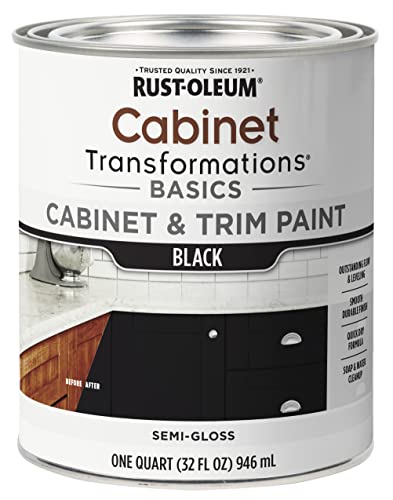
CABINET TRANSFORMATION: Refresh outdated cabinets, vanities, furniture and trim with rich Black color and a smooth semi-gloss finish

DECORATIVE TRAY FOR ORGANIZING – Keep bathroom items neat, organized and beautifully displayed with the iDesign Decorative Countertop Bathroom Tray; ideal for items such as makeup, cosmetics, skincare, jewelry, perfume, lotion, and more

Premium Materials & Sleek Design: KISENG towel hooks are crafted from robust stainless steel and durable PVC — transparent, non-toxic, recyclable, and long-lasting. Crystal-clear design blends seamlessly with bathroom walls, tiles, and glass.
Emergency Supply Solutions
Even the most careful measurements can fall short when texture, porosity, or application technique consume more paint than expected. A quart for a small bathroom often stretches thin, especially when the coverage rate drops on absorbent surfaces.
When you’re mid-stroke and empty, these emergency supply strategies keep you in control:
- Grab a pint or sample-size can from the same line to finish your second coat without returning for another quart
- Use a matching touch-up container for trim and doors, ensuring consistent color match across all elements
- Apply your remaining paint strategically to visible areas first, then blend a close-match shade on hidden surfaces
Building in a 10% buffer when calculating needs prevents return trips and half-finished walls.
Color Matching Challenges
Color Matching Solutions
Running out of paint mid-stroke creates a problem you can’t ignore: partially dry edges, visible lap marks, and the risk of mismatched color if you grab the wrong replacement can.
When facing this issue, check for a partial can from the original purchase first. Same batch means zero shade mismatch. If you’ve used it all, take the empty can to the store for color matching. They’ll scan the label or mix from a saved formula.
For future projects, use gray primer to improve coverage and cut coats from two to one, stretching your quart further. Always reserve 10% for touch-ups, storing it in a sealed jar. This eliminates the need to hunt down matching paint later.
Preventive Purchase Planning
How much paint should you actually buy before opening that first can? For preventive purchase planning in a small bathroom, calculate coverage carefully. One quart covers 90–100 square feet per coat, but two coats or trim work quickly exhausts supply.
- Calculate total square footage, then add 10% for texture and absorption
- Round up purchases to avoid mid-project shortages; buy that extra can immediately
- Record batch numbers to prevent batch variation issues during touch-ups
Purchase an additional quart when calculations approach one can’s limit. Dark colors over primed surfaces often need more coats. Keep your extra can sealed, labeled, and stored properly. Running out mid-stroke wastes time and risks color inconsistency. Plan once, paint confidently.
Quart or Gallon: What Small Spaces Actually Need
Why guess at paint quantities when a few measurements prevent costly mistakes? Paint coverage determines whether a quart or gallon suits your small bathroom. A quart covers 90–100 square feet per coat, while a gallon handles 400 square feet. For most small bathrooms, calculate surface area carefully, remembering that two coats double your needs. Primer coverage of 200–300 square feet per gallon can reduce topcoat requirements.
| Scenario | What I Buy |
|---|---|
| Single accent wall | Quart |
| Small bathroom, one coat | Quart |
| Small bathroom, two coats | Gallon |
| Rough or porous surface area | Gallon |
| Color change requiring primer | Gallon plus primer |
Add 10% for touch-ups to ensure you have sufficient paint for final finishing work.
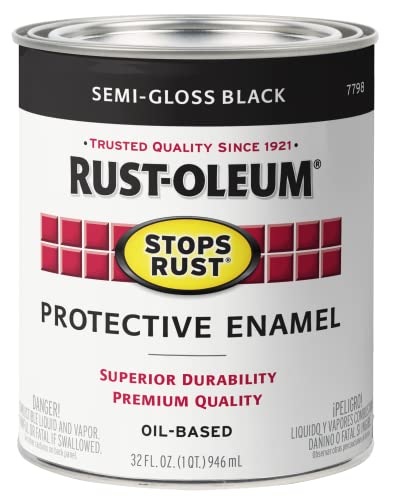
Weather and corrosion resistant coating protects exterior/interior surfaces like wood, metal, concrete, masonry and more

ENAMEL FLOOR PAINT: Provide your floors with an extremely durable and long-lasting finish using California Paint ALLFLOR Porch, Patio and Floor Enamel Paint.

Includes 30 featured and newest released color card. Sprayed on color to see our colors in your homes lighting for more accurate color choices.
Measure Your Space: Will One Quart of Paint Cover It?
I’ll start by measuring my bathroom walls to calculate the total square footage, then subtract the space taken up by doors and windows to find the actual surface area needing paint. Once I know my net square footage, I can compare it against the 90-100 square feet a quart typically covers per coat to determine if one container meets my needs. This calculation ensures you purchase the correct amount of paint without waste or shortfalls.

The ultimate acrylic cabinet paint for a “factory-like” finish when refurbishing kitchen and bathroom cabinets, shelving, furniture, trim, and crown molding.
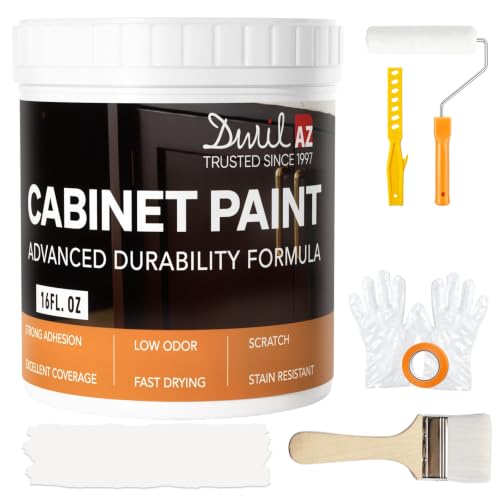
𝙉𝙊𝙏𝙀: Intentional headspace allows room for stirring, dipping, and transit. The stated paint quantity remains unchanged. If you have any questions, please contact our customer service team.
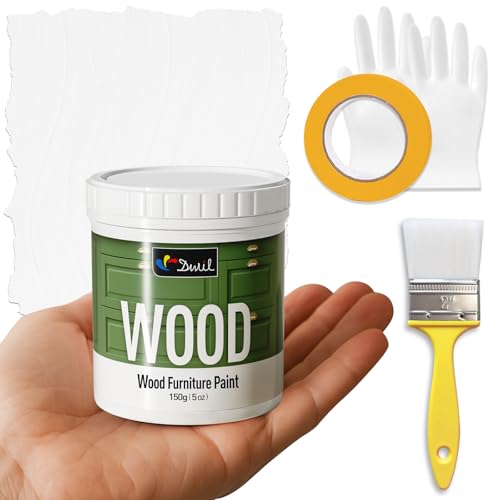
𝐂𝐎𝐌𝐏𝐋𝐄𝐓𝐄 𝐓𝐎𝐎𝐋 𝐒𝐄𝐓:Save time with our wood paint kit, including all the necessary tools for your painting needs
Calculate Wall Square Footage
Where exactly does a quart of paint go? I’ll walk you through calculating your wall area so you’ll know if one quart covers your space.
First, measure the height and width of each wall, then multiply to find the square footage for each surface. Add these numbers together to get your total wall area. A quart of paint typically delivers 90–100 square feet of paint coverage per coat on smooth, primed walls. Plan for two coats, so double your calculation.
- Measure twice, buy once; precision prevents mid-project shortages
- Your bathroom’s unique dimensions determine your actual needs
- Proper planning ensures confident execution
Round up your estimate and account for texture variations that reduce coverage. This methodical approach prevents running out of paint before the project is complete.
Account for Doors Windows
You can’t paint what isn’t there, so I subtract doors and windows from my total wall area to get an accurate estimate. This step prevents overestimating paint needed for a bathroom project.
| Feature | Typical Square Footage |
|---|---|
| Standard interior door | 21 sq ft |
| Small bathroom window | 6-12 sq ft |
| Large bathroom window | 15-25 sq ft |
| Closet door (if applicable) | 15-20 sq ft |
| Trim and frames | 2-4 sq ft each |
I measure each door and window, then subtract that total from my wall square footage. This refined number determines if one quart provides adequate coverage. Since a quart covers 90-100 square feet per coat, accounting for these openings frequently determines whether you have enough paint or run short.
Determine Paint Coverage Needed
How much paint does a small bathroom actually require? I measure height and width, then multiply to find total square feet. One quart typically delivers 90–100 square feet per coat, so I calculate whether my surfaces fit that coverage.
- Smooth primed drywall maximizes coverage, while porous wood demands more material
- Multiple coats or color-changes exhaust a single quart quickly
- Reserving extra paint ensures primer mistakes and future touch-ups stay covered
I consider whether I need one coat or two. If I’m painting over dark colors or raw surfaces, I’ll likely need more than one quart. When uncertain, I purchase a quart plus a pint. This prevents mid-project shortages and protects my investment.
Smooth, Textured, or Tiled: How Surface Changes the Math
Why does the same quart of paint cover less in some rooms than others? The answer lies in your bathroom’s surfaces. Smooth drywall and plaster let paint glide on efficiently, giving you that full 90-100 square feet of coverage per coat. Textured finishes absorb more paint. Popcorn ceilings and orange-peel walls consume more product, cutting your coverage by 15-20%.
Surface type affects your coverage calculations this way:
| Surface Type | Coverage Impact |
|---|---|
| Smooth primed drywall | Full listed coverage |
| Textured (popcorn, orange peel) | -15-20% efficiency |
| Porous unsealed drywall | Higher absorption, less coverage |
| Previously painted smooth | Best paint per coat efficiency |
| Rough/textured needing color change | Extra coats likely required |
Inspect your walls before purchasing. A single quart stretches further on smooth surfaces, while textured bathrooms require additional product.
Microcement Overlay – Creates a sleek, modern finish with a smooth, tight-troweled surface

MICROCEMENT PLASTER FOR SEAMLESS SURFACES: Meoded Concretta FS is a premium, microcement plaster for interior and exterior walls, showers, tub surrounds, backsplashes, countertops, and low-traffic floors. It creates a seamless, modern concrete look with subtle movement and a refined matte texture. Supplied as a dry, pre-mixed off-white powder; selected colors include a separate pigment container. Concretta is a decorative finish, not a stand-alone waterproofing system.
MICROCEMENT PLASTER FOR SEAMLESS SURFACES: Meoded Concretta FS is a premium, microcement plaster for interior and exterior walls, showers, tub surrounds, backsplashes, countertops, and low-traffic floors. It creates a seamless, modern concrete look with subtle movement and a refined matte texture. Supplied as a dry, pre-mixed off-white powder; selected colors include a separate pigment container. Concretta is a decorative finish, not a stand-alone waterproofing system.
Primer First? Adjusting Your One-Quart Calculation
Whether I’m painting fresh drywall or covering a bold red wall, I need to consider primer and how that affects my quart calculation.
Primer coverage differs from paint coverage. A gallon of primer typically covers 200–300 square feet, meaning a quart stretches only 50–75 square feet. For a small bathroom, this difference is significant. Fresh drywall or bold colors demand primer first, consuming precious square feet from the budget.
Primer coverage runs thinner than paint—plan for 50–75 square feet per quart, not the 100 you might expect.
The math requires separate calculation. I calculate primer for the base, then paint for finish. A tinted primer reduces topcoat needs, potentially allowing one quart to suffice.
- Gray-tinted primer blocks dark colors, cutting finish coats from two to one
- Stain-blocking primer prevents bleed-through on repaired surfaces
- Self-priming paint combines steps but offers weaker coverage on challenging surfaces
5 Warning Signs You Need More Than One Quart
Even after I’ve calculated my primer and paint needs, I sometimes discover mid-project that my single quart won’t stretch far enough. Watch for these five warning signs.
Your coverage math assumes one coat. Most projects need two coats for durability, which doubles your quart requirement immediately.
You’re painting porous surfaces. Unprimed drywall or textured walls soak up paint, demanding more than standard coverage estimates.
You’re going dark to light. That dramatic color shift often requires a third coat, pushing one quart past its limit.
You skipped the 10% buffer. Extra paint for touch-ups and mistakes is essential; without it, you’ll run short.
Trim and doors compete for supply. One quart covers small details or walls, not both with two coats.