
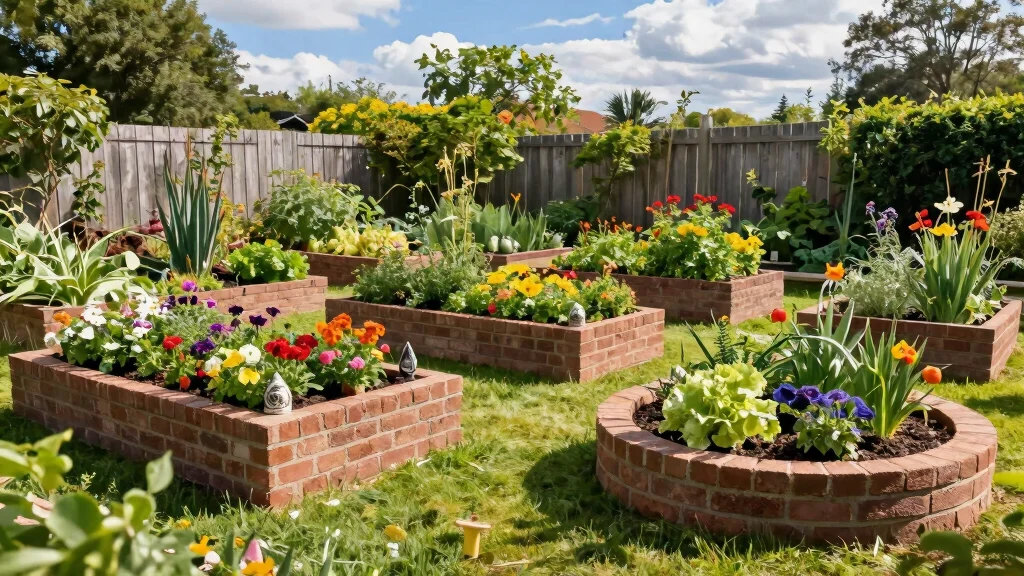
Creating a backyard oasis has never been easier, especially with the rising popularity of DIY gardening projects. If you’ve been thinking about adding some charm and practicality to your outdoor space, this post is for you. With brick raised garden beds, you can elevate your gardening game without needing mortar or special tools. These beds offer a simple yet elegant way to grow your plants while adding a stylish touch to your garden.
Whether you’re an experienced gardener or just starting out, brick raised garden beds provide a perfect solution for small spaces. They allow you to customize your garden layout according to your preferences, making it easier to manage your plants. This guide offers you 15 creative ideas for building your own brick garden beds that are not only easy to assemble but also enhance the aesthetics of your yard. From classic rectangular shapes to playful designs that can engage your kids, you’ll find something that suits your style and needs.
Get ready to dig into some fun and practical ideas that will inspire you to create a vibrant garden. You’ll learn how to build functional and beautiful brick raised beds that can host a variety of plants, from vegetables to ornamental flowers. Let’s jump in and explore the endless possibilities that come with brick raised garden beds!
Key Takeaways
– Versatile Designs: Explore various designs like classic rectangular beds or curved edges to fit any garden style and space.
– DIY Simplicity: No special tools or mortar are needed, making it easy for anyone to create their own raised beds.
– Space Maximization: Learn how to utilize corner gardens and multi-level beds to make the most of small outdoor areas.
– Kid-Friendly Options: Discover fun shapes and playful designs that can engage children and inspire them to garden.
– Eco-Friendly Choices: Consider building with recycled bricks for a sustainable approach that also adds character to your garden.
1. Classic Rectangular Beds
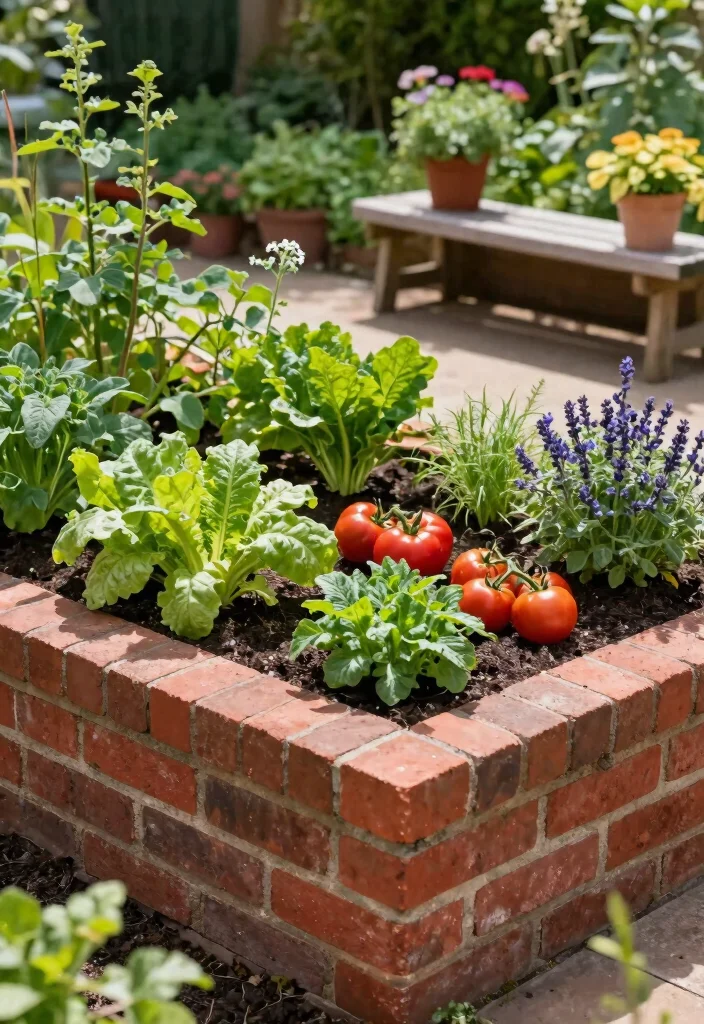
Classic rectangular brick raised garden beds are a timeless choice for any gardener. They offer a structured space that’s perfect for growing your favorite vegetables, herbs, or vibrant flowers. Plus, they enhance the beauty of your outdoor area with their clean lines and practical design. These beds are user-friendly, making them ideal for beginners who want a manageable gardening experience without the fuss.
To set up your beds, simply stack bricks in a level rectangular formation. Adding gravel at the base can improve drainage, which is crucial for healthy plant growth. This straightforward design allows you to focus on nurturing your plants rather than complicated setups.
Key steps to get started:
– Choose bricks that complement your home’s exterior.
– Fill the beds with nutrient-rich soil and compost.
– Label each plant for easy identification.
With these classic beds, you’ll enjoy a beautiful and easy-to-maintain garden that flourishes season after season!
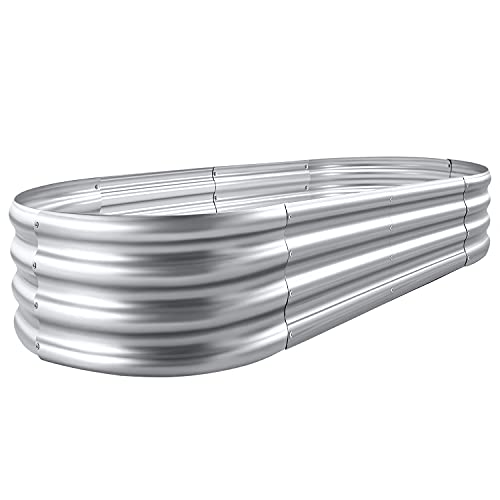
Each raised metal garden bed size: 4×2×1ft ,7.14Cu

Raised Garden Bed - Add a new level of convenience to your gardening experience with the Galvanized Raised Garden Bed. Enjoy expanded yield and a more assembled garden layout with this garden accessory, each sized at 120 cm X 60 cm x 30 cm.
2. Curved Edges for a Soft Touch
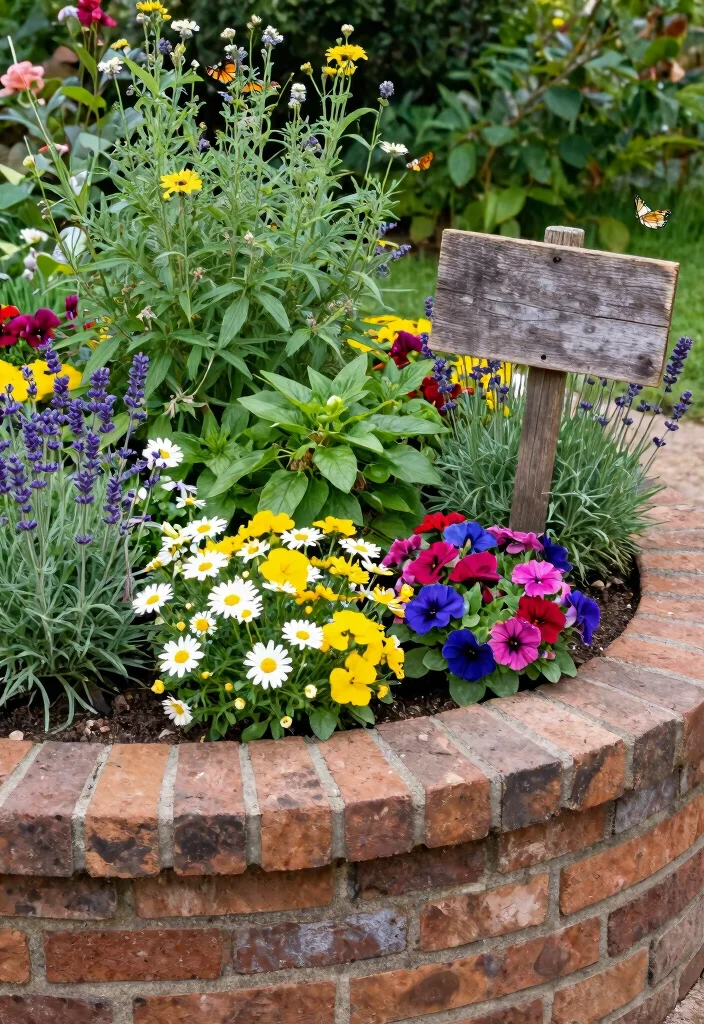
Curved brick raised beds add a playful yet elegant touch to your garden. These gentle curves soften the look of traditional straight-edged beds, creating an inviting atmosphere. They not only enhance your garden’s aesthetic but also maximize planting space, making them ideal for smaller areas. Imagine filling these beds with colorful perennials that bloom year-round!
To create this design, arrange bricks in circular or semi-circular patterns. This layout allows for diverse planting options while serving as a captivating focal point. You’ll find it easy to access your plants from different angles, adding to the convenience of your gardening experience.
Reasons to choose curved edges:
– Adds unique visual interest to your garden.
– Easier access to all plants for maintenance.
– Creates a cozy garden retreat atmosphere.
Your garden will transform into a stunning outdoor space, showcasing both beauty and functionality with these curved beds!

High-Quality PE Material with Drainage Hole: Crafted from durable and flexible PE material, these grow bags are built to withstand outdoor conditions without cracking. The bottom drainage hole provides essential airflow to roots and prevent overwatering and root rot, ensuring your plants thrive in a well-aerated environment.

Multifunctional Design: This garden planter is separated into two growing areas for different plants or planting methods. The baffle can be removed to form a bigger growing area.

【Maintenance-Free Vinyl Construction】: Built from premium vinyl, this raised garden bed resists rust, rot, fading, and harsh weather without painting or sealing. Unlike traditional wood or metal beds, it stays beautiful season after season with minimal maintenance
3. Multi-Level Beds for Visual Interest
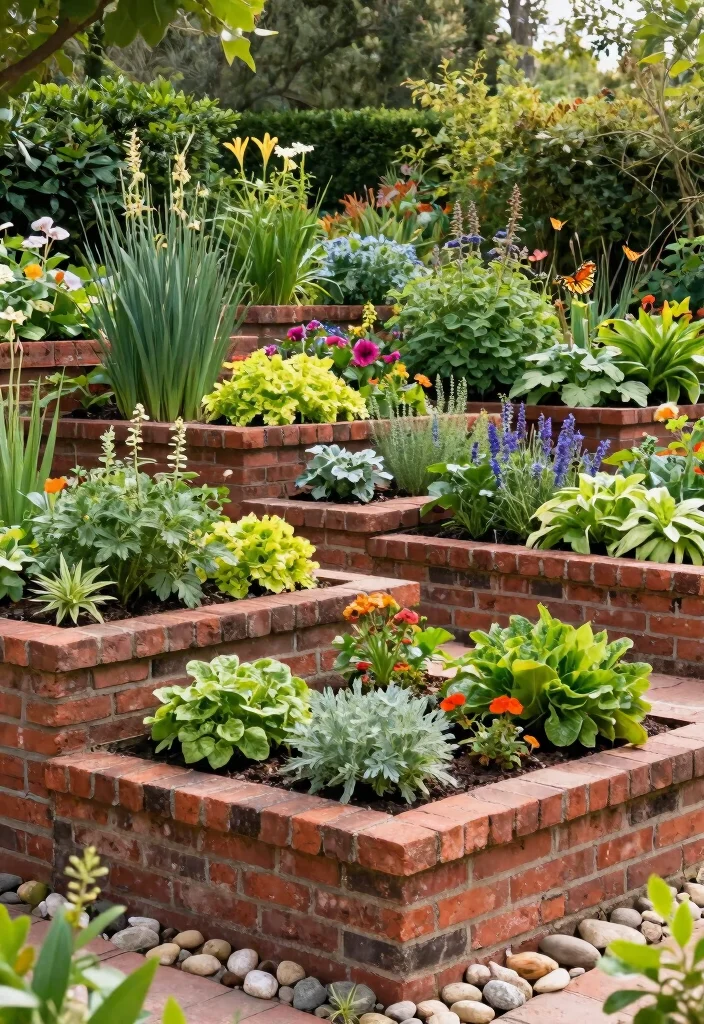
Multi-level brick raised garden beds can bring an exciting dimension to your gardening space. By creating different heights, you introduce depth and intrigue, making your garden visually captivating. This design is not only eye-catching but also enhances drainage and accessibility for your plants.
To build this style, stack bricks at varying heights, forming steps that allow for a layered arrangement of plants. Place taller plants at the back and shorter ones at the front for an organized view. This setup not only looks great but also encourages healthy growth by improving airflow and sunlight exposure.
Benefits of multi-level designs:
– Improves drainage and air circulation for plants.
– Creates a dynamic and visually interesting garden.
– Allows for diverse plant heights for added beauty.
With thoughtful planning, your multi-level beds can become a stunning centerpiece that draws the eye and inspires admiration!

4X2X1FT GROWING SPACE: This oval raised garden bed measures 4 x 2 x 1 ft, providing 7+ cu. ft. of organized growing space for vegetables, herbs, flowers, strawberries and selected root crops. Its compact footprint fits naturally into backyards, lawns and small outdoor gardens while keeping plants easy to reach and maintain.

【4 Tier Vertical Raised Garden Bed】: Overall Dimensions: 16.8*18.3*41.5 inches. Each planter box size: 16.8*7.02*5.5 inches. This raised planter box works great on patios, balconies, decks and backyards. Designed vertically with proper height, it leaves ample growing space for lower-layer plants and saves you from frequent bending while gardening.

Sturdy and Stable: The vertical garden planter is made of high-quality materials, ensuring it can withstand the total weight of the soil, water, and plants. It boasts excellent weather resistance, remaining stable in any weather conditions.
4. Corner Gardens to Maximize Space
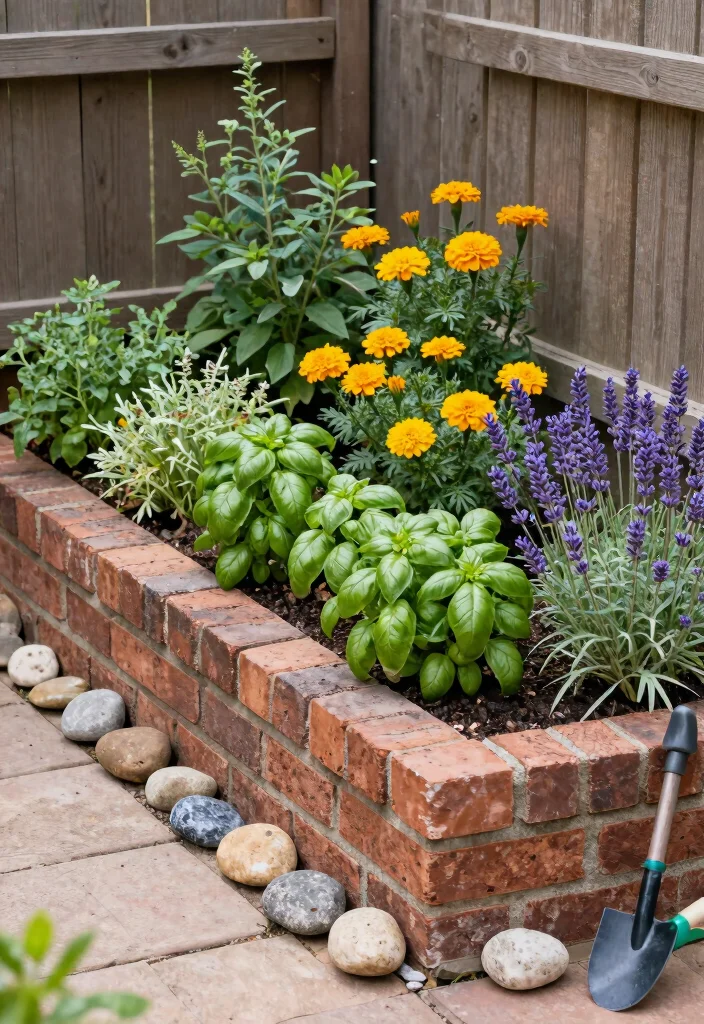
Utilizing corner spaces in your garden can be a smart way to enhance your outdoor area, especially if you’re working with limited room. A brick raised garden bed nestled in a corner can create a charming nook for growing herbs or compact vegetables.
To construct this design, angle the bricks to fit snugly into the corner, creating either a triangular or L-shaped bed. This not only maximizes your space but also adds a unique character to your garden. With easy access to your plants, you can keep everything organized and thriving.
Considerations for corner gardens:
– Choose fast-growing plants to make the most of your space.
– Maintain a consistent watering schedule for healthy growth.
– Add decorative stones to enhance the visual appeal.
With a corner garden, you can create a beautiful, functional space that makes the most of every inch!

【Realistic Brick Pattern for Garden Decoration】Featured with vivid brick texture design, this garden edging matches various garden styles perfectly. It can neatly surround flower beds, lawns and vegetable plots, keeping your outdoor space stylish and fresh all year round.

Realistic Faux Stone Texture: Our landscape edging boasts a lifelike stone texture with detailed surface patterns that add depth and a polished look to your outdoor space. It beautifully enhances garden beds, lawns, pathways and flower beds, bringing a natural, decorative touch to any yard.

STAYS IN PLACE - Our edging stays securely in place, keeping mulch and other materials from migrating into other areas of your landscape for a pollished look
5. Brick Borders for a Simple Touch
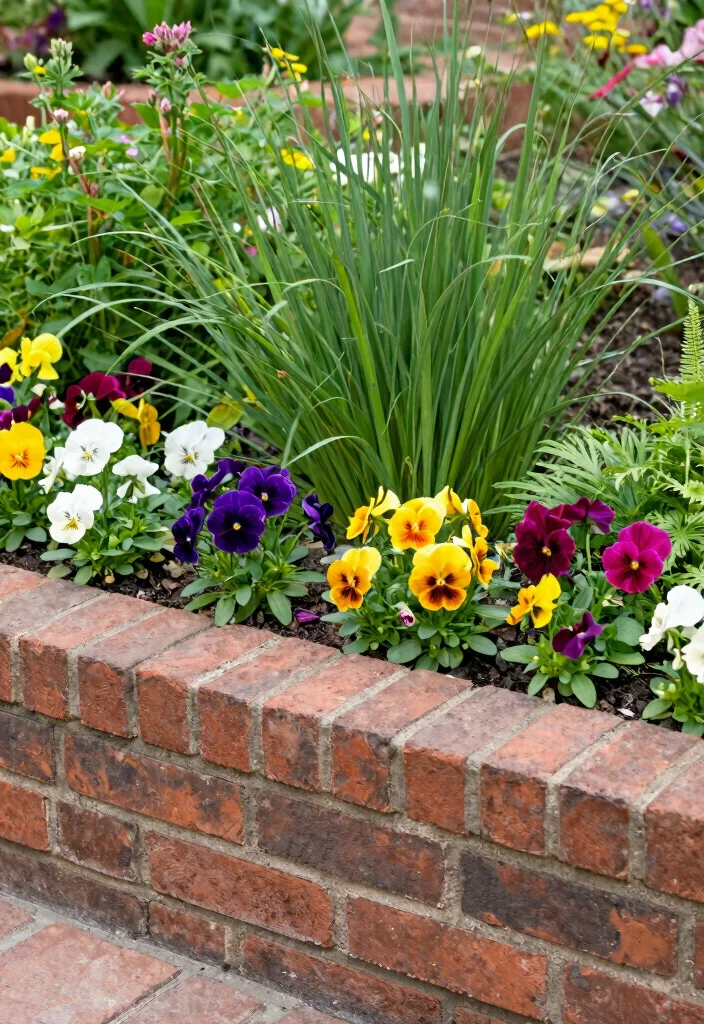
If simplicity is what you seek, brick borders around your existing garden beds can provide a neat and stylish finish. This approach enhances the definition of your space without the need for extensive construction.
Arrange the bricks in a single layer to create a clean outline that elevates the overall aesthetic of your garden. Additionally, these borders can deter pests while helping to retain soil. Matching or contrasting the bricks to your home’s exterior can further enhance the cohesive look.
Tips for maximizing this idea:
– Use colorful bricks for an energetic touch.
– Fill the interior area with mulch to keep moisture in.
– Plant low-growing flowers or ground cover for added beauty.
With minimal effort, brick borders can instantly elevate your garden’s appeal, creating a polished look that stands out!

Size: 60×29×11 in, 68 gallons of soil required.


Size: 60×29×11 in, 68 gallons of soil required.
6. Raised Herb Spiral for Compact Spaces
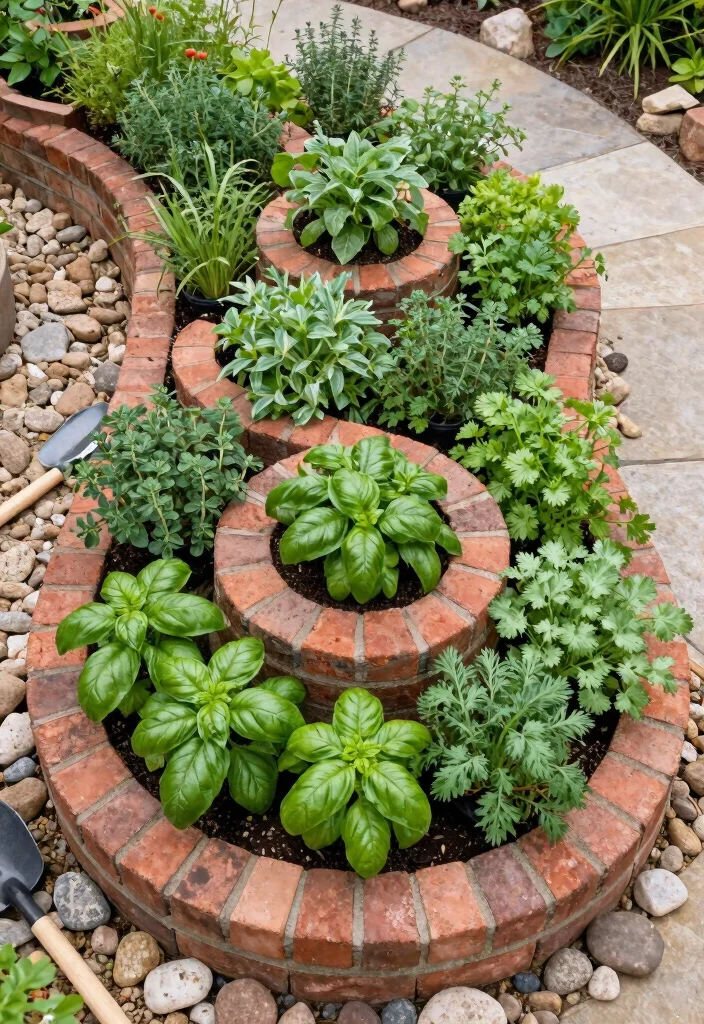
If you love cooking with fresh herbs, a raised herb spiral is a brilliant solution for compact spaces. This design allows you to grow a variety of herbs all in one spot while maximizing vertical space.
To create a herb spiral, stack bricks in a spiral shape, gradually rising as you go. This structure promotes excellent drainage and sunlight access for each herb, ensuring they thrive. Plant sun-loving herbs like rosemary at the top, and moisture-loving varieties like mint at the base for an efficient layout.
Benefits of a herb spiral:
– Space-efficient design perfect for small gardens.
– Unique aesthetic appeal that draws attention.
– Easy access to a diverse range of herbs for cooking.
Your herb spiral will not only be functional but also an attractive feature that enhances your gardening experience!

Pack of 2 Raised Garden Bed- Add a new level of convenience to your gardening experience with the Galvanized Raised Garden Bed. Enjoy expanded yield and a more assembled garden layout with this garden accessory, each sized at 48 Inches x 24 Inches x 12 Inches.

SIZE: The plant bed measure is 23.6"L x 23.6"W x 11.8"H. This round planter box provide ample growing space to raise vegetables, flowers and plants.

Outdoor Raised Garden Bed: Turn any patio, balcony or backyard into your own growing space with this 2x2 ft metal planter box. Whether you're planting fresh herbs for cooking, growing vegetables or adding flowers to your space, it makes starting a garden simple, even if you don’t have a large yard.
7. Brick Planters for Mobility
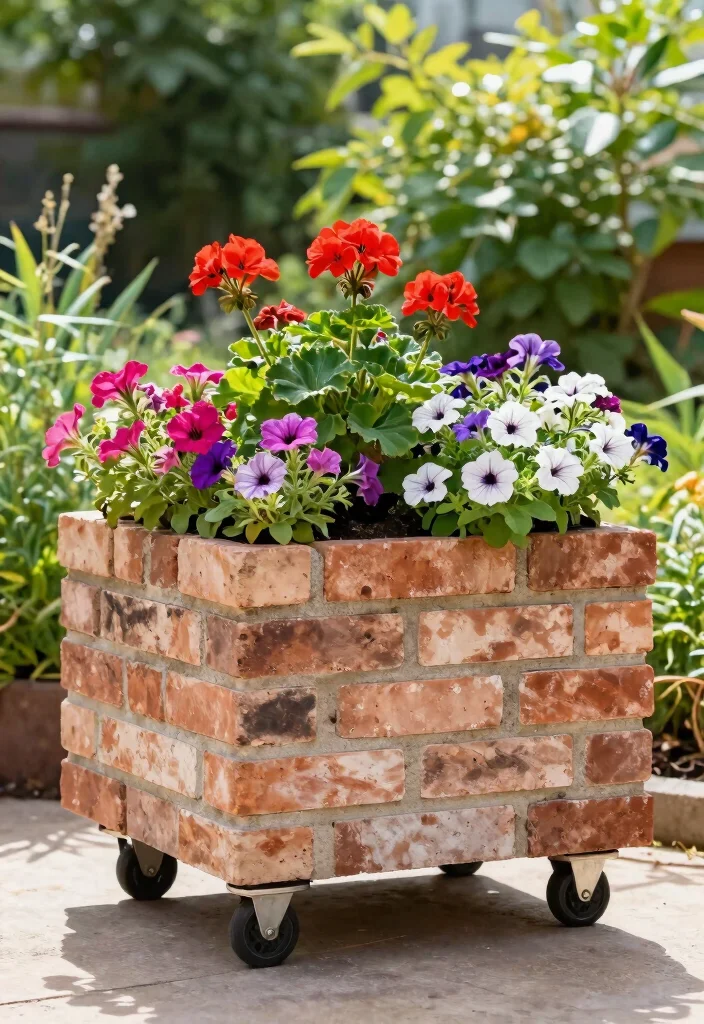
Creating mobile brick planters adds a new level of flexibility to your gardening. With a wheeled base, you can easily move your planters around to ensure your plants receive the best sunlight.
To make this design, stack bricks in a rectangular shape with an opening at the bottom for drainage. Attach wheels for easy movement, allowing you to rearrange your plants or bring them indoors during harsh weather. This mobility opens up endless possibilities for your garden layout.
Things to keep in mind:
– Use a sturdy base to support the weight of bricks and soil.
– Choose lightweight plants to make moving easier.
– Ensure proper drainage to keep plants healthy.
This fun and practical approach gives you the freedom to style your outdoor space as you desire!

Size: The garden bed measure is 46"L x 23.6"W x 17"H. The planter box provides ample space for planting vegetables, fruits, flowers and other plants.

Fabric Raised Garden Bed: Made of superior breathable felt fabric, built thick and sturdy, UV resistant, that provides exceptional air flow throughout the soil and root systems and allows excess moisture to easily drain away

Garden Growing Bags Set Includes: The package includes 2 rectangular fabric garden beds, a pair of gloves and 12 clips. This complete set allows you to grow a variety of flowers, fruits, and vegetables in different areas, enjoying the fun of diverse planting and creating a vibrant garden landscape
8. Vertical Brick Gardens for Limited Spaces
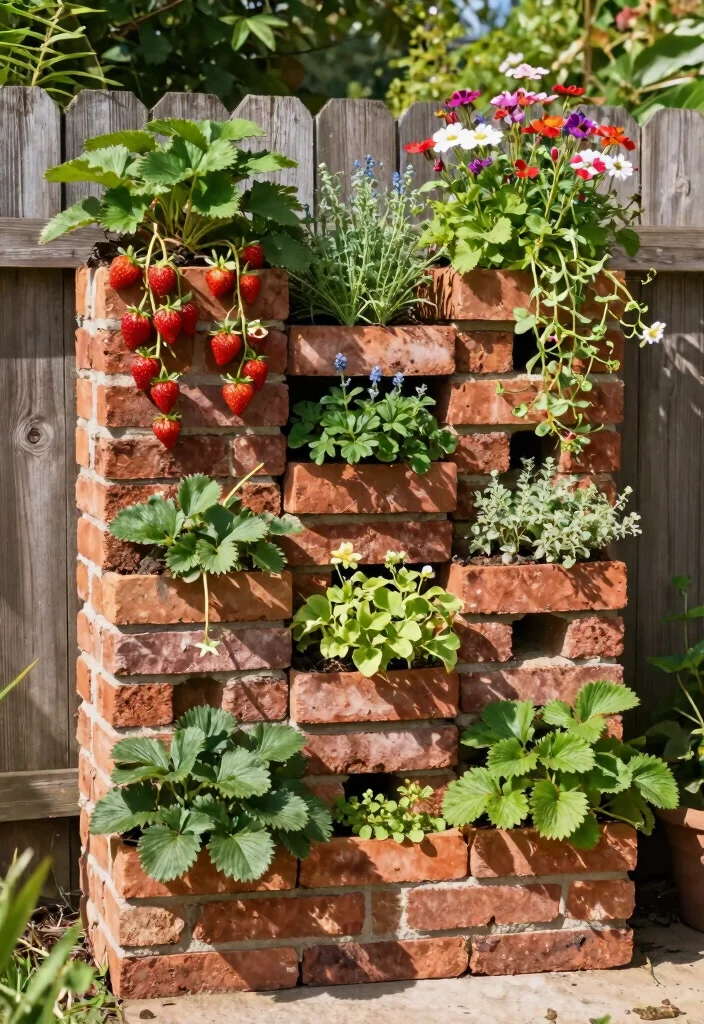
If you’re short on space, vertical brick gardens can be a fantastic solution! These designs utilize vertical space, allowing you to grow upward and maximize your gardening area.
Arrange bricks in a vertical stack, leaving gaps for planting. This method takes up minimal ground space while offering ample room for your plants. It works wonderfully for trailing plants like strawberries and climbing flowers, creating a lush vertical display.
Advantages of vertical gardening:
– Saves valuable space while enhancing aesthetics.
– Easier access and maintenance for your plants.
– Encourages air circulation and sunlight exposure.
With a vertical brick garden, you can enjoy the joys of gardening even in the tightest spaces!
Vertical brick raised garden beds make big yields fit into small spaces. Stack bricks, leave planting gaps, and you’ll grow strawberries and climbers upward without crowding your yard. Practical tip: start with a shallow, sun-loving row and expand as you harvest.

【3 Tier Raised Garden Bed】The vertical garden planter adopts 3 tier design, so there is enough space to plant and divide vegetables, herbs, flowers, etc. Save a lot of space for you and keep your garden well organized.
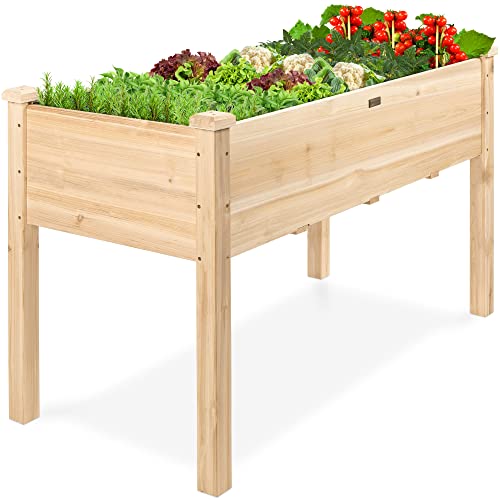
LARGE PLANTING SPACE: Designed with a long bed space (5CuFt) deep enough to provide your plants and vegetables with ample room to breathe and grow healthy

【3 Tier Raised Garden Bed】The vertical garden planter adopts 3-tier design, so there is enough space to plant and divide vegetables, herbs, flowers, etc. Save a lot of space for you and keep your garden well organized.
How To Install a Brick Raised Garden Bed
Tools You’ll Need:
– Brick (your choice of style and size)
– Level
– Garden spade
– String and stakes
– Hammer
– Landscape fabric (optional)
– Soil and compost mix
Step 1: Choose Your Location
Start by picking a sunny spot for your brick raised garden bed. Most plants thrive with at least six hours of sun each day. Make sure to avoid areas with heavy shade from trees or buildings.
✔ Mark the area with string and stakes to visualize the size and shape of your bed.
Step 2: Measure & Prep the Ground
Using a spade, clear the area of weeds, grass, and debris. Level the ground if needed to ensure your bricks sit evenly. This step is crucial for stability.
✔ Measure the space to determine the dimensions of your garden bed. A common size is 4 feet by 8 feet, but adjust based on your available space.
Step 3: Lay the First Course of Bricks
Begin laying your bricks in the desired pattern, starting from one corner. Use a level to ensure each brick is even. If you want a curved design, lay the bricks in a gentle arc instead of straight lines.
✔ Allow a small gap between each brick for drainage and aesthetics.
Step 4: Build Up the Layers
Continue stacking the bricks to your preferred height, typically two to three rows high. As you build, check that everything is level with your tool.
✔ You can use a little soil between layers for added stability if desired.
Step 5: Fill with Soil
Once your bricks are stacked, cover the bottom with landscape fabric to prevent weeds. Then, fill the bed with a mix of soil and compost, leaving room for plant roots.
✔ Aim for 12 to 18 inches of soil depth for healthy plant growth.
Step 6: Plant and Maintain
Now you can plant your favorite flowers, vegetables, or herbs! Water them well and be sure to maintain regular watering and weeding.
✔ Mulch around the plants to help retain moisture and suppress weeds.
⏱ Time: ~3-5 hours | 💡 Tip: Gather a friend to help with the heavy lifting and measuring, making the process smoother and more enjoyable!

STAYS IN PLACE - Our edging stays securely in place, keeping mulch and other materials from migrating into other areas of your landscape for a pollished look

STAYS IN PLACE - Our edging stays securely in place, keeping mulch and other materials from migrating into other areas of your landscape for a pollished look

10-PIECE LANDSCAPE EDGING BORDER - This lawn edging comes with 10 pieces of trim that create an eight-foot-long border for flower beds, gardens, or walkways. A trim-free flange on the side prevents grass from growing too close to the edging.
9. Decorative Patterns with Brick
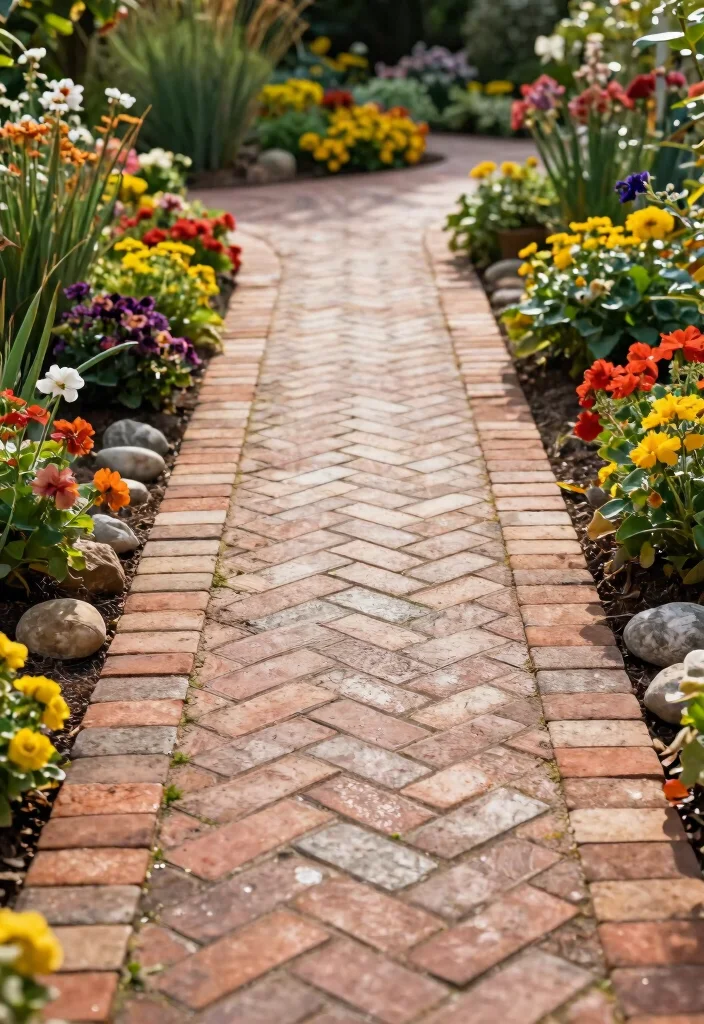
Let your personality shine with decorative patterns made from bricks! You can create stunning designs by arranging bricks in various styles, such as herringbone or checkerboard.
This technique can serve as a beautiful pathway or a unique border for your raised beds. Not only does this add charm, but it also allows you to express your creativity in your garden.
Creative tips:
– Choose contrasting colors for a bold design.
– Use different-sized bricks for added texture.
– Incorporate plants that complement the chosen pattern.
With decorative patterns, your garden will be both functional and a captivating visual experience!

SIZE: The plant bed measure is 46"L x 23.6"W x 11.8"H. This planter box provide ample growing space to raise vegetables, flowers and plants. SAFETY: Keep your plants safe,...
10. Integrated Seating with Raised Beds
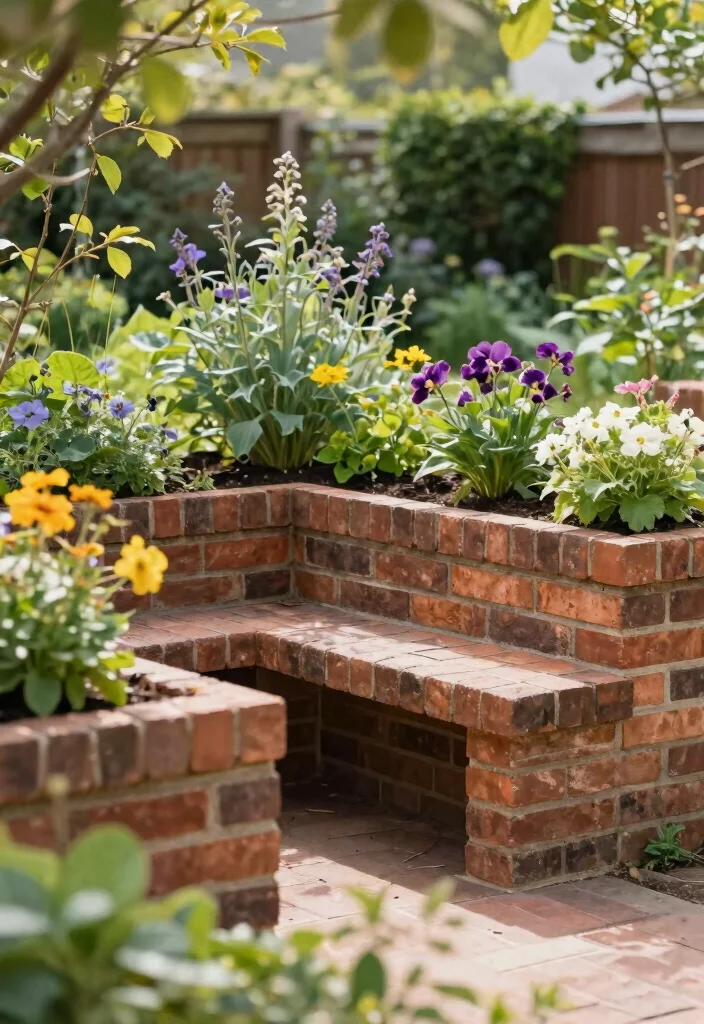
Combining seating with your brick raised gardens maximizes space while creating a welcoming retreat. Building raised beds with integrated benches allows you to relax and enjoy the beauty of your garden.
This design offers a perfect spot to unwind, surrounded by the vibrant colors of your plants. Simply stack bricks and create a flat surface for seating on one side, ensuring comfort and accessibility.
Benefits of integrated seating:
– Encourages longer time spent in your garden.
– Creates a multi-functional space for both gardening and relaxation.
– Enhances the overall beauty of your outdoor area.
With seating in your garden, you’ll create an inviting space for friends, family, and yourself to enjoy together!
11. Rustic Charm with Weathered Bricks
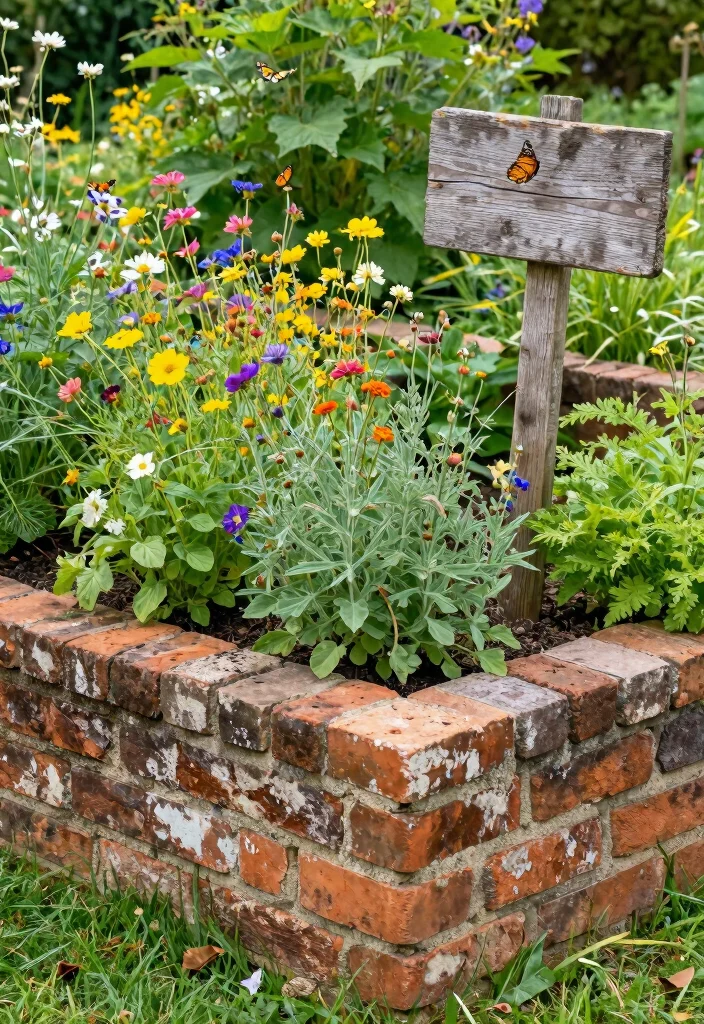
Embracing rustic charm in your garden can add a lovely aged feel to your beds. Using weathered bricks introduces character that blends beautifully with nature.
Simply construct your raised beds with old bricks that show natural wear, creating a timeless appeal. This design works wonderfully in country-style gardens, allowing plants to thrive while looking effortlessly charming.
Considerations for rustic beds:
– Mix and match bricks for a dynamic appearance.
– Allow surrounding vegetation for a more natural feel.
– Choose plants that complement the weathered look, like wildflowers or herbs.
Rustic brick beds can introduce warmth and a sense of home to your garden space!
12. Brick Raised Beds for Edibles and Ornamentals
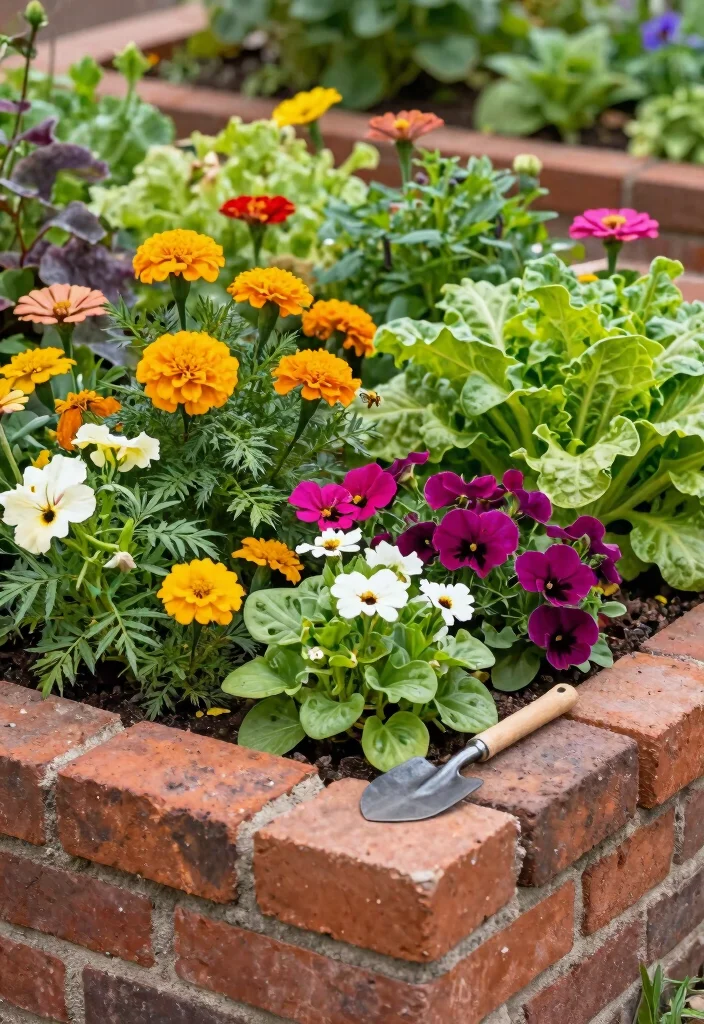
Combining edible plants with ornamental flowers in your brick raised beds creates a stunning display while providing fresh produce. This method allows you to enjoy the beauty of blooms alongside your favorite vegetables and herbs.
Interplanting vibrant flowers with edible options like kale and tomatoes not only attracts pollinators but also adds visual interest. Arrange taller flowers or vegetables at the back and shorter varieties at the front for a layered effect.
Benefits of this combination:
– Maximizes space by blending aesthetics and functionality.
– Encourages biodiversity by attracting pollinators.
– Provides colorful and varied garden scenes throughout the seasons.
This combination will make your garden a visual feast and a source of fresh ingredients!
13. Recycled Brick Gardens for Sustainability
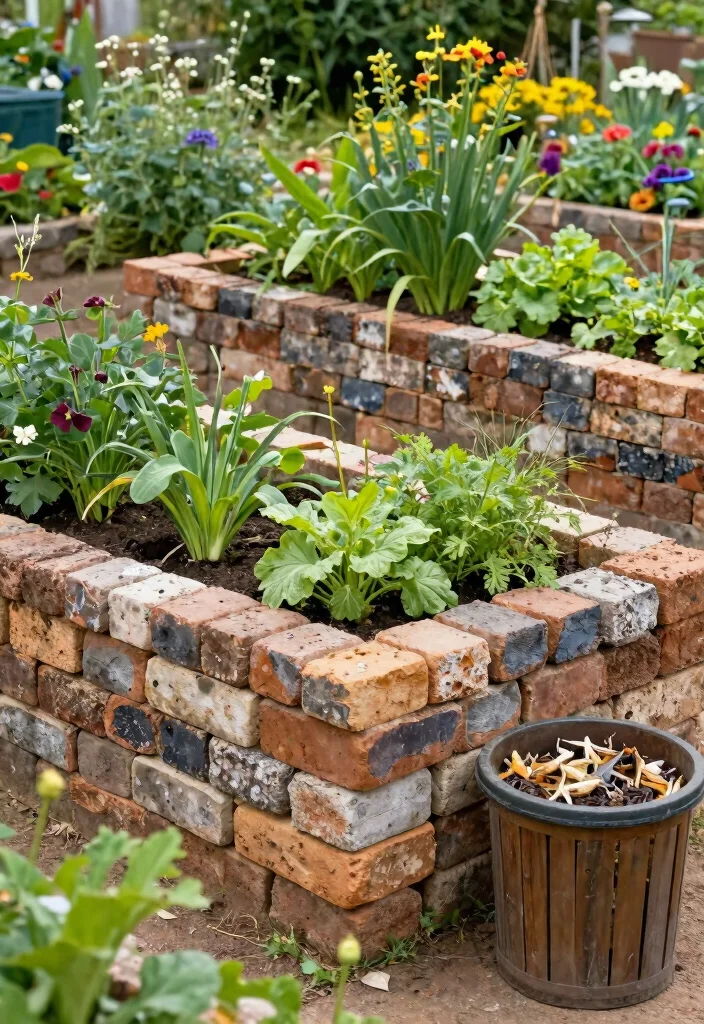
Incorporating recycled materials into your garden project is a fantastic way to promote sustainability. Using old bricks reduces waste while adding unique character to your space.
Building raised beds from recycled bricks evokes rustic charm and provides a solid foundation for plants. Seek out bricks from old paths or buildings; they often carry history and personality to your garden.
Advantages of using recycled bricks:
– Eco-friendly gardening solution that respects the Earth.
– Unique character and history of each brick adds charm.
– Cost-effective gardening using recycled materials.
With recycled bricks, you’ll create a sustainable garden that looks great and contributes positively to the environment!
14. Playful Shapes for Kids’ Gardens
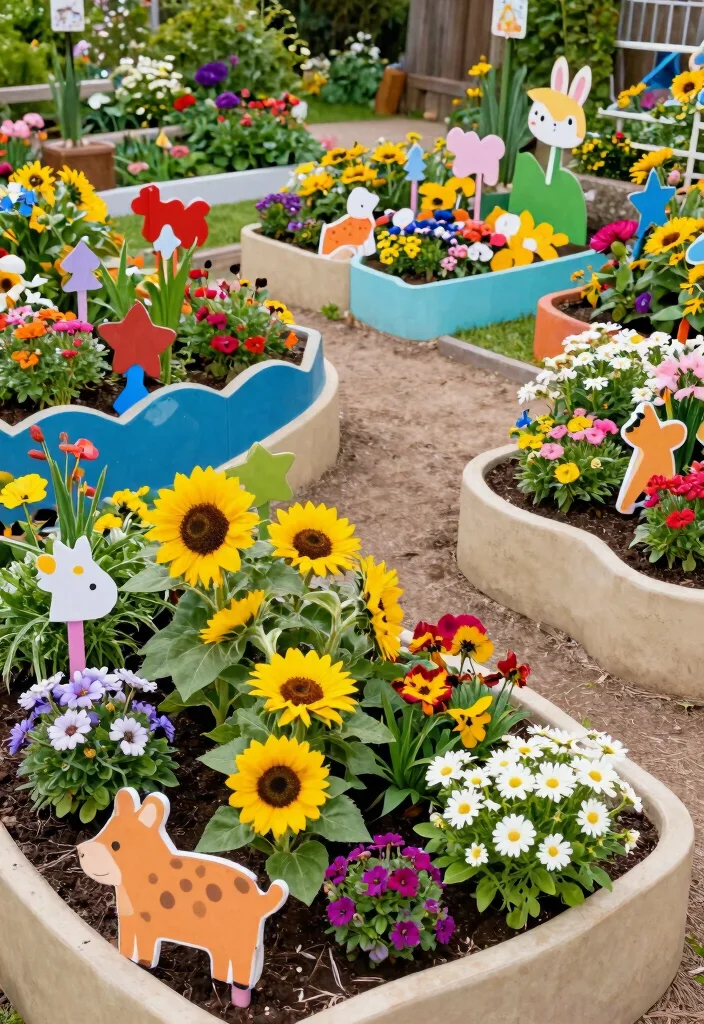
Creating playful shapes with brick raised beds can truly make gardening exciting for kids! Consider building beds in whimsical shapes like hearts, stars, or even octagons. These fun designs can ignite kids’ curiosity and encourage their involvement in gardening.
Fill these imaginative shapes with brightly colored flowers or easy-to-grow vegetables, making the gardening journey enjoyable. Enhance the playful atmosphere with fun decorations like garden stakes or toys to spark their imagination.
Why creative shapes are effective:
– Keeps children engaged and interested in gardening activities.
– Adds visual excitement to your outdoor area.
– Provides a unique and personalized gardening experience.
Let creativity flow in your garden, and you may inspire a lifelong love of gardening in the next generation!
Fun fact: Kids who help assemble brick raised garden beds are 3x more likely to taste what they grew. Whimsical shapes like hearts, stars, and octagons turn gardening into play, while bright flowers and easy veggies spark curiosity.
15. Seasonal Themes in Your Brick Gardens
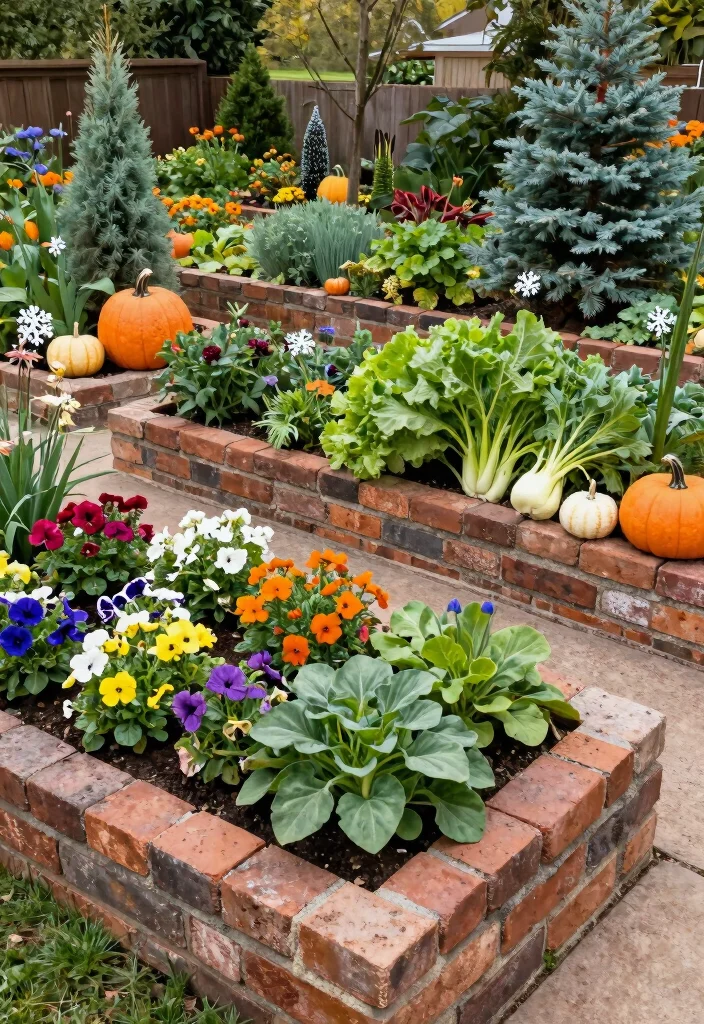
Incorporating seasonal themes into your brick raised garden beds can keep your gardening fresh and visually appealing throughout the year. By changing plants according to the seasons, you can enjoy lovely displays, from spring blooms to summer veggies, fall harvests, and winter greenery.
Creating themed beds for each season allows for a beautiful array of colors and textures. Use perennials for lasting structure and annuals for seasonal bursts of color to keep your garden lively.
Consider these tips for seasonal gardening:
– Plan seasonal layouts in advance for better organization.
– Select plants that thrive in their respective seasons for optimal growth.
– Use decorative elements to enhance your seasonal theme.
With seasonal themes, your garden will always offer delightful surprises, keeping it vibrant and engaging throughout the year!
Fun fact: Seasonal themes in brick raised garden beds can boost curb appeal by up to 40% when you rotate annuals and perennials. Pair perennials for lasting structure with seasonal annuals to keep brick raised garden beds lively all year.
Conclusion
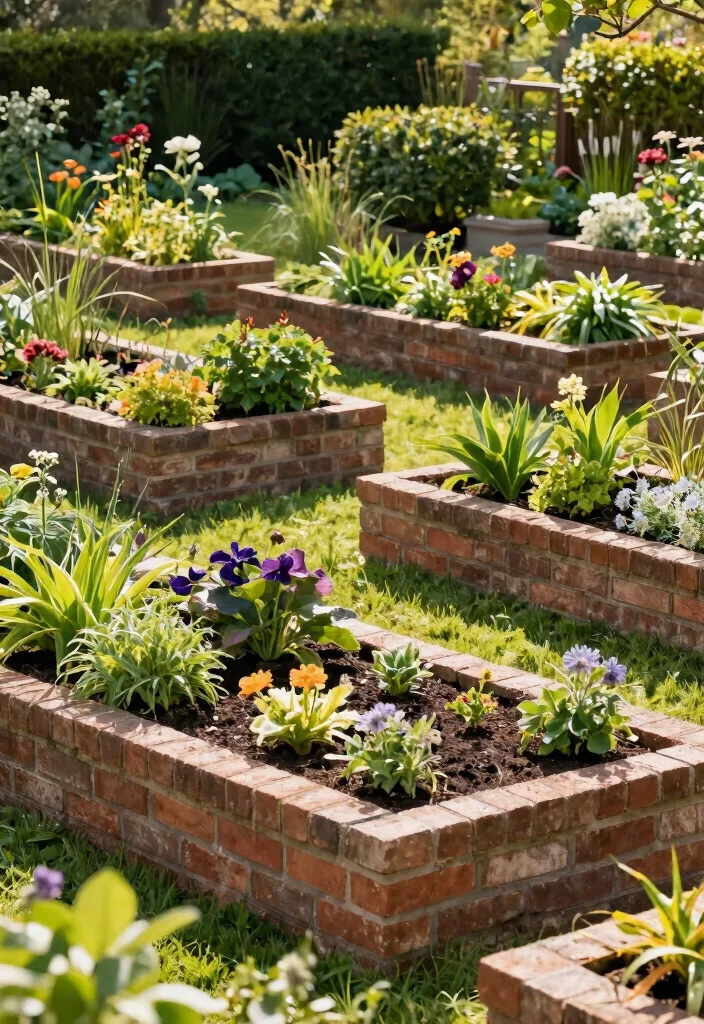
Brick raised garden beds offer a fantastic way to elevate your gardening experience without the need for mortar or fancy tools. With so many creative ideas to choose from, you can personalize your garden to reflect your style while cultivating beautiful plants. Whether you’re short on space or simply seeking a unique aesthetic, these designs provide both beauty and functionality. Don’t hesitate to roll up your sleeves and start building your dream garden today!
Frequently Asked Questions
How can I build brick raised garden beds without mortar or special tools?
When you want brick raised garden beds without mortar or special tools, go with a dry-stack method. Start by picking bricks (standard clay bricks or salvaged bricks both work) and plan a size that fits your space. Prepare the site: clear weeds and level the ground. Create a level sand base about 2-3 inches thick. Lay the first course straight, using a string line and a level to keep the wall true. Build subsequent courses with a running bond (staggered joints) so the walls lock together. For corners, use full bricks and alternate joints on each layer to improve stability. If you want a more finished look, cap the wall with a final row of bricks. Lay down landscape fabric along the bottom and backfill with a good mix of soil and compost as you rise. Finish with mulch or stepping stones and a neat edge. This approach is ideal for DIY garden beds and is a simple easy gardening solution for outdoor gardening projects or raised bed gardening in small spaces. The result gives you attractive brick raised garden beds without mortar.
What bricks work best for DIY brick raised garden beds, and how many bricks would a small bed need?
Best bricks are durable, uniform standard clay bricks or quality reclaimed bricks. Look for bricks that are sound, not cracked or crumbly. For a small bed, a rough estimate is: bricks per layer = perimeter length in feet divided by brick length (roughly 0.66 ft). Height: decide how tall you want the wall; multiply number of brick courses by bricks per layer. As a rough guide, a typical 4×4 ft bed with a 12–14 inch wall needs about 140 bricks (standard bricks laid dry). A shallower 8–10 inch wall might use around 90–120 bricks. If you’re building a longer bed (for example 4×6 ft), use about 20-30 bricks per layer and multiply by the number of courses. Salvaged bricks can save money and add character, just check for loose or eroded bricks before you start.
How can I keep brick raised beds stable and safe without using mortar?
To keep bricks stable without mortar, use the dry-stack technique and lock corners by stacking bricks with staggered joints. Start with a solid, level base of sand, and build slowly, adding soil backfill as you go so the wall is anchored by the weight of the soil. Keep bricks level with a string line and a simple spirit level. For extra stability, ensure corners interlock and consider using a cap row on top for a finished look. Avoid over-tightening or forcing bricks; if the wall shifts, lift the top course slightly and re-seat. This approach aligns with DIY garden beds and is a practical easy gardening solution for brick raised garden beds that don’t require mortar. Regular maintenance like light cleaning and checking for wobble will keep your wall solid and safe in your outdoor gardening projects.
What soil mix and bed depth should I use for brick raised garden beds in small spaces?
For soil, aim for a loamy, well-draining mix. Fill the bed to 12-18 inches deep, depending on what you’re growing. A simple, actionable mix: about 60% high-quality topsoil, 30% compost or well-rotted manure, and 10% coarse sand or perlite for drainage and aeration. Add organic matter like shredded leaves to improve moisture retention. If the bed sits on bare ground, place a layer of landscape fabric to help water percolate and keep weeds out. In small-space raised bed gardening, think about crop choices: shallow-rooted herbs, leafy greens, radishes, and bush beans do well in brick garden design beds. This is a practical, outdoor gardening projects approach for brick raised garden beds.
Which plants thrive in brick raised garden beds, and how should I design them for easy maintenance in tight spaces?
For design and maintenance, place sun-loving crops in the center and herbs or lettuces toward the edges; keep plants accessible for watering and harvesting. In small spaces, you can create a simple brick garden design by mixing brick colors or adding a cap row to highlight edges. Use vertical space with a trellis or stakes for tomatoes or cucumbers to maximize raised bed gardening efficiency. After the season, refresh the soil by top-dressing with compost and rotate crops. Regularly check for loose bricks after heavy rain and reseat if needed. This fits DIY garden beds and offers an easy gardening solution for outdoor gardening projects in tight spaces.
Related Topics
brick raised garden beds
DIY garden beds
small space gardening
easy gardening solutions
raised bed gardening
outdoor gardening projects
beginner friendly
no mortar design
landscaping ideas
garden design
quick setup
sustainable gardening