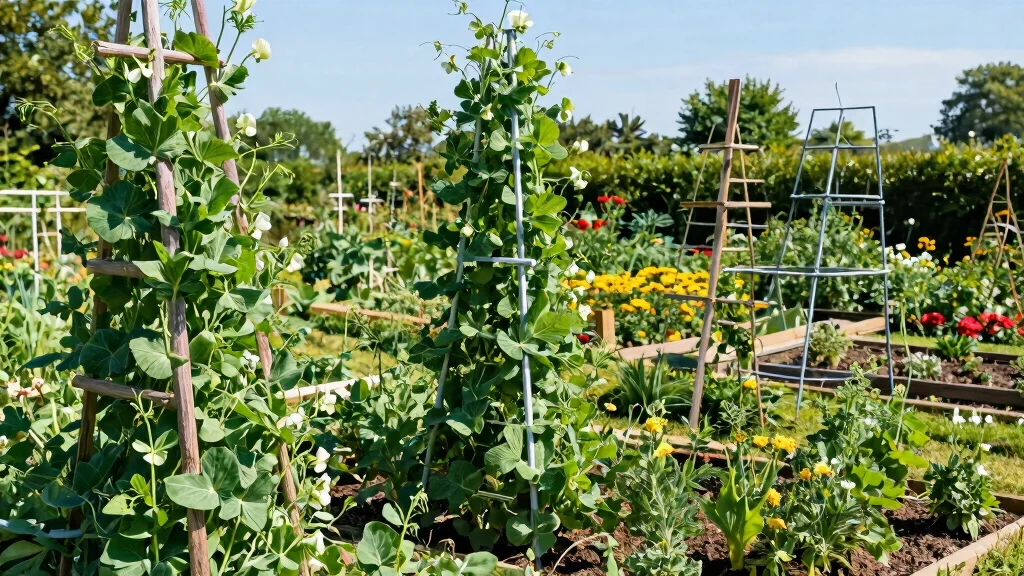
Gardening season can be a delightful time, especially when you’re craving homegrown peas. There’s something special about watching those vibrant green vines climb their way up to the sky. But let’s be honest—supporting those heavy vines can be a challenge. You want your peas to thrive, but you also need a sturdy trellis that won’t topple over. That’s why I created this list of 12 pea trellis ideas that are not just functional but also visually appealing.
If you love gardening and want to maximize your vertical space, this post is for you. Whether you’re a seasoned gardener or just starting your green-thumb journey, having solid trellis designs is essential. You’ll find inspiration here for everything from classic A-frames to creative DIY solutions. Each trellis idea supports climbing plants while ensuring they stay upright and healthy throughout the growing season.
In this blog post, you’ll find a variety of trellis designs that are sturdy, practical, and easy to set up. I’ve pulled together tips and tricks that will help you create the perfect support system for your pea plants. Get ready to dive into the world of vertical gardening and discover how to keep those climbing vines happy and flourishing!
Key Takeaways
– Explore 12 unique pea trellis designs that cater to both aesthetics and functionality to support heavy vines effectively.
– Discover materials like bamboo, PVC, and pallets that are great for building DIY pea trellis solutions suited to your garden style.
– Learn about the benefits of vertical gardening, which maximizes space while improving air circulation and reducing pest issues for your climbing plants.
– Find tips on how to build sturdy trellises that won’t tip over during storms or when the plants become heavy with fruit.
– Get ideas for customizing your trellis to match your garden’s vibe, ensuring your pea plants not only grow well but look great too.
1. Classic A-Frame Trellis
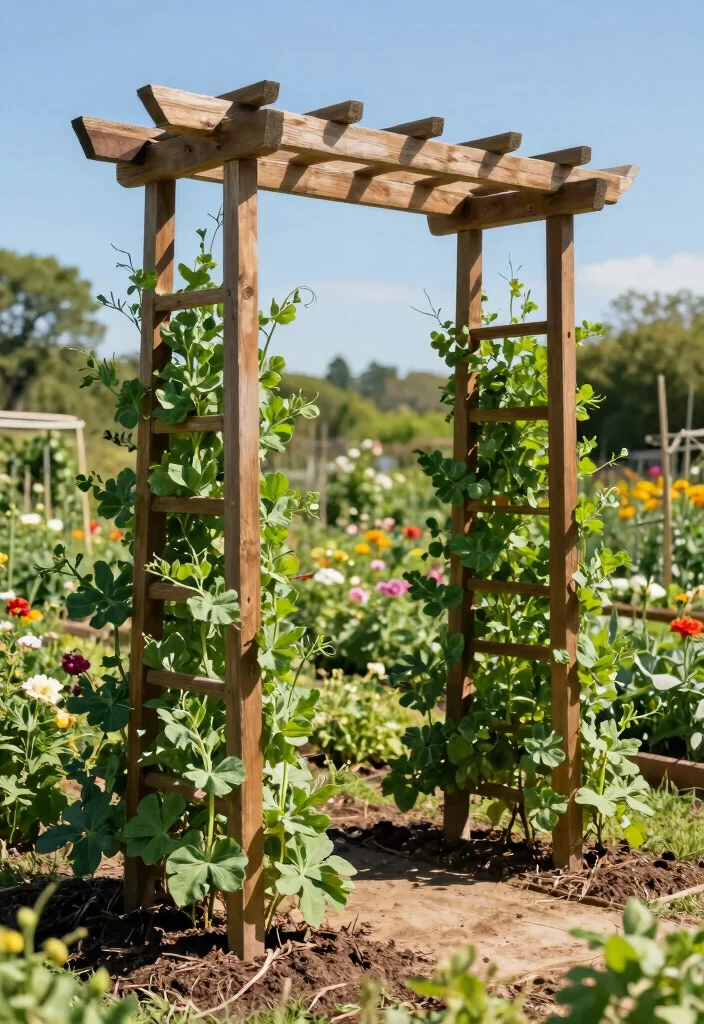
Looking for a dependable way to support your climbing peas? The classic A-frame trellis is a gardener’s go-to solution. This sturdy design not only holds up heavy vines but also maximizes space in your garden. Made from wooden stakes, it is simple to put together and can be customized with paint or stain to match your outdoor aesthetics.
Start by gathering your materials, choosing between standard wooden boards or bamboo poles. Adjust the height to fit your garden’s needs for optimal growth. This trellis provides robust support for even the thickest pea vines.
Key features to consider:
– Choose between wooden boards or bamboo for an eco-friendly option
– Customize the height to fit your garden’s layout
– Ensure it can handle the weight of your pea plants
With this classic design, your garden will not only thrive but also gain a rustic charm. You’ll enjoy a bountiful harvest with a structure that stands strong and looks great.

【Package included】:Crafted from robust hollow steel, this garden stakes features a fade-resistant green plastic coating, offering reliable protection against wind, rain, and rust. This Trellis for Climbing Plants Outdoor comes complete with everything you need to get started: 17pcs metal stakes, 8pcs T shape connect pipe, 2 A-shaped connectors, and a 0.9x1.8meter bird net.

【Rust-Resistant Material】: Cucumber trellis is constructed with high-quality galvanized steel inner pipes and an exterior plastic coating, forming a dual-layer rust-proof barrier to ensure long-lasting durability

【Rust-Resistant Material】: Cucumber trellis is constructed with high-quality galvanized steel inner pipes and an exterior plastic coating, forming a dual-layer rust-proof barrier to ensure long-lasting durability
Key Trade-offs & Our Top Pick
1. Classic A-Frame Trellis
– Pros:
– Simple and effective design for supporting climbing plants.
– Easy to construct with minimal tools and materials.
– Provides ample space for vine growth on both sides.
– Cons:
– May not be sturdy enough for exceptionally heavy vines.
– Requires sufficient space, which may not fit in smaller gardens.
– Best for: Beginners looking for an affordable and straightforward pea trellis solution.
2. Wire Fencing Trellis
– Pros:
– Durable and can withstand heavy vines without tipping.
– Versatile – can be customized to fit different garden layouts.
– Offers a modern aesthetic to your garden space.
– Cons:
– Can be more expensive than traditional wood options.
– Installation may require more effort, especially with larger sections.
– Best for: Gardeners looking for a long-lasting and stylish trellis option that supports various climbing plants.
3. PVC Pipe Trellis
– Pros:
– Lightweight and easy to transport, making it a great DIY project.
– Resistant to weather conditions, ensuring long-term use.
– Can be shaped in various ways to fit your garden’s design.
– Cons:
– May lack the visual appeal of natural materials like wood or bamboo.
– If not anchored properly, it can be unstable under extreme weather.
– Best for: DIY enthusiasts wanting a customizable and durable trellis that is easy to build.
4. Natural Bamboo Trellis
– Pros:
– Eco-friendly option that blends well with garden aesthetics.
– Strong and lightweight, making it easy to set up.
– Bamboo grows quickly, making it a renewable resource.
– Cons:
– May require more maintenance over time compared to metal options.
– Can become brittle and break if exposed to harsh conditions for too long.
– Best for: Gardeners who prefer sustainable materials and a natural look in their garden.
5. Simple DIY Trellis
– Pros:
– Fully customizable to fit your garden’s unique needs.
– Cost-effective since you can use leftover materials.
– Offers creative freedom to design as you like.
– Cons:
– Quality and durability depend on the materials used and your skill level.
– Can take longer to construct than pre-made options.
– Best for: Creative gardeners looking for an inexpensive and personalized trellis solution.
Best Overall: Classic A-Frame Trellis
The Classic A-Frame Trellis stands out as the best overall choice for most gardeners. It offers great value for money due to its simplicity and effectiveness. You can easily construct it without specialized tools, making it accessible for beginners. The design provides ample support for heavy vines while being versatile enough for various garden layouts. Plus, its low cost makes it a favorite among those just starting in gardening.
Why We Picked This:
While the A-Frame Trellis is a fantastic option for many, you might prefer the Wire Fencing Trellis if you’re looking for a more durable structure that can handle heavy vines. If you enjoy DIY projects, the PVC Pipe Trellis or Simple DIY Trellis allows for creative customization. Lastly, the Natural Bamboo Trellis is great for those who value eco-friendly materials. Each option has its own strengths, so your choice should reflect your specific gardening needs.

Ideal Garden Trellis:Height 6.3 feet(75.6 inches), perfect size to work as plant trellis.The vertical tomato tower obelisk gives flowering vines,vegetables and other planters a sturdy support to climb.Adds dramatic height to your garden with vertical trellising.
Ideal for Climbing Plants:These 3 pack moss pole monstera plant support provide support for all kinds of indoor and outdoor plants, especially suitable for monstera, climbing vine plants, money plants, creepers, Chlorophytum plant, ivy, philodendron, pothos, vanilla, chlorophyll plants, small leaf vines and other plants. And with the length of 30 in, they are not only perfect for tall plant, but ideal for small climbing plant to DIY shape.
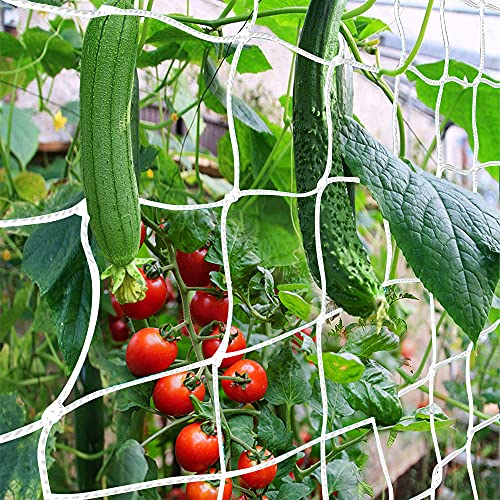
★【Reusable, High-quality, Versatile Trellis Netting】Soft, yet heavy-duty, this plant trellis netting helps plants cling to a smooth surface and will last a couple of years.
2. Horizontal Ladder Trellis
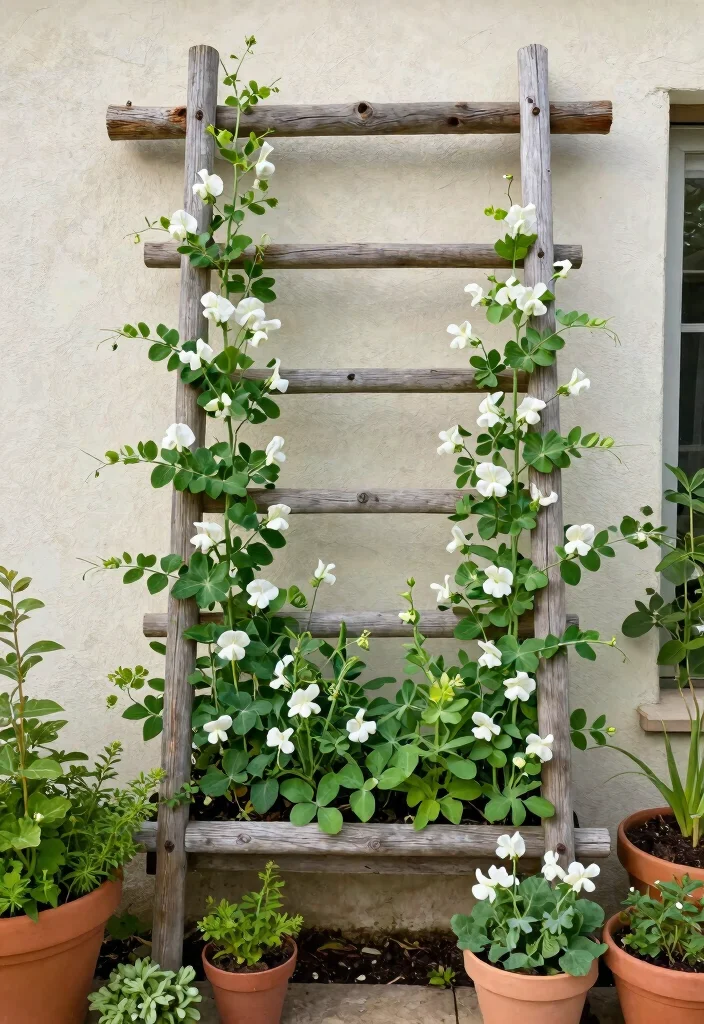
Short on vertical space? The horizontal ladder trellis is an ingenious choice for smaller gardens. This structure features horizontal rungs that allow your peas to climb, making it perfect for tight spaces or pots.
Opt for untreated wood for an eco-friendly vibe or metal for an industrial look. It’s easy to install against a wall or fence. Plus, this design makes it a breeze to harvest your peas.
Get started with these tips:
– Use untreated wood for sustainability or metal for durability
– Position it against a sunny wall to maximize light
– Combine it with other plants for a visually appealing garden layout
Your peas will flourish with this stylish trellis, creating a beautiful backdrop while saving space in your garden.

[EXPANDABLE & CUSTOMIZABLE GARDEN FENCE] Our bamboo trellis effortlessly expands from a compact 11”X45.6” to different size, Several expandable sizes for refer()conforming to various garden spaces. providing the perfect custom fit for your unique gardening or decor needs.

Forever Bamboo Natural and peeled willow trellis for outdoor garden is expandable and supports both small and large gardens
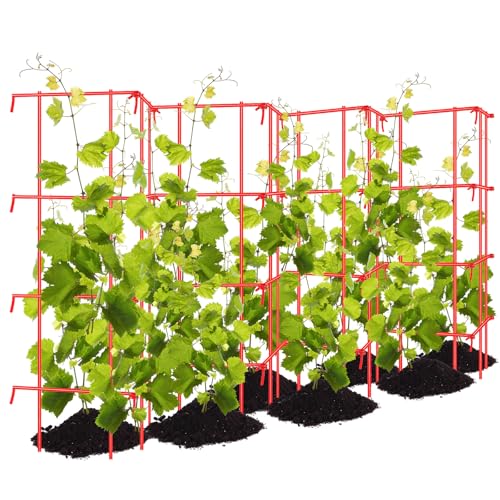
Material and Size: our sturdy expandable tall pea trellis features durable powder coated steel and has a total length of 9' by 37" high installed Sturdy, easy-to-use support for climbing peas and other crops; Keeping your harvest safe and raising it off the ground for better growth
3. Wire Fencing Trellis
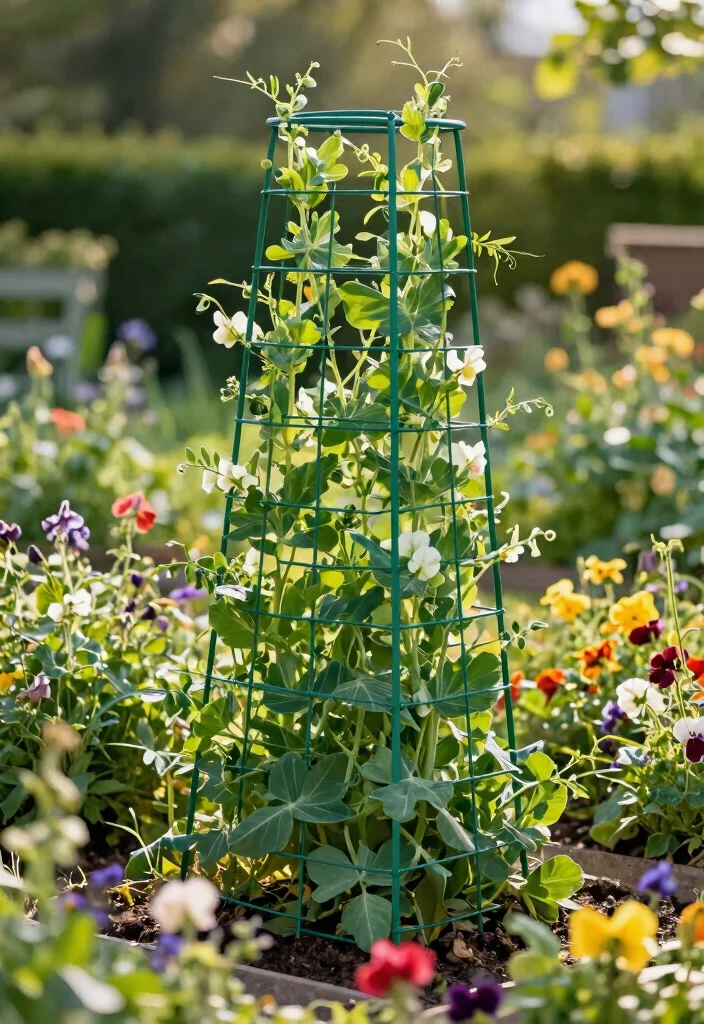
Want a modern look for your garden? A wire fencing trellis offers a sleek design that provides strong support for climbing peas. This setup features a sturdy frame covered with wire mesh, making it ideal for garden beds.
Metal wire is durable and can withstand the elements, while the open design allows sunlight and rain to nurture your plants. Customize the size to fit your gardening space.
Here’s how to make the most of it:
– Use metal wire for longevity and resilience
– Shape the frame to your desired dimensions
– Consider painting the wire for a pop of color
This trellis not only supports your peas but also enhances your garden’s modern aesthetic, allowing for healthy growth.

SAMLL PLANT SUPPORT STAKE --- Length: 14" (35.6cm), width:4" (10cm). Small trellis also could become large trellis, just stack them up and down, or connect them together left and right perfect for longer or taller plants

🌑[Plant Growth Support]:Garden plant trellis are committed to helping your indoor for potted plants and adds to the natural beauty. As plants grow, the houseplant trellis takes the form of a ladder to help your plant climbing and growing.

Unique Design: Our potted plant trellis for climbing plants designed specifically to be superimposed, and easy to adjust as the plants grow; The mini garden trellis give your climbing plants the support they need to grow their best
4. Rustic Pallet Trellis
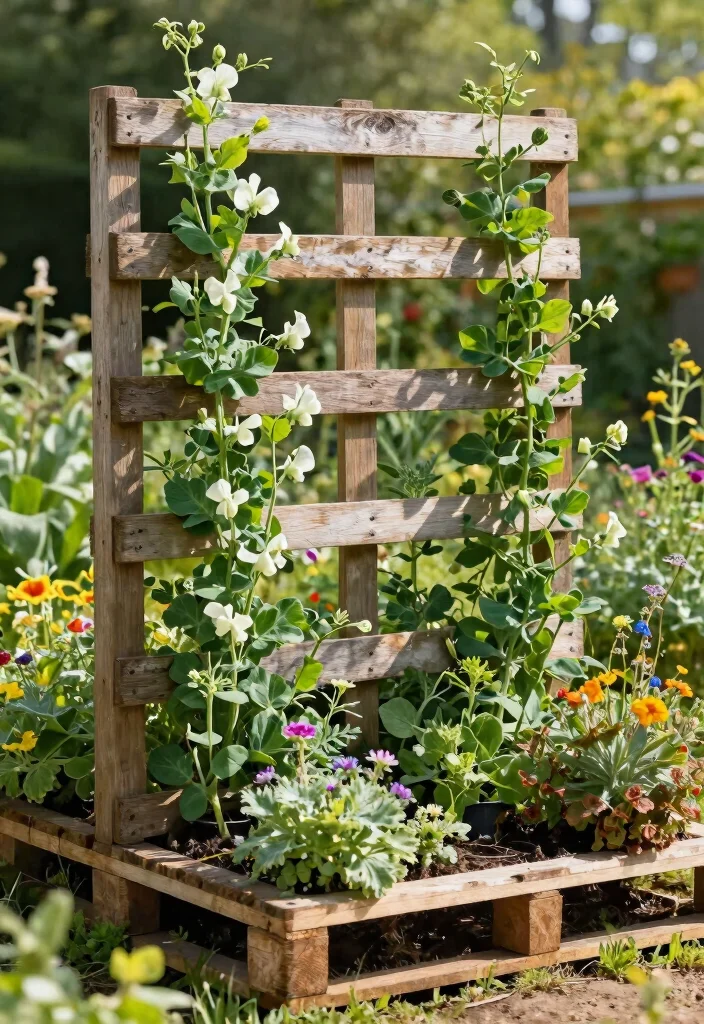
Transform old wooden pallets into a charming trellis that supports climbing peas while adding character to your garden. This eco-friendly option brings an organic touch and is surprisingly effective.
By repurposing pallets, you create a sustainable garden solution. Customize the look by cutting and painting the pallets to match your style. Secure it against a solid structure and let your peas climb to new heights.
Consider these benefits:
– Upcycle pallets for an eco-friendly approach
– Personalize with paint or cuts for your garden aesthetic
– Use the base for smaller plants for a dual purpose
With this fun DIY project, you’ll enjoy a unique garden feature that supports your plants while showcasing your creativity.
Upcycling pallets turned my pea trellis ideas into reality—easy, affordable, and surprisingly sturdy. When your vines start climbing, that simple pallet becomes a charming feature you actually enjoy tending. It’s a practical way to boost harvests without tipping the scales of your garden.
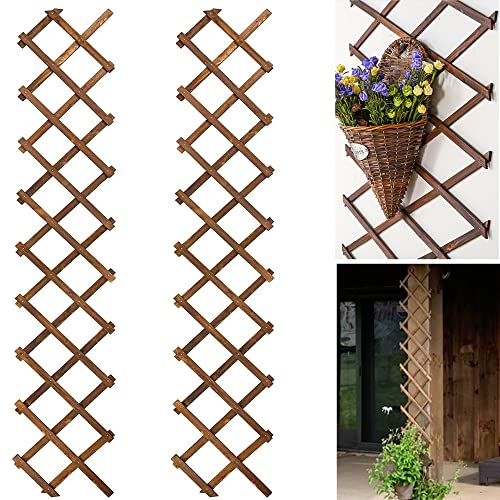
🌲【Natural Wooden Fence】 :Wooden lattice wall planter are perfect for climbing plant and provide them enough places to stretch branches. Besides, they can be used as wall-mounted flower pots shelf, garden fences, and home decorations that can hang family photos or string lights.
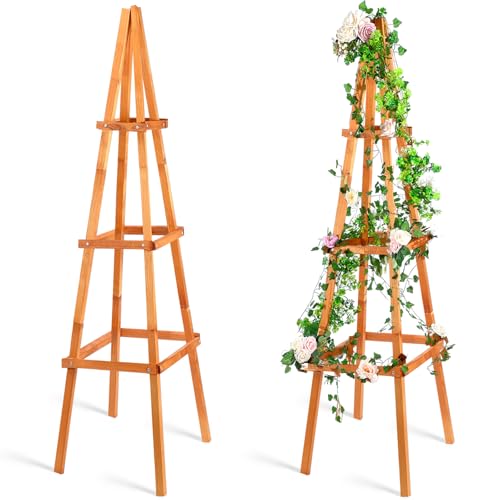
Sturdy and Rustic Elegance: enjoy the ideal combination of timeless charm and utility with our wooden obelisk trellis; Crafted from Paulownia wood, this sturdy brown piece will bring a distinct rustic aesthetic to your garden; The robust nature of the wood ensures our trellis' longevity in outdoor conditions, providing the ideal climbing support for a myriad of plant varieties

5. PVC Pipe Trellis
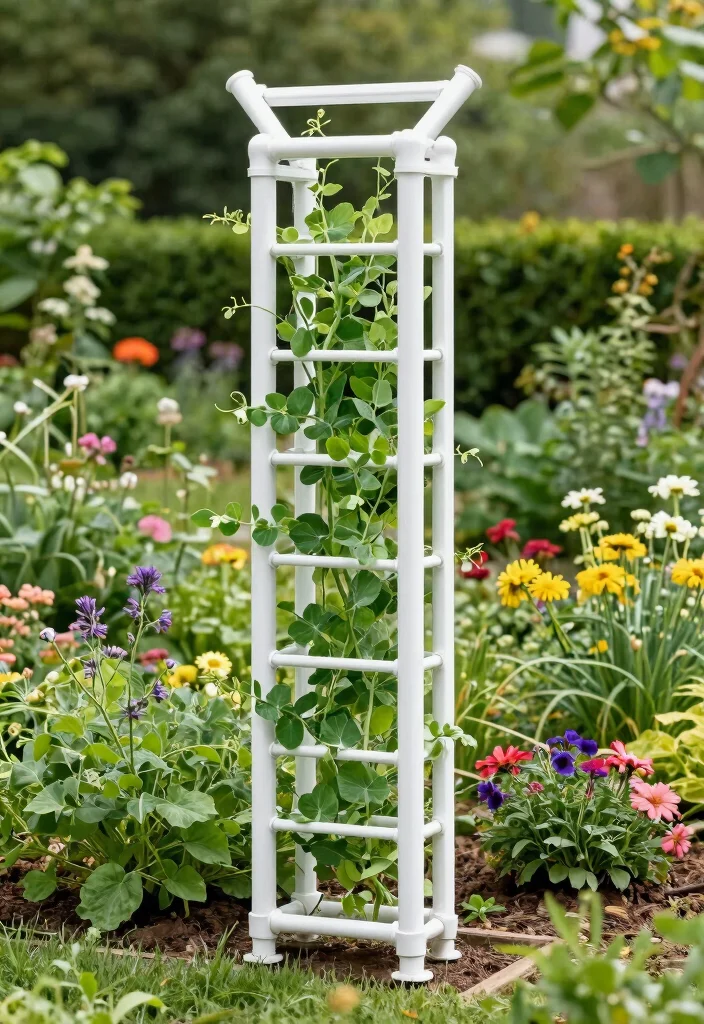
Looking for a lightweight and durable option? A PVC pipe trellis is easy to assemble and can be customized into various shapes for your garden. This design offers stability and effective support for heavy vines like peas.
PVC is weather-resistant, ensuring it won’t rust or rot, giving you long-lasting use. Cut and connect pieces with ease, creating a structure that fits perfectly in your space.
Key points to consider:
– Choose PVC for its weather-resistant qualities
– Easily adjust the design to your garden layout
– Spray paint it in your favorite color for style
With a PVC trellis, your peas will have the sturdy support they need while adding a modern flair to your garden.

【Package included】: This Trellis for Climbing Plants Outdoor comes complete with everything you need to get started: 17pcs metal stakes, 8pcs stainless wire connect pipe, 2 A-shaped connectors, and a 0.9x1.8meter Bird net.

Adjustable Height for Growing Plants: Easily adjust the height from 13" to 50" as your plants grow. Start low for young seedlings and extend the trellis for taller vines. Perfect for cucumbers, beans, peas, tomatoes, and other climbing plants in raised beds or outdoor gardens
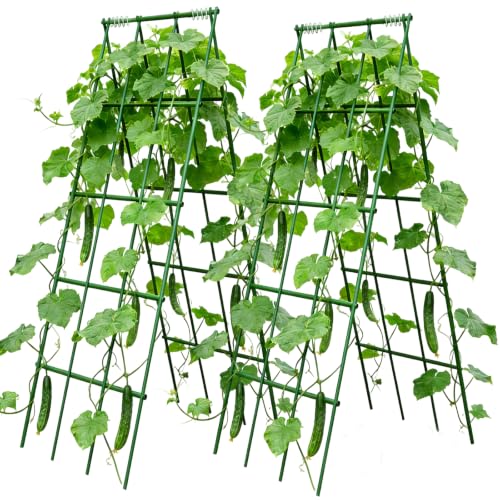
【No Assembly Required】Cucumber Trellis Out of the Box - From Packaging to Garden, Only 3 Minutes. While Other Bracket Kits Force You to Wrestle with More Than Ten Parts and a Wrench, Our No-Assembly-Required Bracket Panel Has Already Been Moved to the Garden for You, Providing a Simple and Quick DIY Erection Experience
6. Arching Trellis
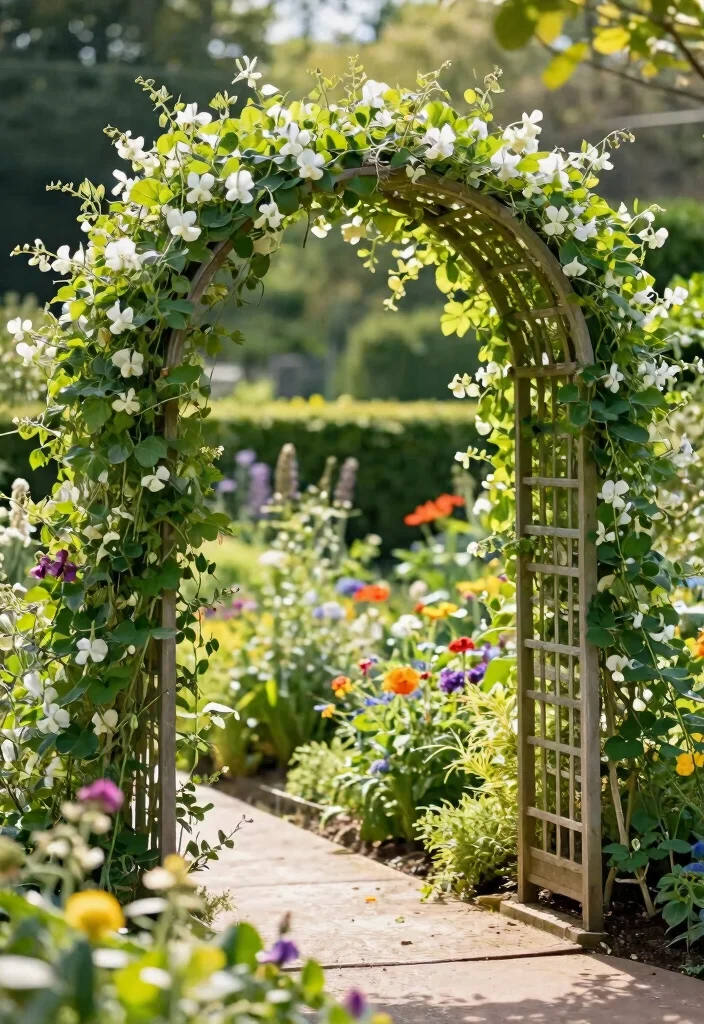
Create a stunning focal point with an arching trellis that supports climbing plants and adds architectural beauty to your garden. This design not only offers ample space for your peas but also enhances the visual appeal of your outdoor space.
Use sturdy materials like wrought iron or wood for durability. You can customize it with hanging flowers or lanterns for extra charm.
Here’s why you should consider it:
– Perfect for garden entrances or pathways
– Strong enough to support heavy vines
– Add decorative elements for personality
This trellis will turn your garden into a beautiful oasis, creating a lush green canopy as your peas climb and flourish.

UNIQUE STYLING DESIGN: Fit perfectly with the plants in the pot, the branch shape fits better with the plant itself, allowing PERSZEN monstera plant support suitable for almost all types of potted plants without standing out. The green color of plant trellis indoor makes it easier to blend in with the plants, providing support for your plants without affecting the aesthetics
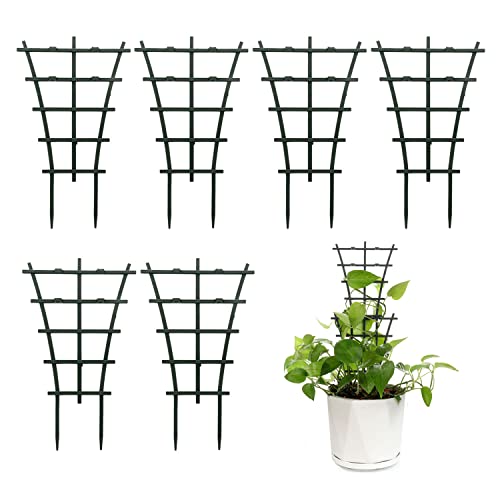
【Upgarded New Version】Our plant trellis is upgraded with high quality new material, increase the weight by 31%, reinforced to be more sturdier, providing stronger support for your potted plants

HEAVY-DUTY METAL CONSTRUCTION – Made from strong plastic-coated steel, these tomato cages provide reliable support for tall, heavy plants. Built to withstand outdoor conditions season after season without bending or collapsing.
7. String Trellis System
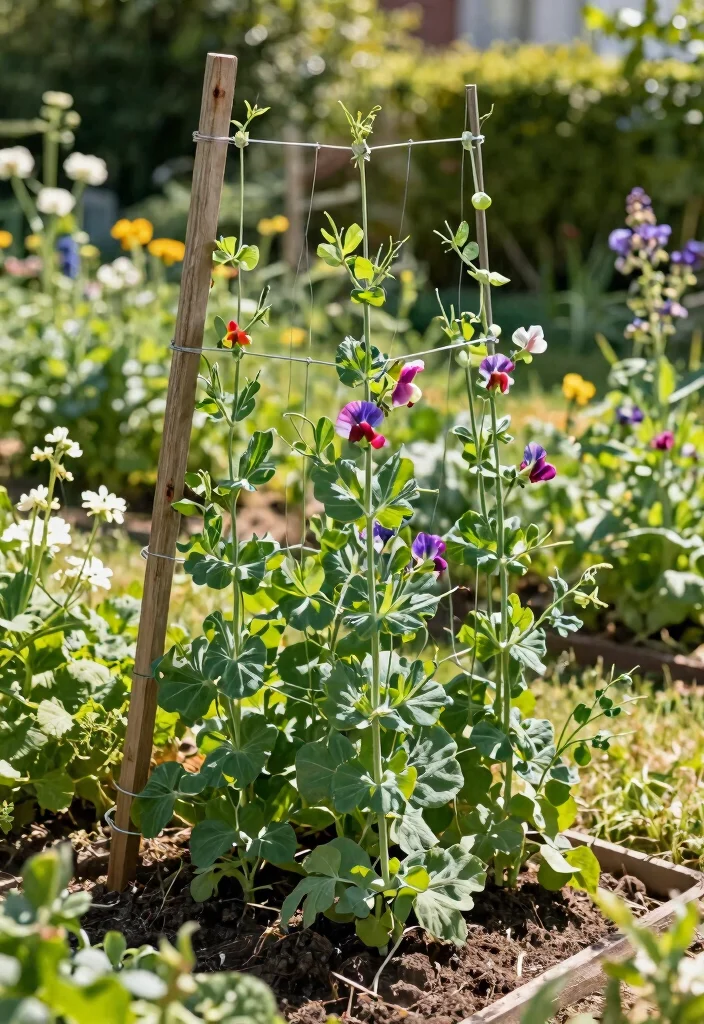
For a simple yet effective support system, consider a string trellis. This design uses strings tied between posts, providing an easy climbing surface for your peas.
It’s a minimalist approach that requires little space and is cost-effective, using materials like twine or fishing line. Adjust the height of the strings according to your plants’ growth for optimal support.
Follow these tips:
– Use twine or fishing line for affordability
– Install it in small garden beds or containers
– Adjust string heights as your plants grow
This system allows your peas to thrive, utilizing a straightforward design that enhances your gardening experience.
Fun fact: a string trellis in a small bed can increase pea production by up to 30% with minimal cost. Use twine or fishing line and adjust string height as vines grow for steady support and bigger yields.

Bamboo Garden Trellis: The expandable trellis is handcrafted from solid natural bamboo, 100% natural renewable Bamboo, Eco-Conscious garden choice. It creates a rustic natural atmosphere for garden while supporting sustainable, eco-conscious gardening.

Coloch set of 20 pack bamboo U trellis support measures: Length: 15.8 inches, Width:6 inches. The sufficient quantity can meet your demand and the size is suitable for a wide range of plants.

[EXPANDABLE & CUSTOMIZABLE GARDEN FENCE] Our bamboo trellis effortlessly expands from a compact 11”X45.6” to different size, Several expandable sizes for refer()conforming to various garden spaces. providing the perfect custom fit for your unique gardening or decor needs.
8. Vertical Garden Panels
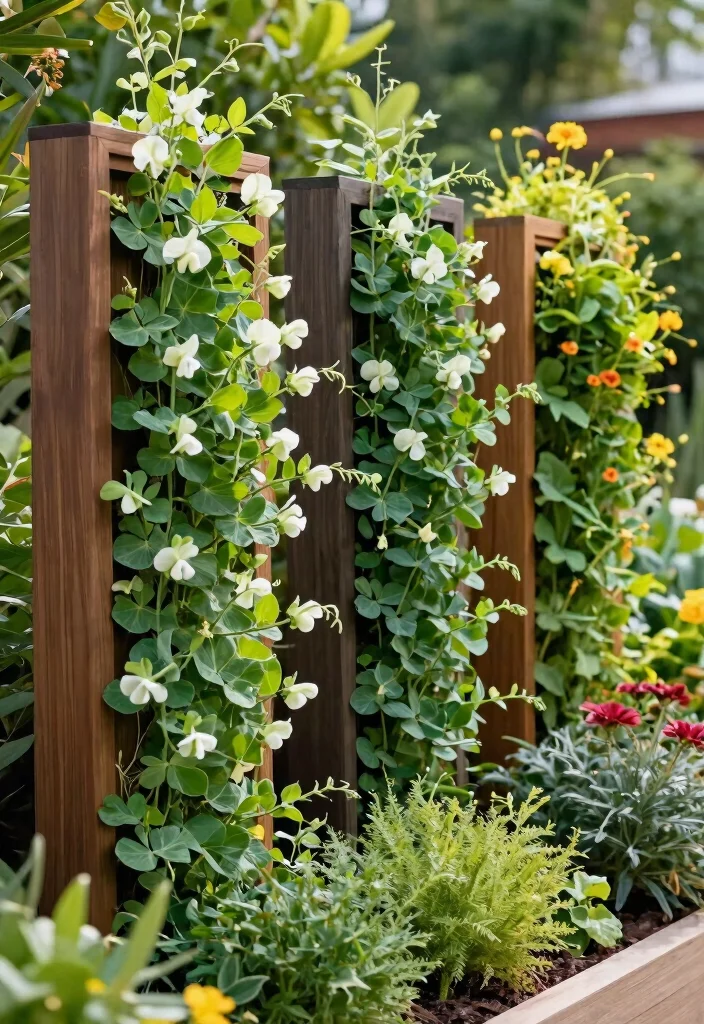
Vertical garden panels offer an innovative way to support climbing peas while creating a stunning vertical garden effect. These panels provide the stability your plants need while enhancing your garden’s overall aesthetic.
The modular design allows you to add or remove panels based on your garden’s requirements. They also make maintenance easy while supporting healthy growth.
Consider these advantages:
– Customize with modular panels for flexibility
– Add a modern touch to your garden space
– Simplify maintenance while supporting plant growth
With vertical panels, you’ll create an eye-catching feature that not only supports your peas but also elevates your gardening game.

Durable Material: Plastic outside and metal inside pole, The garden trellis are made of durable plastic-coated steel core for reliable strength, long-lasting performance. Not easy to rust or break.

Small Size - Length: 10.2"/26 cm; Upside width: 6.1"(15.5 cm); Underside width: 2.2"(5.5 cm), perfect small trellis for potted plants. Dark green makes it invisible for beauty

【Advantages of cucumber trellises】Heavy Duty Rustproof Garden Trellis, No assembly required, Ready to use right out of the box
9. Cordless Fence Trellis
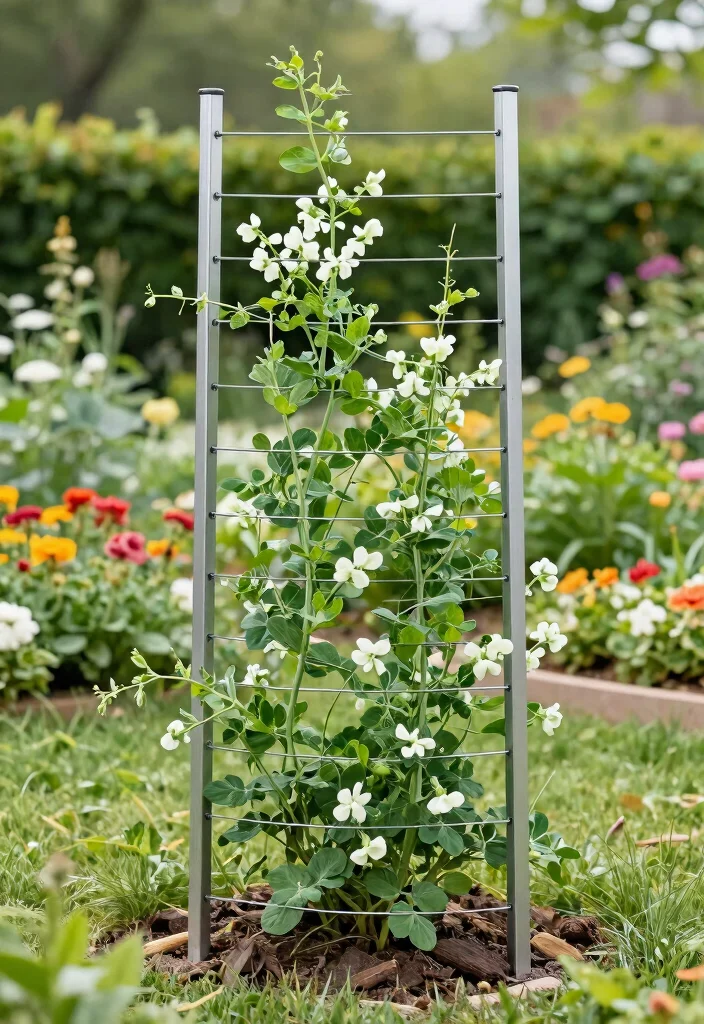
A cordless fence trellis is a unique solution that gives climbing plants the support they need without the bulk. This design features tensioned cables attached to posts, allowing your peas to thrive as they climb.
It offers strong support ideal for heavier vines and presents a modern, sleek look in your garden. You can customize the height and spacing of the cables to suit your plants.
Here’s what to keep in mind:
– Provides solid support for heavier varieties
– Achieve a minimalist garden design with this trellis
– Customize cable height for optimal growth
This innovative design not only supports your peas but also serves as an attractive feature that enhances your garden’s visual appeal.
Fun fact: A cordless fence trellis with two tensioned cables can support heavy pea vines up to 8 feet tall, with reduced sag and bracing compared to wooden frames. It’s sleek, strong, and easy to customize for any space.

Supports Heavy Climbers & Vining Plants: Obelisk trellis can handle the weight of vigorous climbers like roses, clematis, beans, or cucumbers, preventing plants from sprawling on the ground

✅【0.35'' Thickness】 We've reinforced our garden lattice, increasing thickness by 30% to 0.35'' (0.9cm). A sturdier fence that withstands warping, cracking, and weathering, ensuring long-lasting beauty with less maintenance.
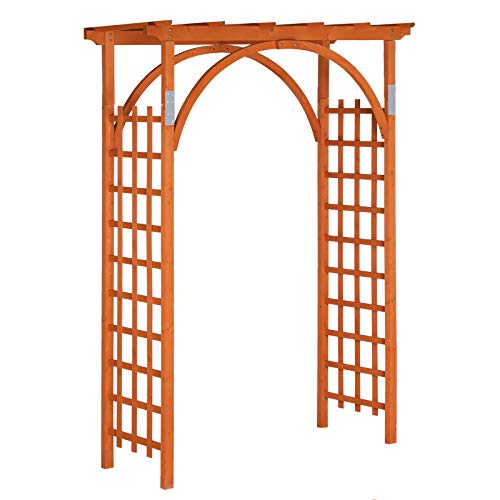
Solid Material -This Arbor is made by solid wood. It's sturdy and solid for long time and durable usage.Moisture Resistant,Maintain beauty and performance.
10. Natural Bamboo Trellis
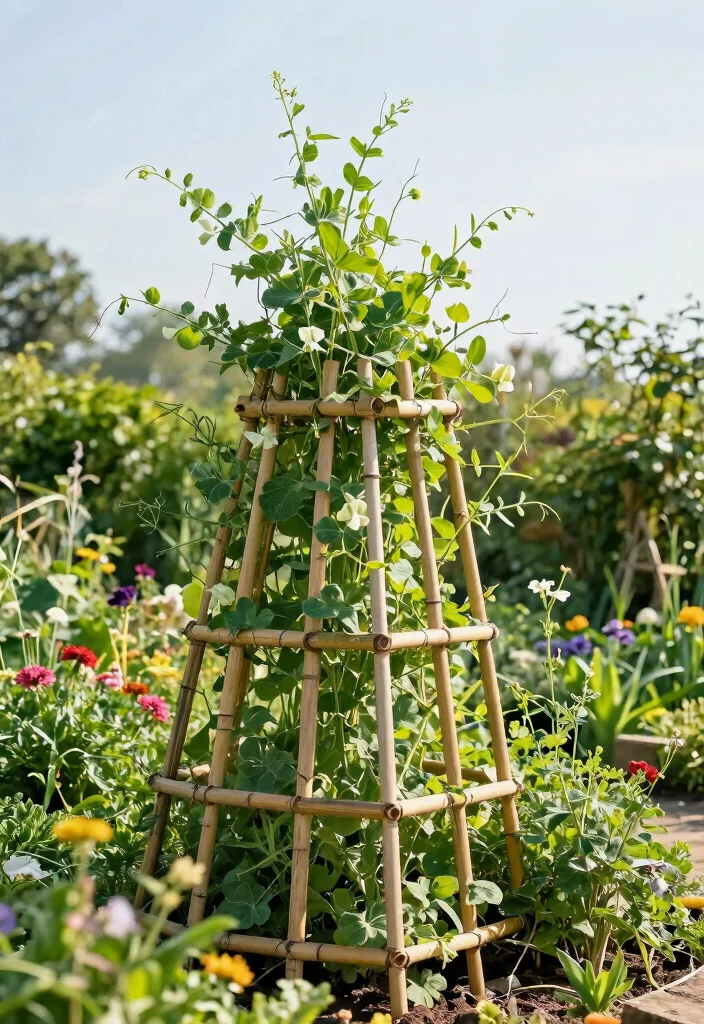
Bamboo trellises are an eco-friendly and stylish choice for supporting climbing peas. They are lightweight yet strong, adding a natural touch to your garden while efficiently holding up your plants.
As a renewable resource, bamboo is both sustainable and beautiful. You can easily cut it to size, creating various shapes for your garden needs.
Consider these benefits:
– Sustainable and eco-friendly option
– Adds a tropical or zen-like atmosphere
– Easy to customize for your space
Watch your peas flourish on a bamboo trellis, providing both support and a striking visual element in your garden.
11. Repurposed Door Trellis
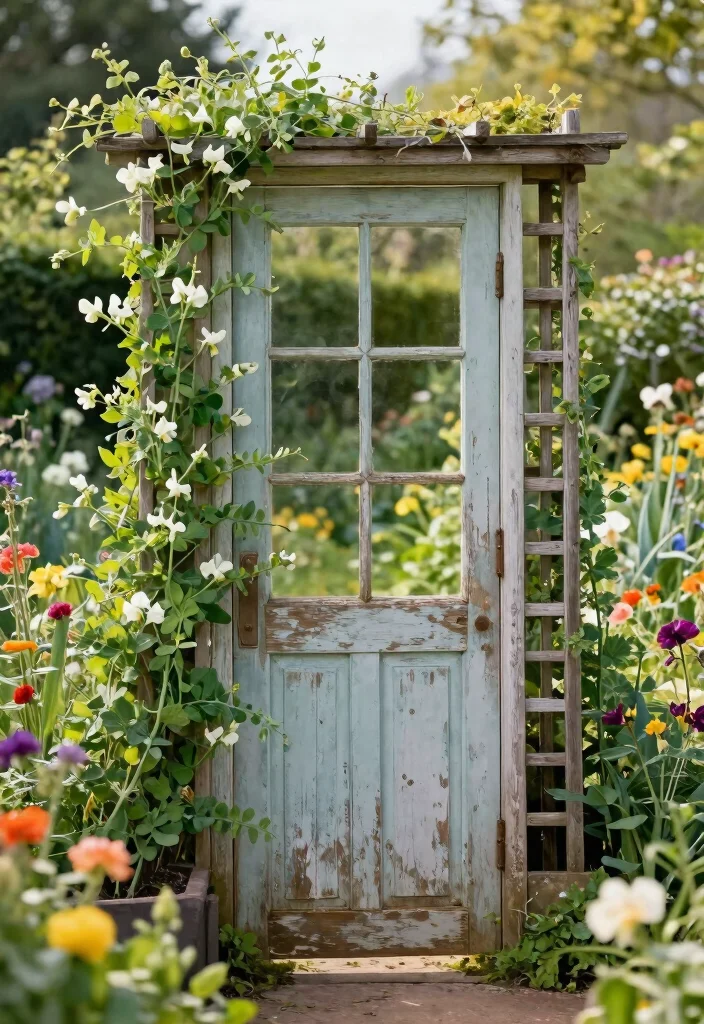
Transform an old door into a quirky trellis for your climbing peas! This creative approach not only recycles materials but also adds unique character to your garden.
With its sturdy structure, a repurposed door can provide strong support for heavy vines. Feel free to paint or decorate it to match your garden’s style.
Key features to enjoy:
– Stand out with a unique, repurposed trellis
– Strong and robust support for climbing plants
– Customize with paint or other decorations
Watch your peas climb the doorframe, making a fun statement while showcasing your creativity in the garden.
12. Simple DIY Trellis
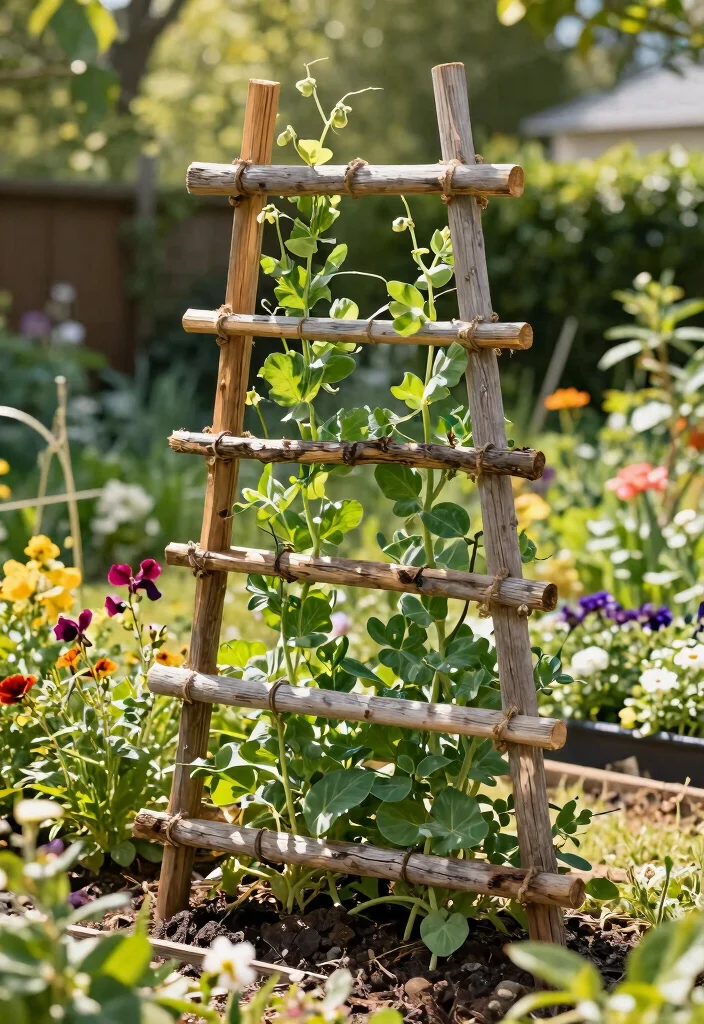
If you’re a DIY enthusiast, building a simple trellis from scrap materials can be a rewarding project. Use leftover wood, branches, or even old furniture parts to create a supportive structure for your peas.
Personalize your design to match your garden’s aesthetic while keeping costs low by utilizing what you have at home. Enjoy the satisfaction of crafting something with your own hands.
Tips for your DIY project:
– Customize the design to fit your style
– Use materials on hand for an affordable option
– Ensure the structure is sturdy enough for climbing peas
Not only will this trellis effectively support your plants, but it will also reflect your personal touch in the garden.
Conclusion
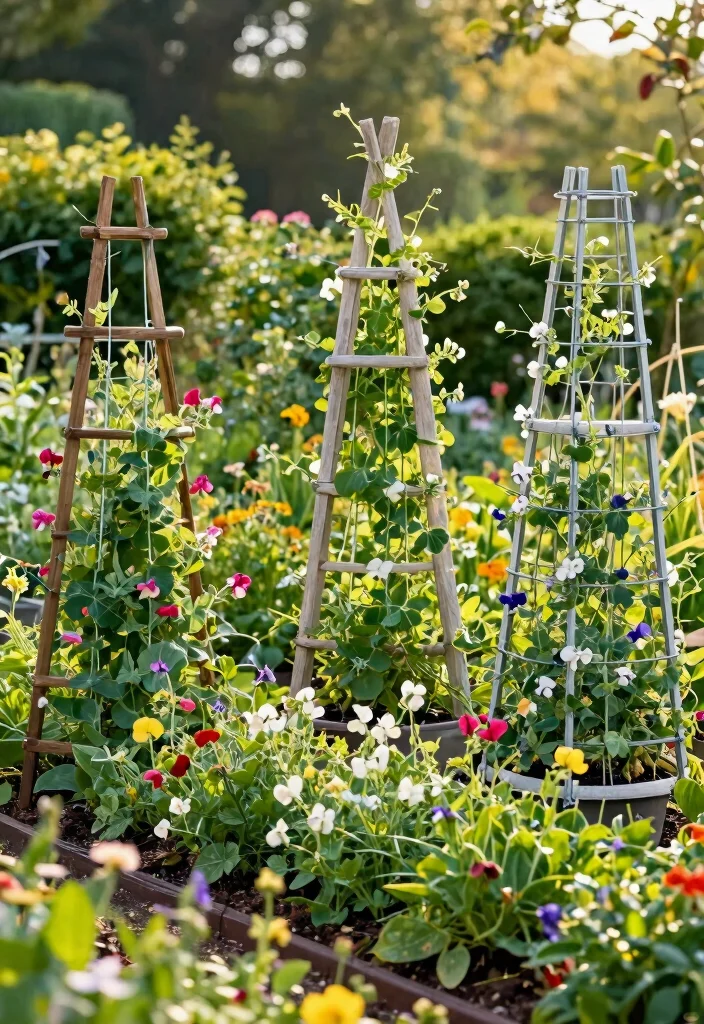
Choosing the right pea trellis can transform not only the growth of your plants but also the visual appeal of your garden. Each design offers its unique advantages and charm, so pick the one that resonates with your gardening style.
From classic wooden structures to creative DIY options, these trellis ideas are sure to keep your peas healthy and thriving. Start building today, and watch your garden flourish!
Frequently Asked Questions
What are the best pea trellis ideas to support heavy vines without tipping?
For robust vertical gardening with peas, try these pea trellis ideas that stay put in wind and rain. An A-frame trellis with solid posts and cross braces provides a wide, stable base great for heavy vines.
A teepee or tripod made from thick stakes can work well when you anchor it deeply and brace it at the top.
Alternatively, a fixed garden trellis panel or welded wire grid gives vertical support and plenty of tying points. Regardless of the design, bury the legs to a good depth, add weight at the base, and use soft ties to secure the vines for reliable vertical gardening without tipping.
How do I choose the right pea trellis design for vertical gardening in a small space?
In small spaces, you want efficiency and sturdiness. Look for designs with a small footprint but tall height: a wall-mounted lattice, a tall X-frame, or a compact teepee. Consider the weight of heavy vines and choose durable materials that won’t sag over the season. Position your trellis to maximize sun exposure and airflow, and pick a design that allows easy harvests and maintenance for vertical gardening with pea trellis ideas.
Can I DIY a pea trellis, and what materials work best for a sturdy DIY pea trellis?
Absolutely. A DIY pea trellis can be affordable and tailored to your space. Try using cedar or pressure-treated lumber for a durable frame, repurposed metal fencing, welded wire panels, or even sturdy PVC pipes. Add corner braces, reliable ground anchors, and garden-safe hardware to keep everything solid. Finish with soft plant ties and weather-proof coatings to ensure your pea trellis designs stay strong all season.
What are common mistakes that cause pea trellises to tip, and how can I prevent tipping?
Common culprits include shallow anchors, thin or weak materials, and lacking wind bracing. Placing a tall trellis on a narrow base or near open edges increases tipping risk. Prevent tipping by deepening anchors, adding cross-braces or guy lines, using heavier base materials, and spacing posts well apart to distribute weight. With these fixes, your garden trellises stay steady for reliable supporting climbing plants.
How can I optimize airflow and reduce disease using pea trellis ideas in vertical gardening?
Vertical gardening with pea trellis ideas naturally improves airflow and sun exposure around your peas. Space vines evenly along the trellis, avoid overcrowding, and choose designs with appropriate gaps to keep foliage dry. Prune lower leaves if needed and consider rotation or companion plants to minimize disease pressure. Pair your trellis with smart watering to keep leaves dry and stomata happy for healthier harvests.
Related Topics
pea trellis ideas
vertical gardening
supporting climbing plants
DIY pea trellis
garden trellises
heavy vine support
beginner friendly
easy garden solutions
creative trellis designs
sustainable gardening
seasonal gardening
outdoor gardening projects