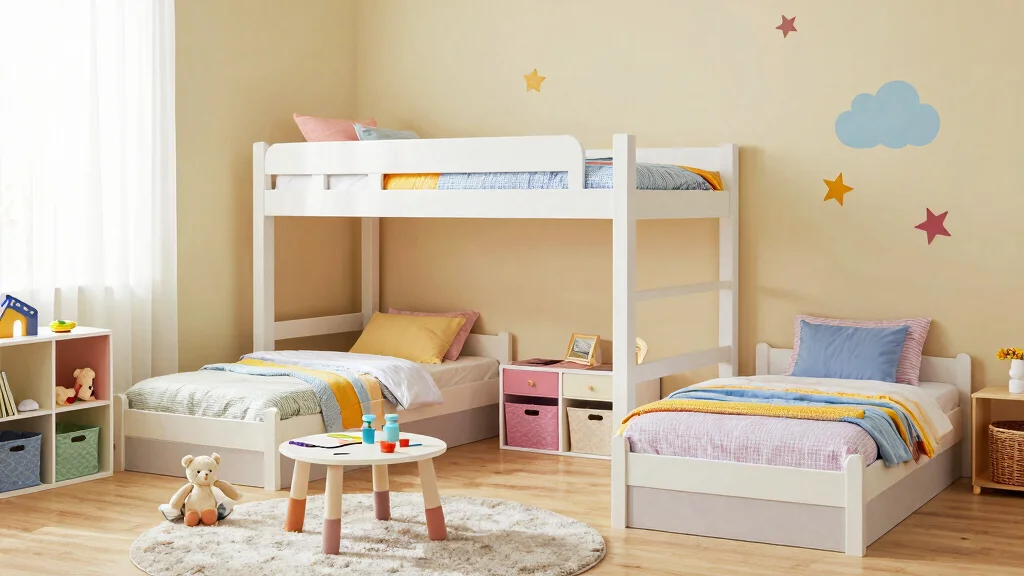
Creating a cozy and functional space for kids can be a delightful challenge, especially when you’re dealing with small shared kids bedrooms. As parents and caregivers, we want to make sure our children have a space that reflects their personalities while also being practical. With the rise of compact living and the need for space-saving solutions, I felt inspired to compile this guide. It’s all about combining function with style in these small rooms where kids share their dreams, adventures, and countless memories.
This post is for parents, guardians, and anyone looking to enhance their little ones’ shared spaces. If you’re navigating the joys of sibling dynamics or just trying to fit two beds, toys, and study areas into one room, you’ll find this helpful. You care about creating a space that’s not just functional but also cute and inviting. By making the most of limited space, you can foster an environment where creativity thrives and kids feel comfortable.
In this guide, you’ll discover 17 creative ideas for designing a small shared kids bedroom. From playful color schemes to innovative furniture solutions, each idea is crafted to inspire. Whether you’re looking for multifunctional decor or clever storage hacks, these tips will help you craft a room that your kids will love. Get ready to transform that small space into a haven of fun and functionality!
Key Takeaways
– Bunk Beds with a Twist: Explore unique designs that maximize vertical space and offer fun sleeping arrangements for siblings.
– Multi-Functional Furniture: Invest in furniture pieces that serve more than one purpose, such as beds with storage or desks that double as play areas.
– Creative Storage Solutions: Learn how to utilize under-bed storage, wall shelves, and innovative bins to keep toys and clothes organized in a small area.
– Personalized Decor: Make the room feel special for each child with personalized touches like their favorite colors, photos, or wall art that reflects their interests.
– Playful Color Schemes: Use bright colors and fun patterns to create a lively atmosphere that inspires play and creativity, while still maintaining a harmonious look.
1. Bunk Beds with a Twist
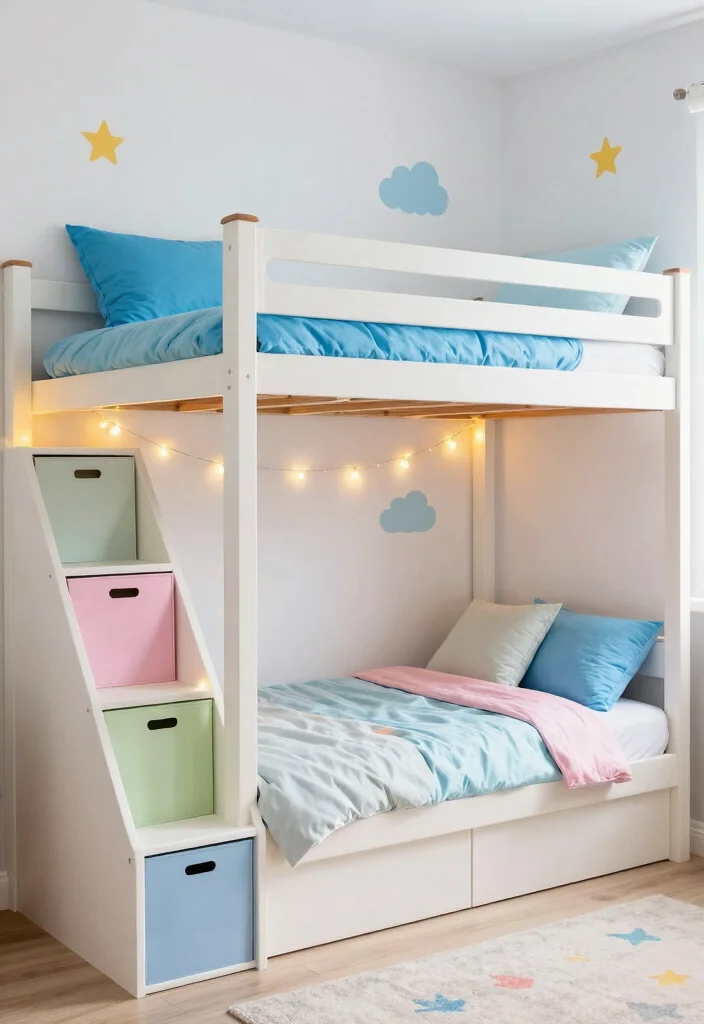
Bunk beds can be reimagined to create delightful sleeping arrangements in shared kids’ rooms. Opt for a design with a twin bed on top and a full bed below to provide both sleeping and lounging options. This way, siblings can enjoy their space while still being close together. Adding built-in storage drawers or a staircase that doubles as a bookshelf can make the setup even more functional. Vibrant colors like cheerful yellows or calming greens can make the room feel lively and inviting.
For a successful bunk bed setup, consider these ideas:
– Choose sturdy materials for safety and durability.
– Assess how the bed fits within the room’s layout.
– Add soft fairy lights or a playful canopy for a cozy atmosphere.
With this design, you blend functionality with charm, making the space both practical and inviting.

【Perfect for Cozy Bedrooms】This twin over twin bunk bed offers two separate and comfortable sleeping areas and versatile storage—including drawers, storage boxes, a desktop, and dual side shelves—maximizing every inch of space. Combining function with style, this bunk bed with storage creates a practical yet playful shared space for kids and teens.

Bunk Bed with Storage: Twin-over-twin bunk bed provide ideal solution for small rooms. It integrates 2-tier wooden bookshelves, 6 large storage drawers, that offers a lot of storage space for quickly sort books, building blocks, balls, and puzzles scattered on the floor into the hidden area to keep the floor and room tidy and neat.

【Perfect for Cozy Bedrooms】This twin over twin bunk bed offers two separate and comfortable sleeping areas and versatile storage—including drawers, storage boxes, a desktop, and dual side shelves—maximizing every inch of space. Combining function with style, this bunk bed with storage creates a practical yet playful shared space for kids and teens.
2. Multi-Functional Furniture
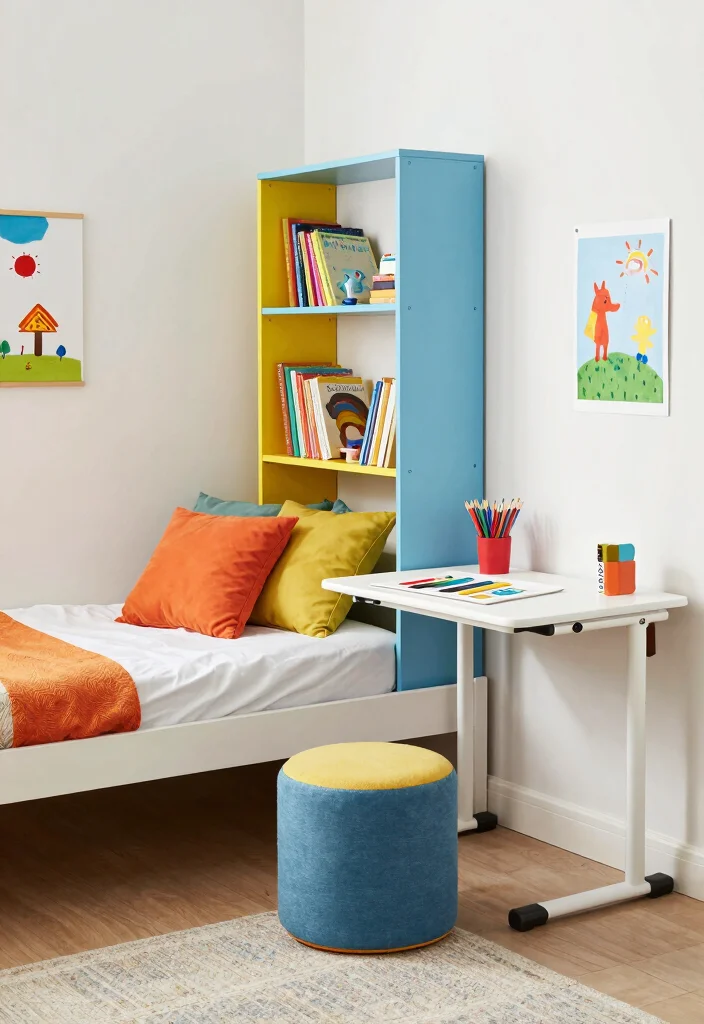
In compact spaces, multi-functional furniture can be a lifesaver. Look for versatile pieces like a daybed that serves as both seating and a sleeping area. Consider ottomans with hidden storage or foldable desks that can be tucked away to save space while keeping the room organized. Adding a low table for crafts or snacks can create a shared area for kids to enjoy.
Here are some smart multi-functional furniture ideas:
– Install a bookshelf that acts as a room divider.
– Choose a fold-out desk with storage for school supplies.
– Use beds with drawers for easy organization.
This approach not only maximizes space but also promotes creativity and collaboration among kids.
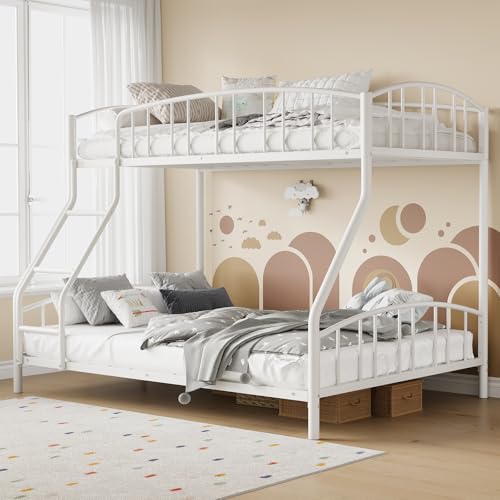
【Smart Space-Saving Solution】Maximize your bedroom or guest room layout effortlessly. This heavy-duty bunk bed's twin-over-full design is perfect for large families or rooms with limited floor space. It comfortably sleeps two without sacrificing valuable square footage, freeing up room for play, study, or storage. An ideal space-saving bunk bed frame.

Space-saving Bunk Bed: This bunk bed features a twin-over-full design that maximizes sleeping space in a compact footprint, making it ideal for shared bedrooms or guest rooms. Additionally, its low-to-ground construction is easier for children to climb in and out of bed.

【Smart Space-Saving Solution】Maximize your bedroom or guest room layout effortlessly. This heavy-duty bunk bed's twin-over-full design is perfect for large families or rooms with limited floor space. It comfortably sleeps two without sacrificing valuable square footage, freeing up room for play, study, or storage. An ideal space-saving bunk bed frame.
3. Creative Storage Solutions
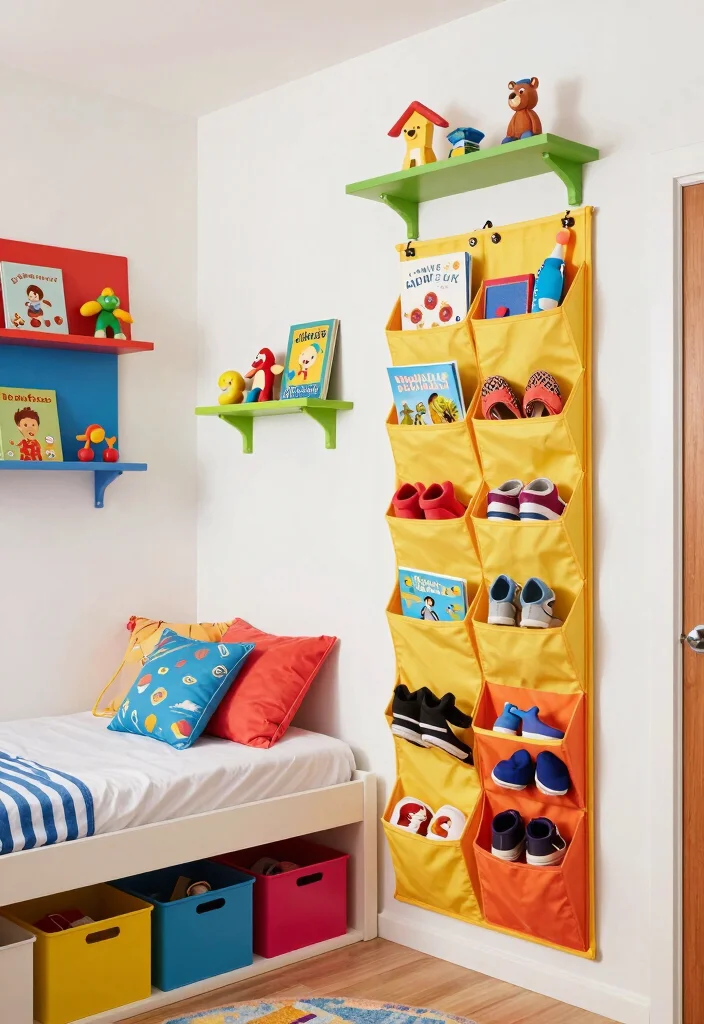
Storage can be a real challenge in small shared bedrooms, but thinking creatively can solve this issue! Utilize vertical space with wall-mounted shelves or hanging organizers for books and toys. Under-bed storage solutions like colorful bins or rolling drawers can keep items accessible yet out of sight. Over-the-door organizers can be great for shoes and accessories, maximizing every inch of space.
Here are some practical storage tips:
– Label bins for easy identification.
– Use clear containers to see contents at a glance.
– Encourage kids to help with organizing their space.
By keeping things tidy, you create a peaceful environment where kids can focus and thrive.
Fun fact: vertical storage can free up 40% more floor space in a small shared kids bedroom. Use wall shelves, under-bed bins, and over-the-door organizers for easy reach and tidy, accessible toys. Label bins for quick cleanup and calm mornings.

Made of solid carbon steel, sturdier than flimsy plastic bed shelfie. Anti-slip silicone pads & rounded corners protect bed frames from scratches. Ideal long-lasting dorm room essentials


Made of solid carbon steel, sturdier than flimsy plastic bed shelfie. Anti-slip silicone pads & rounded corners protect bed frames from scratches. Ideal long-lasting dorm room essentials
4. Personalized Decor
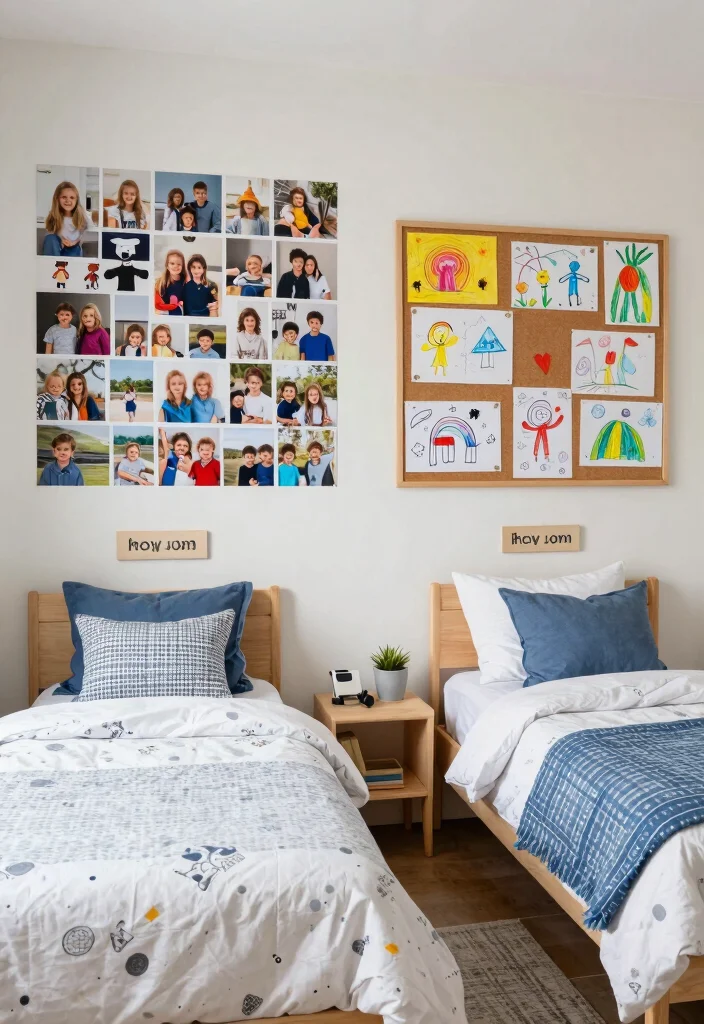
Creating a sense of ownership in a shared room can help children connect with their space. Encourage each child to express their personality through decor, like photo collages or themed bedding that reflects their interests. Removable wall decals offer a flexible way to add character while allowing for easy updates as tastes change.
Consider these ideas for personal touches:
– Create a corkboard or photo wall for each child.
– Use custom bedding in their favorite colors or patterns.
– Add unique name plaques above their beds for a personal touch.
These individual elements foster a sense of belonging while making the room feel uniquely theirs.

High-Quality Wood: Crafted from premium hardwood, our wall-mounted bookshelf ensures durability and a long-lasting finish, making it a reliable addition to any child's room

Material and Dimension: The compact size of 5*5 inches makes this box sign perfect for smaller desks or limited workspace. Each wood box sign is made of natural wood, which is a durable and long-lasting.

SAFE & STURDY NURSERY BOOKSHELF This Book Shelf for Kids Rooms Reinforced wall-mounted design with beads. Perfect for organizing kids' books, toys, and decor in nursery/playroom
5. Playful Color Schemes
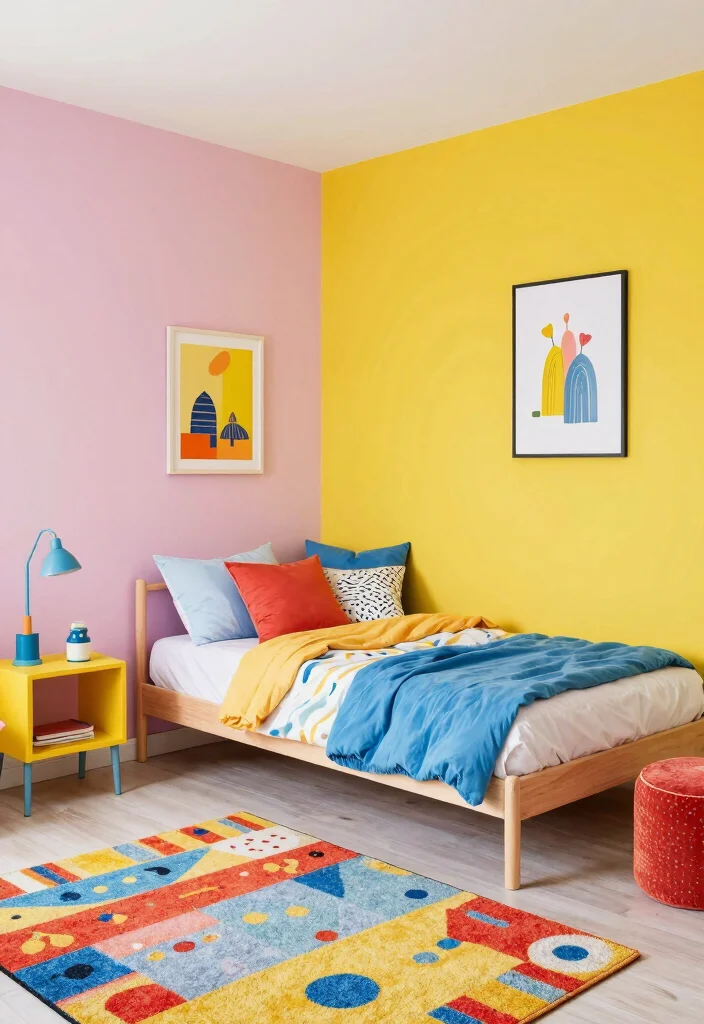
Color can dramatically influence the ambiance of a room, especially in shared kids’ bedrooms. Choose playful color schemes that energize the space or softer shades to create a calming retreat. Combining complementary colors can make the room lively and harmonious. Incorporate colorful textiles and fun accessories to enhance the decor.
Here are some exciting color palette ideas:
– Use soft pastels with bright accents for balance.
– Mix bold primary colors for a vibrant atmosphere.
– Pair earthy tones with lively accessories for a warm touch.
Strategic color placement can help demarcate areas, making the room feel organized and intentional.

KIDS CARE DESIGNED TABLE: The desktop features a dual-sided design for versatile use. One side has paper locators for paiting, while the other side is equipped with a baseplate. This not only provides children with options for reading and drawing but also allows them to play with building blocks, enhancing the fun factor
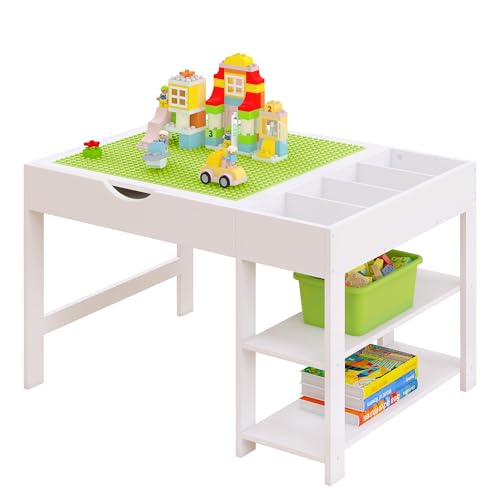
【4-in-1 Multi-Functional Activity Table】 Designed to meet a variety of children’s daily activity needs, this versatile kids table can be used as an art table, activity table, snack table, and storage organizer. With multiple functions in one, it helps keep books, toys, and everyday items neatly organized while encouraging creativity and hands-on play.

4 in 1 Desk and Chair Set: 2 in 1 Detachable Tabletop with a chalkboard on one side and a whiteboard on the other. The whiteboard is ideal for kids to read, play, draw, snack time or distance learning. On the reverse side is a chalk board where kids can create their own creations to enhance their imagination
6. Cozy Reading Nooks
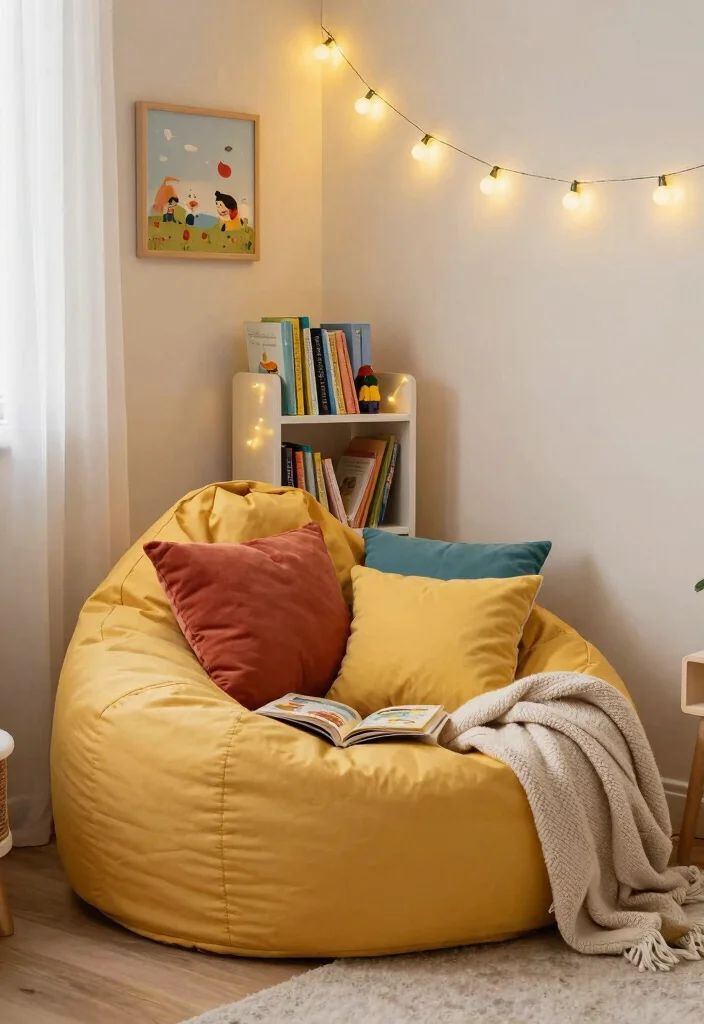
A cozy reading nook can nurture a love for books and provide a comforting escape for kids. Use a corner with a plush beanbag chair or small loveseat, surrounded by shelves filled with favorite stories. Soft lighting, like fairy lights or a small lamp, can create a warm ambiance, while a curtain can offer a sense of privacy.
Consider these elements for a reading nook:
– Surround the nook with books to inspire reading.
– Add cushions and blankets for comfort.
– Use vibrant colors in the decor to create an inviting space.
This setup encourages children to relax and enjoy their time, fostering imagination and creativity.
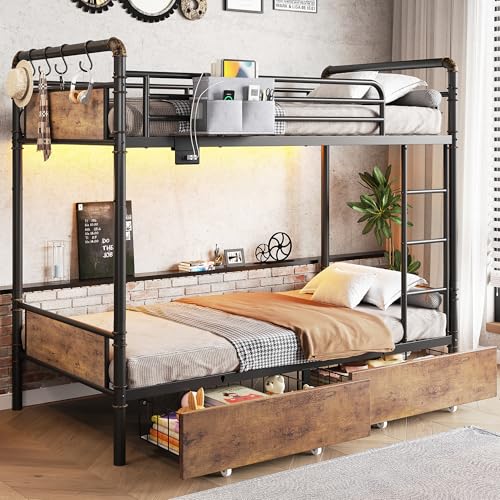
AESTHETIC APPEAL AND UTILITY: Our Bunk beds are the epitome of practicality and elegance. Constructed with 1.5-inch thick black round metal tubes featuring elegant gold accents, not only visually appealing but are also sturdy and safer for kids without sharp edges like square tubes. The headboard and footboard are crafted with rustic brown wood panels, adding a vintage industrial touch to the room. Together, these elements create a unique steampunk-inspired atmosphere, making this twin bunk bed a standout piece for kids, teens, or adults

【All-in-One Storage System with Drawers & Open Shelves】Mixcous twin over twin bunk bed with storage features a complete integrated storage unit, including 6 large-capacity fabric drawers and 2 open compartments. The drawers offer dust-proof hidden space for clothes, bedding and personal items, while open shelves keep daily essentials, toys and books within easy reach, eliminating the need for extra furniture

【Smart 3-in-1 Bunk Bed Design】Our low triple bunk bed features a clever space-saving layout: a top bunk (horizontal) + two bottom bunks (vertical) connected by a safe stairway. Ideal for small rooms, multi-kid families, or hosting friends! Note: This 3 bunk bed is a fixed unit and cannot be separated into individual beds
7. Wall-Mounted Desks
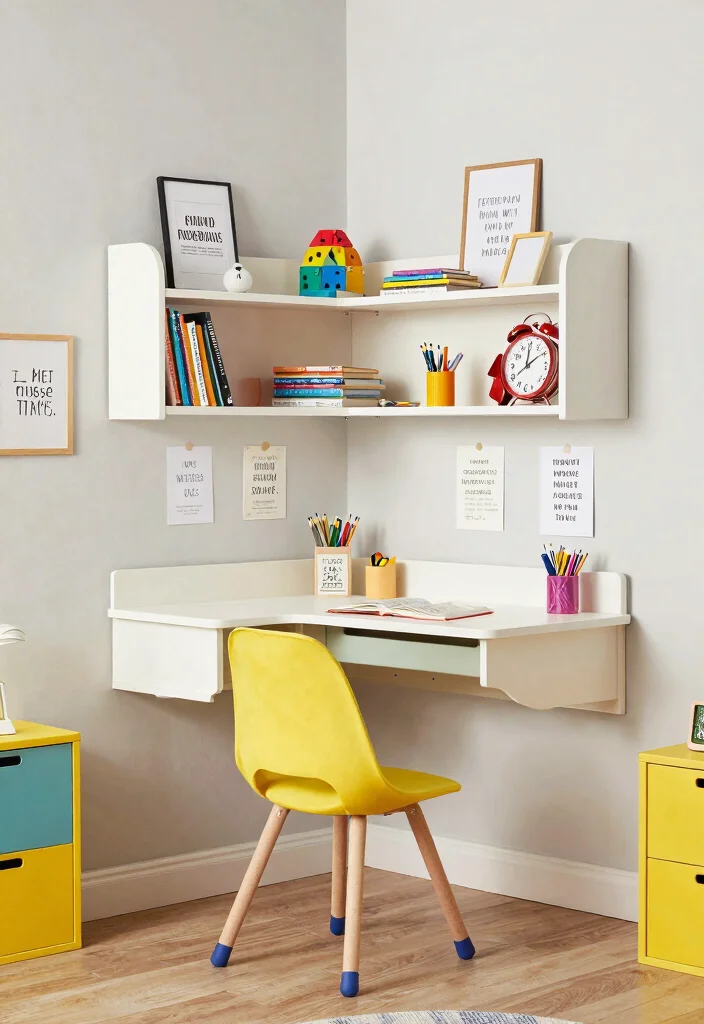
Wall-mounted desks are an excellent solution for adding study space without occupying floor area. These desks can fold down when needed, making them perfect for small rooms. Brightly colored chairs can make the study area appealing, encouraging kids to use it often. Adding shelves above can provide storage for books and supplies, keeping the workspace tidy.
Benefits of wall-mounted desks include:
– Maximizing floor space in tight areas.
– Easy installation that suits various styles.
– Personalizing the study area with decor to inspire creativity.
Transforming a corner into a study zone creates an environment conducive to learning.

[Bunk Bed Twin Over Full]: It can be used in workers' dormitories, school dormitories, or as a children's bunk bed. The space-saving design is ideal for bedrooms

Triple Bunk Bed:The bunk bed with trundle is ideal for growing family with 3 kids. Taking little space but providing you 3 sleeping area, the triple bed allowing your children to host their friends.

Triple Bunk Bed:The bunk bed with trundle is ideal for growing family with 3 kids. Taking little space but providing you 3 sleeping area, the triple bed allowing your children to host their friends.
8. Creative Use of Vertical Space
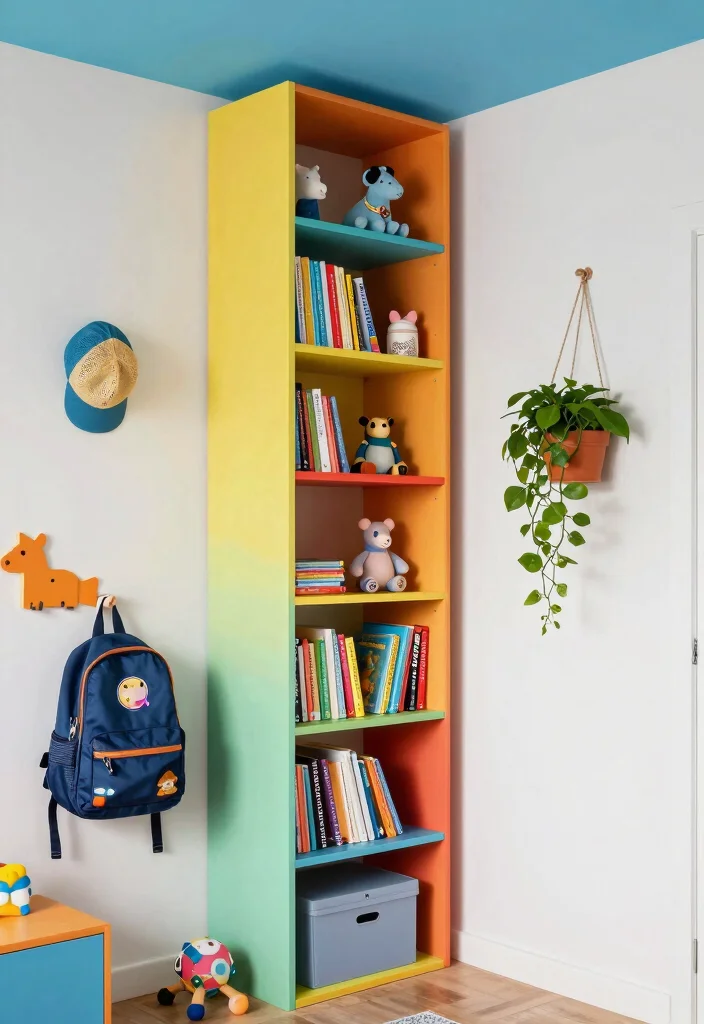
When floor space is limited, don’t forget to think vertically! Tall bookshelves, wall hooks, and hanging organizers can help you make the most of the room. Hang bikes or accessories on the walls or ceiling for playful yet functional decor. Using tall furniture can create the illusion of more space, drawing the eye up.
Explore these vertical space ideas:
– Implement floor-to-ceiling bookshelves filled with colorful books.
– Use wall hooks for backpacks or hats in fun designs.
– Hang plants or decorative elements for added charm.
Incorporating vertical elements ensures the room feels dynamic and open.

【Loft Bed with Storage Shelves】:The twin size loft bed features a storage shelf next to the upper bed, providing extra storage space. This shelf is perfect for keeping books, gadgets, or small items within easy reach. The shelf have mesh around which prevent thing falling down. It adds functionality without compromising space.

Safety Guaranteed: Our safety kids loft bed features a full-length 14” H guardrail on the top bunk, ensuring that the sleeper is protected at all times. with anti-tip devices, this loft bed offers extra stability, ensuring it remains firmly in place. NOTE:Recommended mattress thickness 4-6 inches.
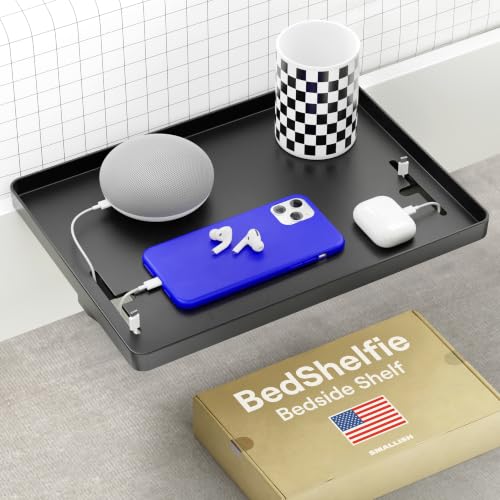
A COLLEGE DORM MUST HAVE: Our bedside shelf for bed is made of an Eco-Hard Recyclable Plastic. This CableCatch Model features a T-shaped cable catch organizer to hold multiple cables at one time, furniture grade finishes, and a 2.8" clamp. With a beautiful modern matte finish, this floating nightstand is the perfect dorm room essential for small space living.
How To Choose Space-Saving Furniture for a Small Shared Kids Bedroom
Choosing the right space-saving furniture for a small shared kids bedroom can make all the difference in functionality and charm. When selecting furniture, consider several critical factors to ensure you create a space that is both cute and practical.
1. Size Matters
Start by measuring the room and the furniture you are considering. It’s essential to choose pieces that fit well without overcrowding the space. For instance, a bunk bed might be ideal for maximizing vertical space, but make sure there’s enough room for both kids to move around comfortably. Aim for furniture that allows at least 24 inches of walking space between beds and other pieces.
2. Multi-Functional Features
Look for furniture that serves more than one purpose. A bed with storage drawers underneath can save space while keeping toys or clothes organized. Similarly, consider a foldable desk that can be stowed away when not in use. These multifunctional pieces not only save space but also help keep the room organized.
3. Material Selection
The material of the furniture plays a significant role in durability and style. Opt for sturdy materials like wood or metal that can withstand the wear and tear of kids’ activities. Additionally, lightweight materials are easier to move around, which can be helpful for changing the layout as your kids grow. Make sure the materials are also kid-friendly, avoiding sharp edges and harmful finishes.
4. Storage Solutions
In a shared kids’ bedroom, effective storage is key to maintaining order. Look for furniture with built-in storage, such as benches with hidden compartments or beds that include bookcases on the side. Wall-mounted shelves can also help utilize vertical space without taking up precious floor area. Consider baskets or colorful bins that fit under beds or in closets for easy access and tidy organization.
5. Fun and Playful Design
Choose furniture that reflects your kids’ personalities and interests. Select playful colors or themes that can make the room inviting and enjoyable. For example, a bed shaped like a car or a desk with a fun animal design can add character. Make sure that while the designs are fun, they also blend well with other elements in the room.
6. Budget Considerations
Set a budget before you start shopping. Space-saving furniture can range significantly in price, so determine how much you are willing to spend. Research shows that investing in high-quality pieces may save you money long-term, as they typically last longer and withstand more use. Look for sales or second-hand options if you want to stick to your budget without compromising on quality.
Pro Tip:
When selecting furniture, consider how the room will be used over the years. Choose timeless designs and neutral colors that can grow with your kids. This way, you won’t need to replace the furniture too soon as their tastes change.
By considering these key elements when choosing space-saving furniture, you’ll create a small shared kids bedroom that is functional, organized, and full of character. Happy decorating!

【IRIDESCENT WALL DÉCOR】When light hits the shiny shelves, they will change color from different angles and cast rainbow on the wall, providing a magic visual experience, making the entire space more fashionable and lively, whether placed in the living room, bedroom, or workspace.

【Rounded-Edge Design & Safer Storag】This kids bookshelf has smooth rounded edges, reinforced wall-mounted structure and protective beaded front rails. The sturdy design helps prevent books and small items from falling, providing safer storage in kids’ rooms, nursery and playrooms.

[Functional Kid's Shelves] - These floating nursery book shelves add both style and storage functionality to any nursery or kids' room, making them a great addition to your home decor. In addition, they can be used upside down, with hangers for children's clothing storage.
9. Fun Theme Rooms
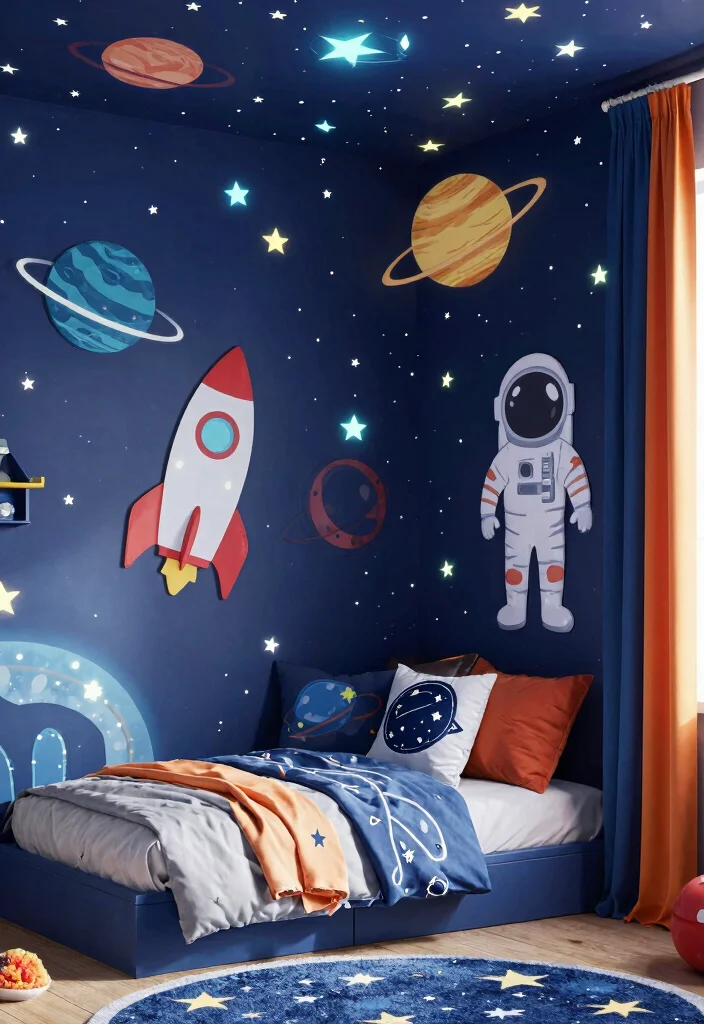
Choosing a theme for a shared kids’ bedroom can provide a cohesive feel while allowing for personal touches. Themes like space, underwater adventures, or jungle explorations inspire decor choices. Use themed bedding and wall decals, while enabling each child to add their unique elements.
Consider these fun theme ideas:
– A space-themed room with starry curtains and rocket decals.
– An underwater theme featuring blue tones and fish decorations.
– A jungle theme with animal prints and leafy accents.
A well-executed theme can spark creativity and make the room feel like an exciting adventure.
A small shared kids bedroom shines when it tells a story together. Pick a playful theme—space, jungle, or underwater—and invite each child to add personal touches, from decals to bedding. The result is a cohesive, cozy space that still feels unmistakably theirs.

Note: ①The magnetic puzzle shown in the image is for display purposes only and is not included with the product. ② The fabric cover of the lap desk cushion can be removed for washing. Once washed and dried, the included blue tool assists in easily putting the cover back in place.

SAFE MATERIALS: The toddler play table features a solid natural bamboo frame and tabletop, ensuring stability and preventing wobbling. Bamboo's inherent flexibility and strength withstand even three children standing on it without damage. Rounded edges and a sanded surface guarantee smoothness without splinters, offering peace of mind during play.

KIDS CARE DESIGNED TABLE: It is equipped with 2 slow-drop gas struts, allowing children to either sit at the table to draw or stand it up as paiting table. The slow-drop gas strut enables the tabletop to stay at various angles and facilitates easy operation. Additionally, it features a hidden paper roll design, where the paper is stored beneath the tabletop, this not only keeps the surface tidy but also prevents the paper from getting dirty
10. Mirrored Elements
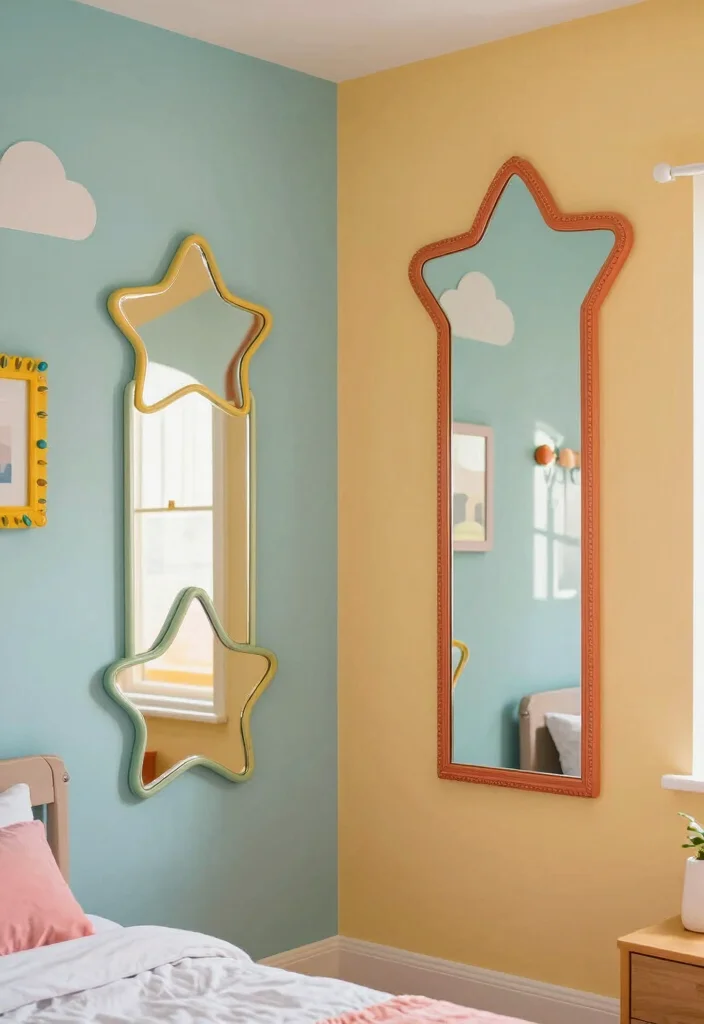
Mirrors can enhance the perception of space, making small rooms feel larger and brighter. Incorporate fun mirrors shaped like stars, clouds, or cartoon characters to resonate with children. Strategically placing mirrors can catch natural light and reflect colors, adding a playful touch to the decor.
Here’s how to use mirrors effectively:
– Opt for mirrors with colorful frames for added charm.
– Ensure they’re securely attached for safety.
– Position mirrors to enhance light sources in the room.
With thoughtful placement, mirrors can transform a shared bedroom into an airy and open space.
11. Use of Canopies
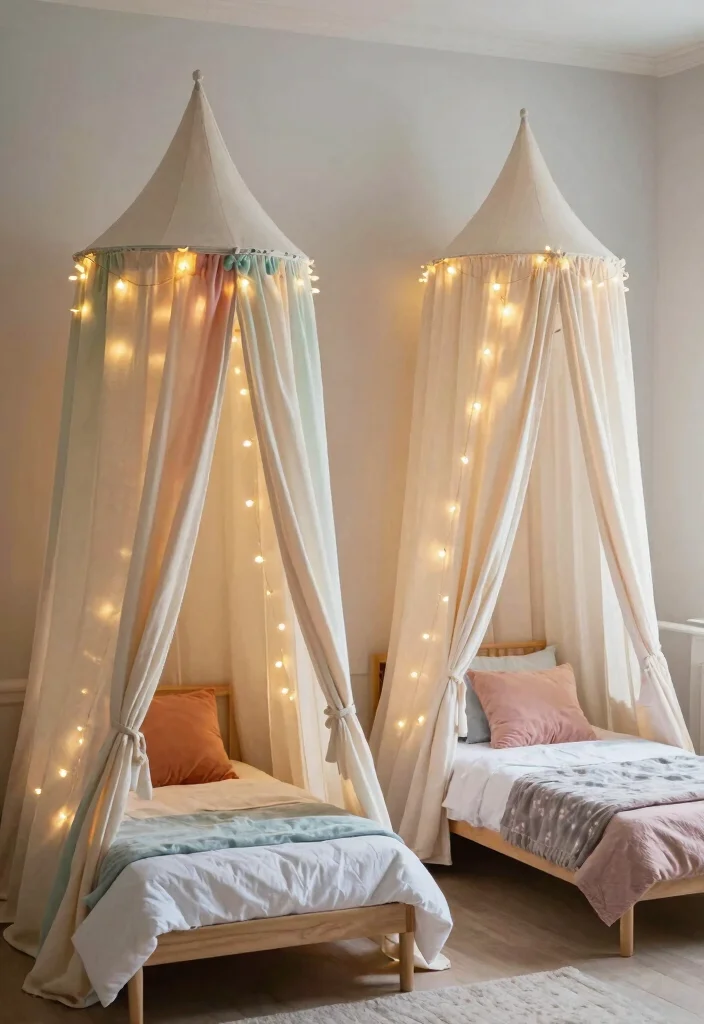
Adding canopies to beds creates a cozy atmosphere while enhancing the room’s decor. Whether featuring light, flowing fabric or a full tent-style design, canopies offer a fun retreat for kids. Choose vibrant colors or patterns that complement the overall decor for visual appeal.
For effective canopy use, consider:
– Ensuring the canopy is securely attached for safety.
– Using lightweight fabrics for easy handling.
– Incorporating twinkling lights within the canopy for a magical touch.
This whimsical addition can transform beds into inviting hideaways for reading or play.
Fun fact: Canopies can boost coziness in a small shared kids bedroom by up to 30%, while visually elevating the ceiling. Pro tip: secure the canopy safely, use lightweight fabrics, and tuck in twinkling lights for a magical, practical retreat.
12. Unique Nightstands
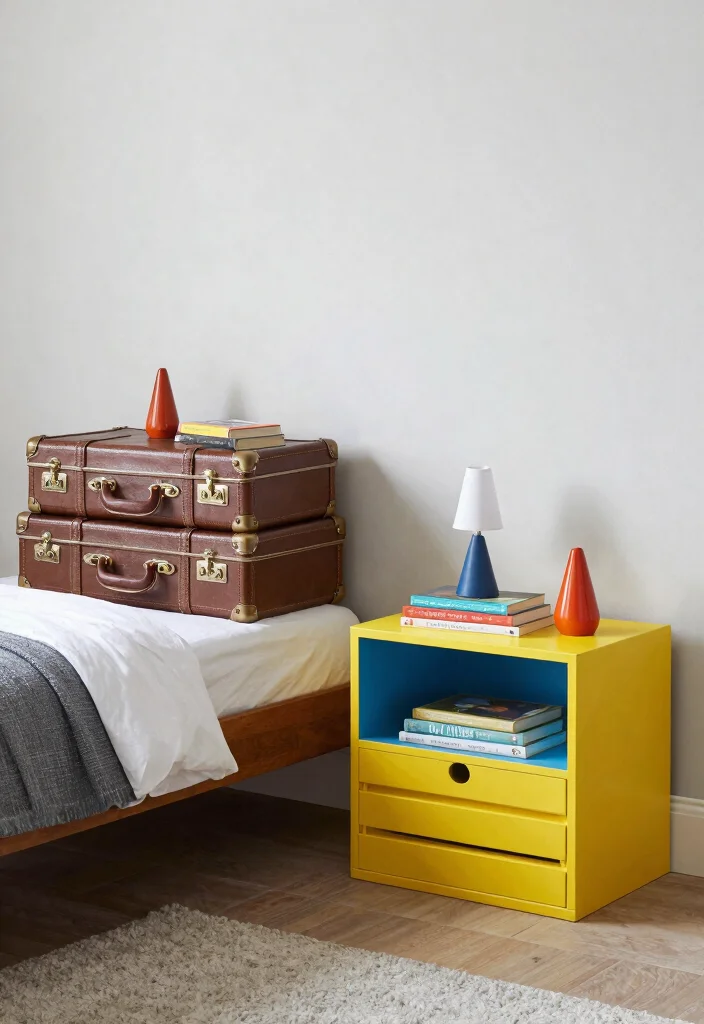
Instead of conventional nightstands, consider unique alternatives that add personality and functionality. Colorful stools, small chests, or floating shelves can serve as bedside tables, keeping the look fresh and fun. Nightstands with built-in storage minimize clutter, allowing easy access to bedtime essentials.
Here are some creative nightstand ideas:
– Stack vintage suitcases to create a bedside table.
– Use painted wooden crates for a rustic feel.
– Install a simple wall-mounted shelf with decorative elements.
These inventive nightstand options perfectly complement the room’s design, merging function with style.
13. Playful Lighting
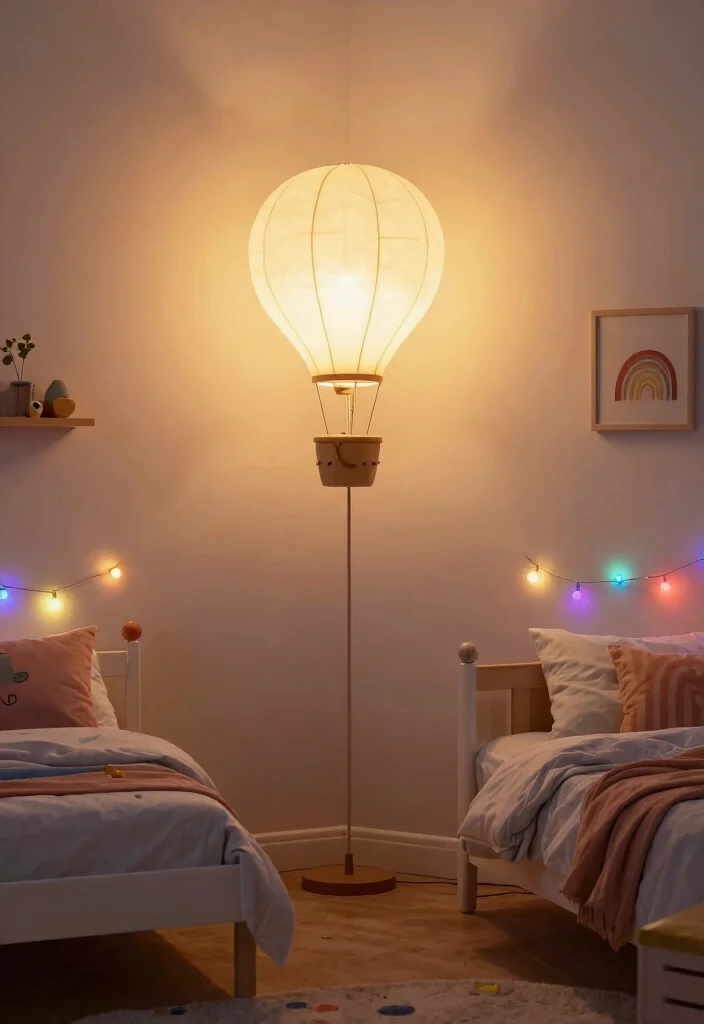
Lighting greatly influences the mood and functionality of a shared kids’ bedroom. Choose colorful, playful lighting fixtures to create a lively atmosphere. Consider whimsical lamps shaped like animals or clouds, along with string lights for a cozy glow.
Here are some ideas for playful lighting:
– A pendant light designed like a hot air balloon.
– Colorful fairy lights draped around the bed or reading nook.
– A bedside lamp with adjustable brightness for versatile use.
By incorporating creative lighting, you enhance the decor while creating a functional space that adapts to different activities.
14. Interactive Wall Decor
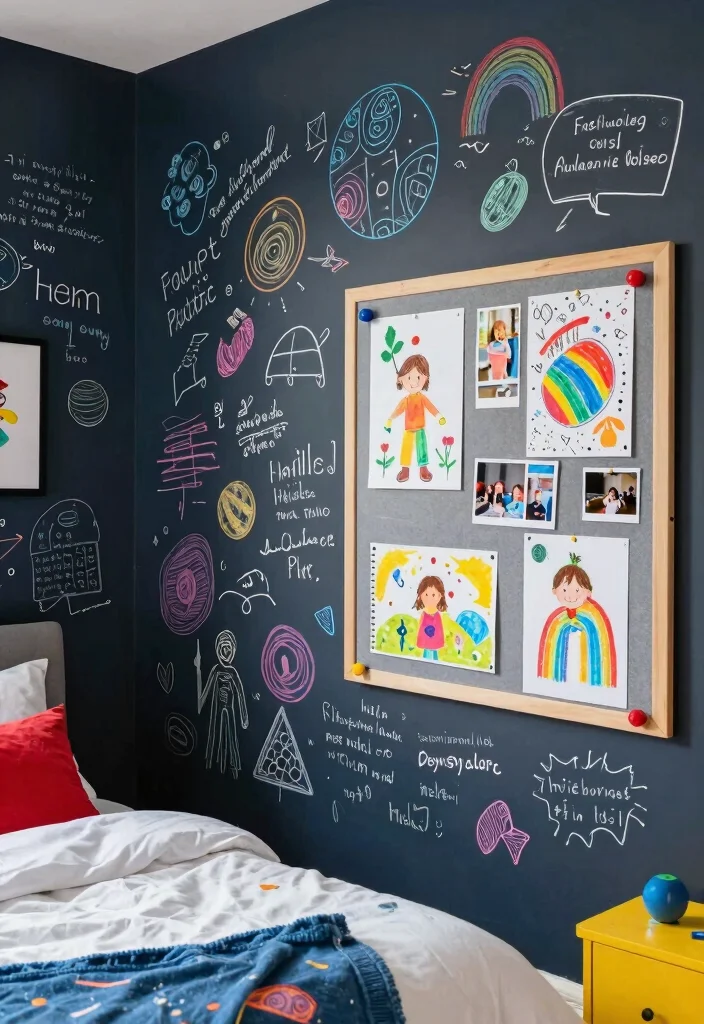
For an engaging twist, interactive wall decor invites kids to play and create while looking great. Chalkboard walls, whiteboards, or magnetic boards can serve as canvases for creativity, letting kids express themselves. Bright colors make these surfaces visually exciting, encouraging kids to engage with them.
Here are some interactive decor ideas:
– Create a large chalkboard wall for drawing and writing.
– Use magnetic paint to allow artwork display.
– Incorporate pinboards for showcasing their latest creations.
Interactive walls can transform a bedroom into a vibrant space where kids feel empowered to share their creativity.
15. Layered Textiles
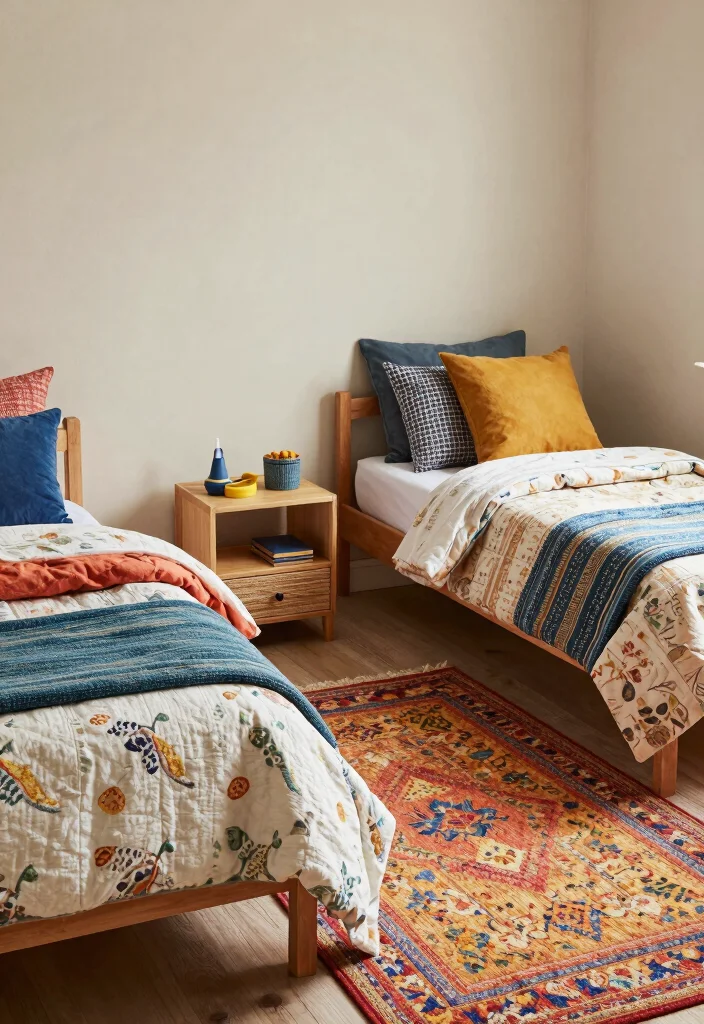
Layering textiles enriches a shared room with warmth and personality. Mix various textures, patterns, and colors in bedding, curtains, and rugs to create a cozy atmosphere. Combining soft throws, colorful pillows, and vibrant area rugs enhances visual appeal and comfort.
Here are some layering tips:
– Mix and match patterns and colors for a lively effect.
– Use rugs to define separate play or sleeping areas.
– Add soft throws and cushions for extra comfort.
This layered aesthetic creates a rich, inviting space full of character.
16. Fun Ceilings
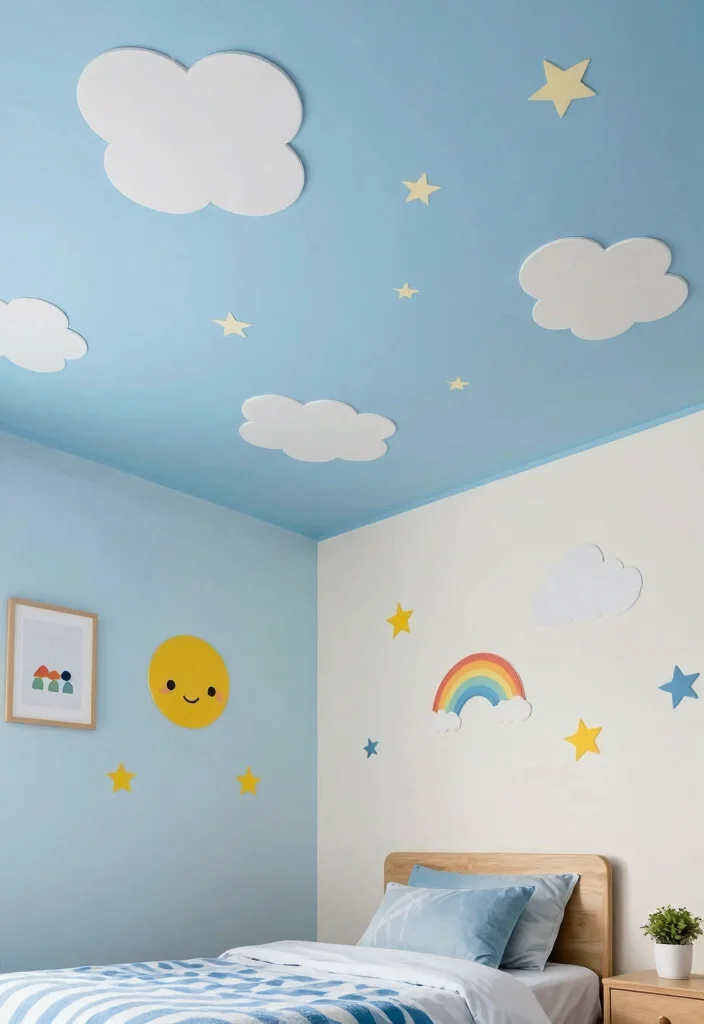
Don’t overlook the ceiling! Adding color or playful designs can significantly impact a small bedroom. Consider painting the ceiling in a bright color or using decals that echo the room’s theme. This creative touch draws the eye up, making the room feel larger and more dynamic.
Here are some ceiling design ideas:
– Paint in a bright color that complements the decor.
– Create soft clouds or twinkling stars.
– Design a mural that enhances the room’s theme.
Thoughtful ceiling designs can turn a bedroom into an enchanting space filled with charm.
17. Collaboration Spaces
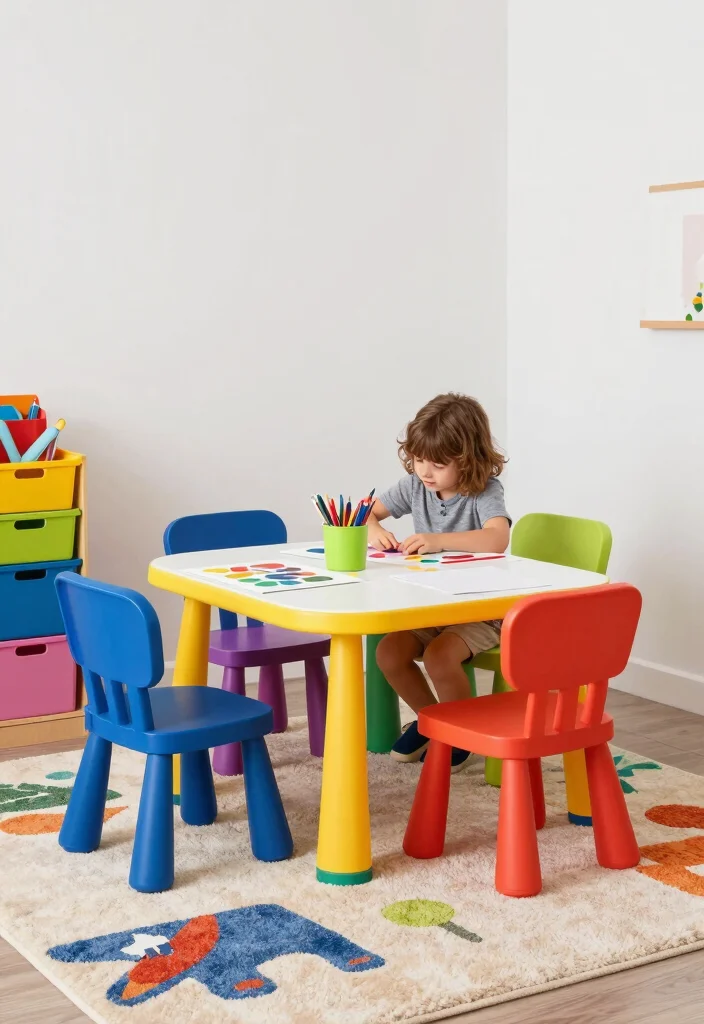
Creating a collaboration space fosters strong sibling bonds through play and creativity. Designate a corner with a shared table for arts and crafts, games, or homework. This setup encourages interaction and teamwork in a comfortable environment. Colorful storage units can hold supplies, keeping the area organized.
To ensure a successful collaboration space:
– Provide enough room for both kids to work comfortably.
– Choose bright decor to make it inviting.
– Incorporate a large, colorful rug to define the area.
A dedicated collaboration space makes sharing the room an enjoyable experience, transforming it into a creative playground.
Conclusion
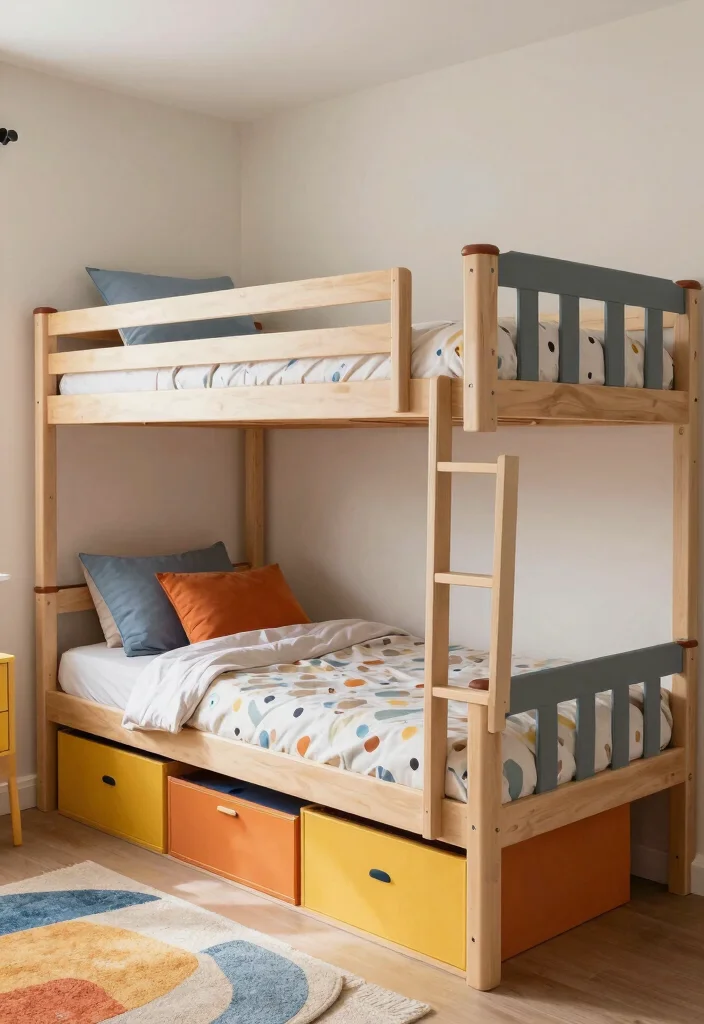
Creating a small shared kids bedroom that is both functional and cute can be a fulfilling project for any parent. By incorporating clever design elements and playful decor, it’s possible to balance each child’s unique tastes while maximizing limited space.
From bunk beds to creative storage solutions, these ideas offer inspiration for designing a cozy environment that sparks imagination and fosters sibling connection.
With a little planning and creativity, you can turn any small shared bedroom into a delightful haven that your kids will cherish for years to come.
Frequently Asked Questions
What are the best space-saving furniture ideas for a small shared kids bedroom?
For a small shared kids bedroom, start with space-saving furniture that maximizes floor space and keeps play areas intact. Look for bunk beds or loft beds with built-in desks and drawers, wall-mounted shelves, and under-bed storage with clear bins. A trundle under the lower bed can expand sleep options without clutter. Opt for a compact dresser or a modular cubby system that doubles as a nightstand or seating. Color and finish consistency helps the room feel larger while container storage keeps essentials organized.
Emphasize space-saving furniture that suits small shared kids bedroom needs, while still supporting kids bedroom design goals.
How can I implement shared room organization in a tiny space without cutting into playtime?
Start by designating zones: sleeping, study, and play. Use tall, slim storage units and wall-mounted organizers to keep floors clear. Color-code bins and label boxes so kids can do quick cleanups. Choose furniture with built-in storage, like a bench with storage or a bed with drawers. Rotate toys to keep what’s out useful but not overwhelming, and schedule a 5-minute daily reset to maintain order.
A well-planned approach supports shared room organization while preserving space for imaginative play in a truly small shared kids bedroom.
Which playful color schemes work best for a small shared kids bedroom?
Choose 2-3 core colors plus neutrals to keep the room cohesive. Soft neutrals on walls with bright accents (like coral, teal, or lime) create energy without visual clutter. Consider color-coding zones (e.g., blue for sleep, yellow for study) and using patterns in bedding or rugs to add whimsy. Use playful color schemes to fuel creativity while staying practical for long-term kids bedroom design.
What multifunctional decor pieces can make a small shared kids bedroom feel bigger?
Look for decor that serves more than one purpose: wall-mounted fold-down desks, bed frames with built-in storage, mirror panels to reflect light, fabric organizers that hang from closet doors, and seating ottomans that open for toy storage. A compact bunk or loft bed with a desk underneath creates a sense of vertical space. Use light-colored or reflective finishes to brighten the room and maintain openness.
These multifunctional decor choices save space in your small shared kids bedroom while keeping the room cute and practical.
How can you design a kids bedroom design that grows with them in a small shared kids bedroom?
Plan for flexibility: choose adjustable furniture, modular storage, and neutral foundations that can adapt to changing needs. Pick a simple structural layout you can reconfigure as siblings grow, swap out textiles or wall art instead of huge overhauls, and invest in durable, timeless pieces that withstand years of use. Incorporate hidden storage to reduce clutter and make room for new toys, books, and activities. This approach keeps your small shared kids bedroom relevant and functional as kids evolve, meeting both space-saving furniture and kids bedroom design goals.
Related Topics
small shared kids bedroom
space-saving furniture
kids bedroom design
shared room organization
multifunctional decor
playful color schemes
compact living
children's decor
creative storage solutions
easy updates
functional design
budget friendly